




Best DIY steps to safely preserve excess garden tomatoes for winter meals?
Introduction: Saving Your Summer Tomato Bounty
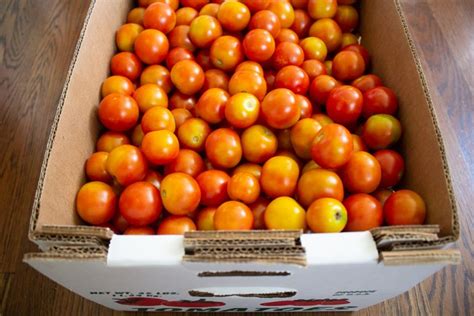
As summer draws to a close, many home gardeners find themselves with an abundance of ripe, delicious tomatoes. While fresh tomatoes are a culinary delight, having too many means finding creative ways to store their goodness for the colder months. Preserving your homegrown tomatoes is a rewarding DIY project that ensures you’ll enjoy that authentic garden flavor in sauces, soups, and stews all winter long. This guide will walk you through the best and safest methods to do just that.
Essential Safety First: Key to Successful Preservation
Before diving into specific methods, it’s crucial to understand the importance of food safety. Improper preservation can lead to spoilage or even foodborne illness. Always use clean, sterilized equipment, fresh, unblemished tomatoes, and follow tested recipes precisely. For canning, proper acidity levels are paramount to prevent botulism, so often a touch of lemon juice or citric acid is required for tomatoes.
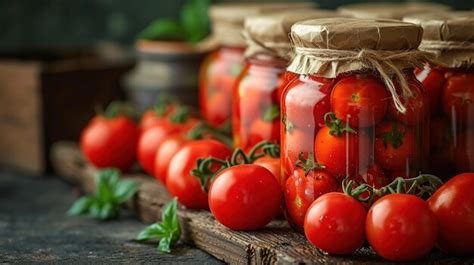
Method 1: Water Bath Canning Whole or Diced Tomatoes
Canning is a classic method that allows shelf-stable storage of tomatoes. It’s excellent for whole, diced, or crushed tomatoes and provides a foundation for countless winter dishes.
Step-by-Step Canning
- Preparation: Wash tomatoes thoroughly. For whole or diced, score the bottom, blanch in boiling water for 30-60 seconds, then plunge into ice water. Peel the skin, remove the core, and either leave whole or dice.
- Acidity Adjustment: Add 1 tablespoon of bottled lemon juice or 1/4 teaspoon of citric acid per pint jar, or 2 tablespoons lemon juice/1/2 teaspoon citric acid per quart jar. This is critical for safety.
- Packing Jars: Pack tomatoes tightly into hot, sterilized canning jars, leaving 1/2-inch headspace. You can add hot water or tomato juice to cover, maintaining headspace.
- Venting and Sealing: Remove air bubbles, wipe jar rims clean, and place hot lids and bands, tightening fingertip-tight.
- Processing: Place jars on a rack in a large pot (canner) filled with simmering water. Ensure water covers jars by at least 1-2 inches. Bring to a rolling boil and process pint jars for 35 minutes and quart jars for 45 minutes, adjusting for altitude.
- Cooling and Storing: Carefully remove jars and let them cool undisturbed on a towel for 12-24 hours. Check seals; if a lid doesn’t seal, refrigerate and use promptly. Store sealed jars in a cool, dark place.
Method 2: Freezing Tomatoes for Convenience
Freezing is arguably the easiest method and preserves the fresh flavor of tomatoes incredibly well, though the texture changes, making them best for cooking. They’re perfect for sauces, soups, and stews.
Step-by-Step Freezing
- Washing & Coring: Wash tomatoes and remove the core. There’s no need to peel or blanch if you’re going to cook them later, as the skins slip off easily after thawing.
- Whole Freezing (Optional): For whole tomatoes, place them in a single layer on a baking sheet lined with parchment paper. Freeze until solid (a few hours). This prevents them from sticking together.
- Packaging: Transfer frozen whole tomatoes to freezer-safe bags or containers. If you’re not pre-freezing whole, you can also chop or crush tomatoes directly into bags.
- Removing Air: Remove as much air as possible from bags to prevent freezer burn.
- Labeling & Storing: Label with the date and contents. Store in the freezer for up to 12 months.

Method 3: Sun-Drying or Oven-Drying Tomatoes
Dried tomatoes offer an intense, concentrated flavor that’s fantastic in salads, pasta dishes, and as a snack. While sun-drying is traditional, an oven or dehydrator provides more consistent results.
How to Dry Tomatoes
- Preparation: Wash and slice firm, ripe tomatoes (Roma or paste tomatoes work best) into 1/4-inch thick slices or halves. Remove seeds if desired.
- Arrangement: Arrange slices in a single layer on dehydrator trays or oven racks (lined with parchment paper if using an oven).
- Drying Process:
- Dehydrator: Set to 135°F (57°C) and dry for 8-12 hours, or until pliable and leathery, not brittle.
- Oven: Set to the lowest temperature (around 150-200°F or 65-93°C) and prop the door open slightly to allow moisture to escape. Dry for 6-12 hours, checking frequently.
- Sun-Drying: Requires several days of hot, dry, sunny weather. Place tomatoes on screens elevated off the ground and cover with cheesecloth. Bring indoors at night.
- Storage: Once completely dry, cool completely. Store in airtight containers in a cool, dark place for several months, or freeze for longer storage. You can also pack them in olive oil with herbs, but keep these refrigerated.

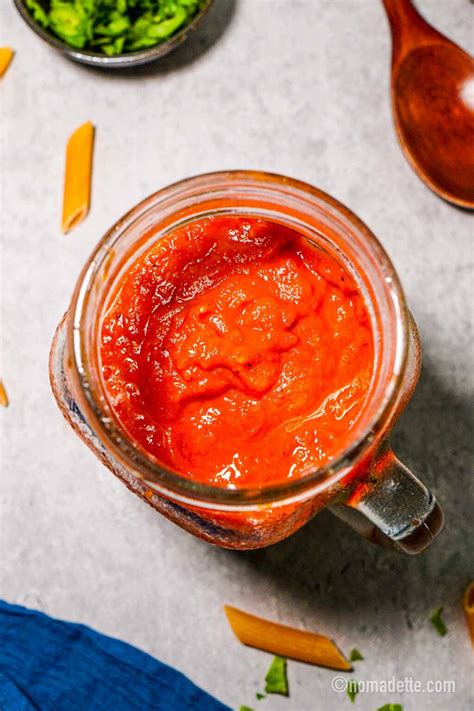
Method 4: Making and Freezing Tomato Sauce/Paste
Transforming your tomatoes into a ready-to-use sauce or paste is a fantastic way to save time later. This method allows you to infuse flavors right from the start.
Sauce Making Steps
- Roasting/Cooking: Halve or quarter tomatoes and roast them in the oven until softened and slightly caramelized, or simmer them in a large pot until tender.
- Processing: Run cooked tomatoes through a food mill or blend them to your desired consistency. For paste, continue to simmer the purée until significantly reduced and thickened.
- Seasoning: Add desired seasonings like garlic, onions, basil, oregano, salt, and pepper. For sauce, simmer to blend flavors.
- Cooling & Packaging: Allow the sauce or paste to cool completely. Ladle into freezer-safe containers, leaving headspace for expansion.
- Freezing: Freeze for up to a year. For convenience, freeze in smaller portions or even ice cube trays for quick additions to recipes.
General Tips for Successful Preservation
- Use Ripe, Firm Tomatoes: Select tomatoes that are perfectly ripe, firm, and free from blemishes for the best flavor and quality.
- Work in Batches: Don’t try to preserve everything at once. Small, manageable batches ensure you maintain quality and safety.
- Label Everything: Clearly label all preserved items with the date and contents. This prevents guessing and ensures you use older items first.
- Invest in Good Equipment: A quality canner, freezer-safe containers, or a dehydrator can make the process much smoother and more efficient.
- Consult Reliable Sources: For canning, always refer to updated guidelines from reputable sources like the National Center for Home Food Preservation for precise processing times and safety protocols.
Enjoying Your Preserved Bounty
Preserving your garden’s excess tomatoes is a labor of love that truly pays off during the lean winter months. Imagine a rich marinara sauce, a hearty tomato soup, or a vibrant chili, all made with the sun-kissed flavor of your own homegrown tomatoes. By following these DIY steps, you can safely and effectively capture the essence of summer, ensuring delicious, healthy meals long after the last frost.