


Best DIY ways to predator-proof a chicken coop?

Building an Impenetrable Fortress for Your Flock
For anyone raising chickens, the safety and security of your flock are paramount. Predators, from crafty raccoons and sly foxes to aerial hawks and burrowing weasels, pose a constant threat. While professional solutions exist, many effective ways to predator-proof your chicken coop can be achieved with DIY ingenuity, common materials, and a bit of elbow grease. Here’s how to turn your coop into a safe haven.
Understanding Your Adversaries
Before you begin fortifying, it helps to know who you’re up against. Foxes and coyotes are diggers and chewers. Raccoons are incredibly dexterous and can open latches. Weasels and rats can squeeze through tiny gaps. Hawks and owls attack from above, while opossums and skunks might climb or pry. Each requires a specific defense strategy.
Fortifying the Coop Structure Itself
1. The Right Material: Hardware Cloth is Key
Forget flimsy chicken wire for security. Its large openings allow smaller predators like weasels and rats through, and larger ones can easily tear or chew it. Instead, invest in 1/2-inch galvanized hardware cloth. This sturdy wire mesh is much more robust and should be used to cover all windows, vents, and any other openings. Secure it firmly with heavy-duty staples or screws with washers.

2. Seal All Gaps and Cracks
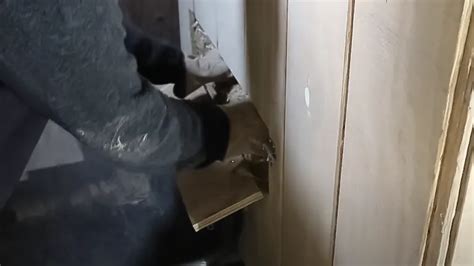
Walk around your coop, inspecting every inch. Even a small hole the size of a quarter can be an invitation for a determined weasel or rat. Use caulk, wood filler, or small pieces of hardware cloth to seal any gaps, cracks, or loose boards, especially around doors and windows. Ensure the roof is solid and free of holes.
3. Secure Doors and Latches
Raccoons are notorious for their ability to manipulate simple latches. Upgrade all coop doors with sturdy, predator-proof locks. Spring-loaded carabiners, barrel bolts that require two actions to open, or even padlocks are good choices. For an extra layer of defense, consider adding a secondary latch or a chain.
Securing the Chicken Run
1. Bury a Wire Apron (Anti-Digging Barrier)
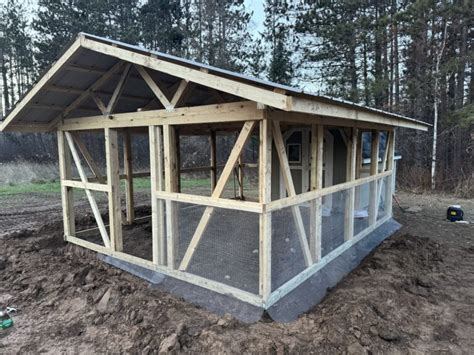
Many ground predators are diggers. To deter them, extend your hardware cloth or sturdy fencing outward from the base of your run, burying it at least 12-18 inches deep and curving it outwards into an ‘L’ shape. This creates a horizontal barrier underground that predators hit when they try to dig, often discouraging them. For less digging, you can also lay hardware cloth flat on the ground for 12-18 inches around the perimeter, securing it with stakes and covering it with dirt or landscaping fabric.
2. Overhead Protection
Hawks and owls are formidable aerial predators. The simplest DIY solution for overhead protection is to cover the entire run with hardware cloth or strong netting. For larger runs, run wires or cables across the top to support the netting and prevent sagging, which could create weak points. This also helps deter climbing predators like raccoons.
3. Proper Fence Height and Material
Ensure your run fence is tall enough – at least six feet is often recommended – to deter climbers and jumpers. As with the coop itself, use sturdy wire mesh, not chicken wire. The fence should be taut and well-maintained, with no sagging spots that could be exploited.
DIY Deterrents and Automation
1. Motion-Activated Lights or Sprinklers
Sudden bursts of light or water can startle and scare away nocturnal predators. Install inexpensive motion-activated lights around the coop and run. Some chicken keepers also use motion-activated sprinklers, which can be highly effective.

2. Automatic Coop Doors
One of the easiest ways to protect your flock overnight is an automatic coop door. These doors open at dawn and close at dusk, ensuring your chickens are safely tucked away even if you’re delayed. While a bit more of an investment, they offer significant peace of mind and are a great DIY install project.
3. Electric Fencing Perimeter
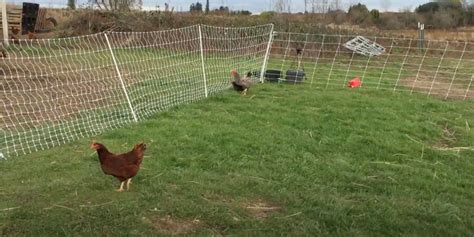
For persistent ground predators, a low-voltage electric fence installed around the perimeter of your run can be a powerful deterrent. It doesn’t need to be high; a couple of strands at nose-level for ground predators can teach them to stay away. Ensure you use a dedicated fence energizer and proper grounding.
Ongoing Vigilance and Maintenance
Predator-proofing is not a one-time task. Regularly inspect your coop and run for any signs of wear and tear, loose wires, or new dig attempts. Keep the area around the coop clear of tall grass and debris that could provide cover for predators. Store feed in sealed, predator-proof containers away from the coop, as spilled feed can attract rodents and, subsequently, their predators.
Conclusion
By implementing these DIY predator-proofing strategies, you can significantly enhance the safety of your chicken coop and run. A secure environment not only protects your precious flock but also brings peace of mind, allowing you to enjoy the rewards of raising happy, healthy chickens without constant worry.