



Best DIY winter chicken coop upgrades for cold climates on a budget?

Keeping Your Flock Cozy on a Dime: Essential Winter Coop Upgrades
As winter’s chill descends, ensuring your chicken coop is prepared for cold climates becomes a top priority for any backyard poultry keeper. While fancy heated coops exist, you don’t need a hefty budget to provide a safe, warm, and comfortable environment for your flock. With a bit of ingenuity and some common materials, you can implement effective DIY upgrades that will make a world of difference when temperatures drop.
1. Seal Out Drafts and Maximize Insulation
Drafts are a chicken’s worst enemy in winter, not cold air itself. Focus on sealing any cracks, gaps, or holes in your coop walls, floor, and roof. Use caulk for small openings, scrap wood or plywood for larger ones, or even old towels and blankets stuffed into crevices. For budget-friendly insulation, consider lining walls with cardboard, repurposed Styrofoam packing materials, or even old blankets and quilts. Straw bales stacked around the base of the coop can provide excellent external insulation and block wind.
Remember to check around windows and doors, as these are common culprits for drafts. A simple strip of weather stripping can make a huge difference. Don’t forget the floor; if your coop is elevated, consider adding a ‘skirt’ around the base to prevent cold winds from sweeping underneath, which can make the floor excessively cold.
2. Prioritize Smart Ventilation, Not Just Warmth
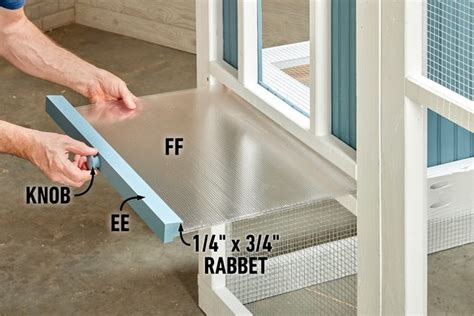
While it might seem counterintuitive to allow air movement in winter, proper ventilation is crucial for your flock’s health. Stale, moist air laden with ammonia from droppings can lead to respiratory problems and frostbite. The key is to have high vents that allow moisture and ammonia to escape without creating direct drafts on your chickens. Look for vents near the roofline, above roosting bars, ensuring they are covered with hardware cloth to deter predators.
You can create simple baffled vents using scrap wood or plastic containers, designed to let air flow out but prevent wind and rain from blowing directly in. Avoid sealing your coop completely; fresh air exchange is vital.
3. Ingenious Solutions for Non-Freezing Water
Keeping water from freezing is one of the biggest winter challenges. Here are a few budget DIY ideas:
- Dark-Colored Containers: Place dark-colored waterers in a sunny spot to absorb heat.
- Insulated Waterers: Wrap your waterer with old blankets, bubble wrap, or place it inside a larger container filled with straw or sawdust for insulation.
- Tennis Ball Trick: A few tennis balls floating in the water can slightly delay freezing by moving with the water.
- DIY Heated Base: For a more advanced but still budget-friendly option, consider placing your metal waterer on a concrete paver that’s warmed by a single incandescent light bulb (enclosed safely in a metal cage) underneath. Ensure no fire hazards!
Also, ensure your chickens have access to high-energy feed during winter, like cracked corn, to help them generate internal body heat.
4. Upgrade Roosts and Embrace the Deep Litter Method
Chickens keep their feet warm by tucking them under their feathered bodies. Provide wider, flat roosts (at least 2x4s with the wider side up) to allow them to do this comfortably, preventing frostbite on their toes. Avoid thin dowel rods.
The deep litter method is a fantastic, budget-friendly way to generate natural heat and manage waste. Start with a layer of carbon-rich material (straw, wood shavings). As droppings accumulate, add more bedding. The composting process within the litter generates a small amount of heat and breaks down waste, reducing odors. Just remember to turn the litter occasionally and add fresh layers as needed, ensuring it stays dry and loose, not compacted or wet.

5. Additional Protection and Safety Measures
- Windbreaks: If your coop is exposed, erect simple windbreaks using old tarps, pallets, or plywood to shield it from prevailing winds.
- Predator Proofing: Don’t let winter lull you into a false sense of security. Hungry predators are even more active in winter, so ensure all openings are secure with hardware cloth.
- Emergency Heat (Use with Caution): Generally, chickens are quite hardy. Supplemental heat is usually only necessary in extreme, prolonged cold snaps, for very young, old, or sick birds, or specific breeds not suited for cold. If you must use heat, opt for a ceramic heat emitter (no light, less fire risk than heat lamps) hung securely, well away from flammable materials. Always have a fire extinguisher nearby.

By implementing these budget-friendly DIY upgrades, you can create a resilient and comfortable winter haven for your chickens, ensuring they remain happy and healthy even when the snow flies. A little proactive effort now will save you stress and potential problems later in the season.

