Best DIY wood treatment for rot-proofing raised garden beds without chemicals?

Why Chemical-Free Rot-Proofing Matters for Your Garden
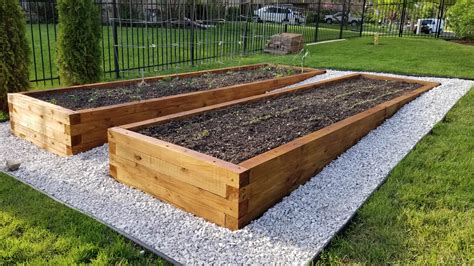
Raised garden beds are a fantastic way to cultivate your favorite vegetables, herbs, and flowers, offering better drainage and easier access. However, the wood used in these beds is constantly exposed to moisture, soil, and organic matter, making it highly susceptible to rot. While many commercial wood treatments exist, gardeners growing edibles often seek chemical-free alternatives to ensure the safety and organic integrity of their produce.
Protecting your investment without introducing harmful chemicals into your soil is achievable with a combination of smart wood choices and natural treatment methods. This guide explores the best DIY strategies to keep your raised garden beds sturdy and rot-free for years to come.
Understanding Wood Rot and Its Causes
Wood rot is primarily caused by fungi that thrive in moist conditions, breaking down wood fibers. Direct contact with soil, poor drainage, and constant dampness accelerate this process. To effectively rot-proof wood without chemicals, we need to either make the wood inhospitable to these fungi or create barriers against moisture.
Natural Oil Treatments: Penetrating Protection
Natural oils can penetrate wood fibers, creating a water-repellent barrier while allowing the wood to breathe. They are safe for use around food-producing plants once cured.
1. Boiled Linseed Oil (BLO)
- How it works: Derived from flax seeds, BLO penetrates the wood, hardens upon drying, and forms a protective, water-resistant seal. Ensure you use pure BLO, not products with added metallic dryers, if absolute chemical-free status is critical.
- Application: Apply several thin coats to all surfaces of the wood, especially those in contact with soil. Allow each coat to fully dry (can take 24-48 hours, or longer) before applying the next. Wipe off any excess oil after about 30 minutes to prevent a sticky residue.
- Benefits: Affordable, provides good protection, enhances wood grain.
- Considerations: Requires reapplication every 1-2 years. Rags soaked in BLO can spontaneously combust; always lay them flat to dry outdoors or soak in water before disposal.
2. Pure Tung Oil
- How it works: Extracted from the nuts of the tung tree, this oil offers excellent water resistance and a durable finish. It penetrates deeply and creates a flexible, food-safe seal.
- Application: Similar to BLO, apply multiple thin coats. Tung oil typically takes longer to cure than BLO.
- Benefits: Highly water-resistant, durable, naturally food-safe, offers a matte finish.
- Considerations: More expensive than BLO, slower drying time.

The Ancient Technique: Shou Sugi Ban (Charring Wood)
Shou Sugi Ban, or yakisugi, is a traditional Japanese method of preserving wood by charring its surface. This technique creates a carbon layer that is highly resistant to rot, insects, and even fire.
- How it works: The controlled burning process creates a durable, weather-resistant carbonized layer. This layer makes the wood naturally waterproof and unappealing to pests and fungi.
- Application: Carefully burn the wood surface with a propane torch until the desired level of charring is achieved. For raised beds, a medium char is often sufficient. Brush off the loose soot with a wire brush, then rinse and let dry. Optionally, finish with a natural oil like BLO or tung oil for added protection and aesthetics.
- Benefits: Extremely durable, long-lasting, chemical-free, aesthetically unique.
- Considerations: Requires careful use of fire and safety precautions. Can be time-consuming for large beds.

Physical Barriers and Drainage Solutions
Preventing direct wood-to-soil contact and ensuring good drainage are crucial for rot prevention.
1. Plastic Liners
- How it works: A food-grade plastic liner (e.g., pond liner, heavy-duty construction plastic) can be stapled to the inside walls of your raised bed. Crucially, do not line the bottom; this will trap water. Staple the liner so it doesn’t quite reach the top edge of the wood, allowing moisture to evaporate from the soil surface and preventing water from getting trapped between the liner and the wood.
- Benefits: Creates an effective barrier against soil moisture, extending wood life significantly.
- Considerations: Choose food-grade plastic or ensure it’s not exposed to UV light to prevent degradation and potential chemical leaching. Leave gaps at the bottom for drainage.
2. Gravel Base and Stand-Offs
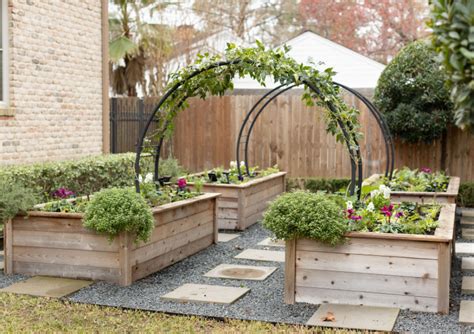
- How it works: Place a layer of gravel beneath your raised bed to improve drainage and lift the wood off directly damp ground. For even better results, consider placing the entire bed on rot-resistant feet or concrete pavers to allow air circulation underneath.
- Benefits: Reduces constant moisture contact, promotes air circulation.
- Considerations: Adds to construction complexity; ensure the bed is level and stable.
Choosing Naturally Rot-Resistant Wood
The best defense against rot starts with your choice of material. Some wood species naturally contain compounds that deter fungi and insects.
- Cedar: Known for its aromatic oils, cedar is naturally resistant to rot and insects. Western Red Cedar is a popular choice for raised beds.
- Redwood: Similar to cedar, redwood boasts excellent natural resistance to decay and pests, though it can be more expensive and less sustainable depending on the source.
- Black Locust: Often considered one of the most rot-resistant native hardwoods, black locust is incredibly durable, lasting decades even in ground contact. It’s a more sustainable and incredibly robust option if available.
- White Oak / Osage Orange: Other durable options, though harder to work with and often pricier.

Combining Strategies for Ultimate Durability
The most effective chemical-free rot-proofing involves a multi-faceted approach:
- Start with the Right Wood: Opt for naturally rot-resistant species like cedar or black locust.
- Apply a Natural Oil Treatment: Coat all surfaces, especially cuts and ends, with multiple layers of pure boiled linseed oil or tung oil.
- Implement Physical Barriers: Use a food-grade plastic liner on the inside walls, ensuring good drainage at the bottom. Consider placing the bed on gravel or pavers.
- Ensure Good Drainage: Never line the bottom of the bed. Ensure your garden soil mix drains well.
- Regular Maintenance: Reapply oil treatments every 1-2 years, or as needed, to maintain protection.
By thoughtfully applying these DIY, chemical-free strategies, you can significantly extend the life of your raised garden beds, ensuring they remain a productive and safe haven for your organic produce for many seasons to come. Your efforts will be rewarded with healthy plants and the peace of mind that comes from a truly sustainable garden.