Best homemade compost for bountiful veggie harvests?

Unlocking Garden Potential with Homemade Compost
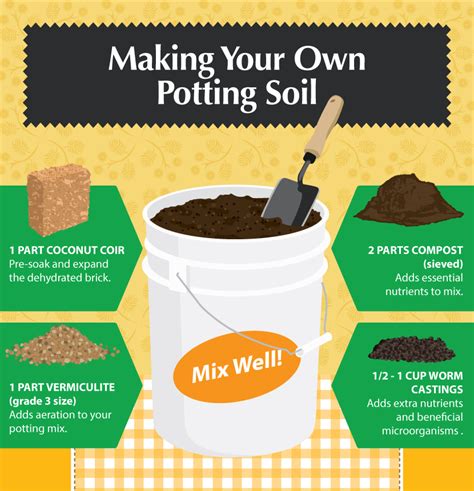
Homemade compost is often called “black gold” by gardeners, and for good reason. It’s an organic powerhouse, transforming kitchen scraps and yard waste into a nutrient-rich soil amendment that dramatically boosts plant health and yields. For anyone dreaming of a vibrant, productive vegetable garden, mastering the art of composting is perhaps the single most impactful skill you can develop. It improves soil structure, enhances water retention, suppresses plant diseases, and provides a slow-release source of essential nutrients, all without the need for synthetic fertilizers.
The Essential Ingredients: Greens and Browns
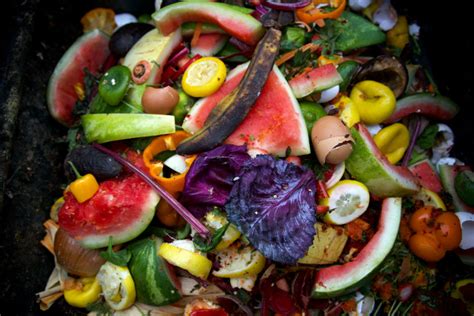
The foundation of excellent compost lies in a balanced mix of “greens” and “browns.” Greens are nitrogen-rich materials that provide the fuel for microbial activity. Think fresh grass clippings, fruit and vegetable scraps, coffee grounds, and even old plant trimmings. Browns, on the other hand, are carbon-rich materials that provide bulk and aeration. This category includes dried leaves, straw, wood chips, shredded newspaper, and cardboard. A general rule of thumb is to aim for a 2:1 or 3:1 ratio of browns to greens by volume, ensuring a healthy balance for optimal decomposition.
There are various ways to set up a composting system, each with its own advantages. Simple open piles work well for larger yards with plenty of space, allowing for easy turning. Enclosed compost bins, often made from wire mesh, pallets, or plastic, keep the pile tidy and can deter pests. For those looking for faster results or with limited space, compost tumblers are an excellent option. These sealed barrels are designed to be spun, aerating the pile effortlessly and speeding up decomposition. Whatever method you choose, ensure it’s accessible for regular maintenance and large enough to accommodate your organic waste.
Nurturing the Process: Air, Water, and Heat
Successful composting relies on a few key environmental factors. Aeration is crucial; without oxygen, the pile can become anaerobic, leading to foul odors and slow decomposition. Regular turning – ideally once a week or every few days for an active pile – introduces oxygen and mixes the materials, ensuring even breakdown. Moisture is equally important; the pile should feel like a wrung-out sponge – damp, but not soggy. Too dry, and decomposition slows to a crawl; too wet, and it can become anaerobic. Finally, heat is a sign of a healthy, active compost pile. Microbial activity generates heat, which helps break down materials faster and kills off weed seeds and pathogens. A well-managed pile can reach temperatures of 120-160°F (49-71°C).
When Your Compost is Ready: The “Black Gold” Stage
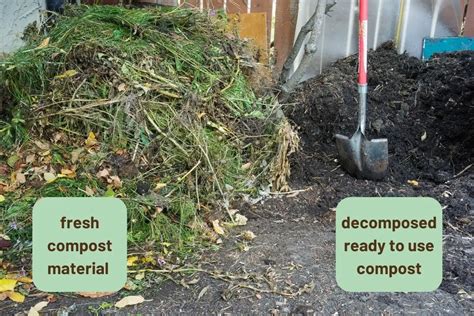
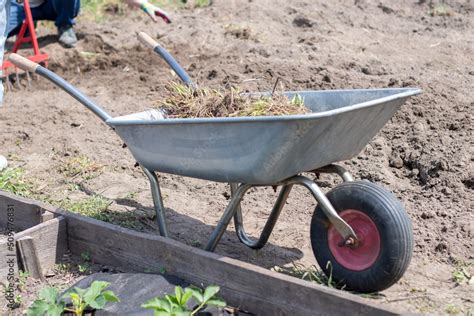
You’ll know your compost is ready when it has transformed into a dark, rich, earthy-smelling material with a crumbly texture. You shouldn’t be able to identify the original ingredients, apart from perhaps a few stubborn wood chips or corn cobs that take longer to break down. This typically takes anywhere from two months to a year, depending on the materials used, the composting method, and how actively you manage the pile. Once ready, it’s time to unleash its magic on your vegetable garden.
Applying Compost for Maximum Veggie Harvests
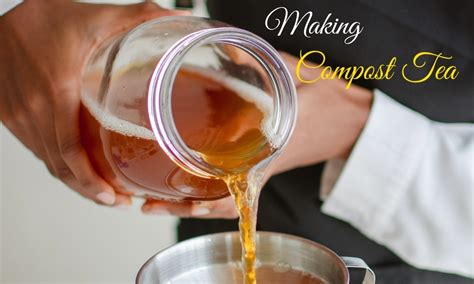
There are several ways to incorporate your homemade compost into your vegetable garden. Before planting, spread a 2-4 inch layer over your garden beds and gently work it into the top 6-8 inches of soil. This enriches the entire root zone. For existing plants, use it as a side dressing: sprinkle a layer around the base of your vegetables, keeping it a few inches away from the stem to prevent rot. You can also brew compost tea for a liquid nutrient boost, especially beneficial for seedlings or plants needing a quick pick-me-up. Regular application of compost will build healthier soil over time, fostering robust plant growth and leading to those bountiful harvests you’ve been dreaming of.
Conclusion: Your Path to a Thriving Vegetable Patch
Creating your own compost is a rewarding journey that not only reduces waste but also provides your garden with the best possible foundation for success. By understanding the balance of greens and browns, choosing an appropriate method, and maintaining the right conditions, you can produce a continuous supply of this invaluable soil amendment. Embrace the practice of composting, and watch your vegetable garden flourish with unparalleled vitality and productivity, yielding delicious produce season after season.