
Best homemade compost for productive veggie beds?

The Magic of Homemade Compost for Thriving Veggies
For any gardener dreaming of plump tomatoes, crisp lettuce, or a bountiful harvest of root vegetables, the secret often lies beneath the surface: in the soil. And when it comes to enriching that soil naturally, homemade compost stands head and shoulders above other amendments. It’s not just about adding nutrients; it’s about building a living ecosystem that supports robust plant growth, enhances water retention, and fends off diseases.
Crafting your own compost gives you complete control over what goes into your garden, ensuring an organic, chemical-free foundation for your edible plants. Forget expensive bags of soil conditioners; the best compost for your productive veggie beds is often made right in your backyard, using materials that would otherwise go to waste.

Understanding Your Composting Ingredients: Browns and Greens
The foundation of excellent compost lies in a balanced mix of ‘browns’ (carbon-rich materials) and ‘greens’ (nitrogen-rich materials). Browns provide the energy source for the composting microbes and include items like dried leaves, straw, wood chips, shredded paper, and cardboard. They tend to be dry and break down slower.
Greens, on the other hand, are typically moist and provide the protein for the microbes. These include kitchen scraps (fruit and vegetable peels), grass clippings, coffee grounds, tea bags, and fresh plant trimmings. Achieving the right ratio, ideally around 25-30 parts carbon to 1 part nitrogen, is crucial for a hot, efficient composting process that quickly breaks down materials into nutrient-dense humus.
Methods for Making the Best Compost
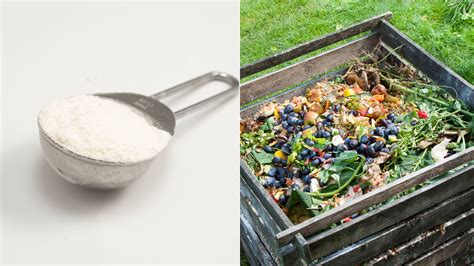
There are various ways to make compost, but for productive veggie beds, you’re aiming for a dark, crumbly, earthy-smelling product rich in diverse nutrients. Cold composting is the simplest method, involving merely piling up materials and letting nature take its course. It’s slow, but eventually, you’ll get compost.
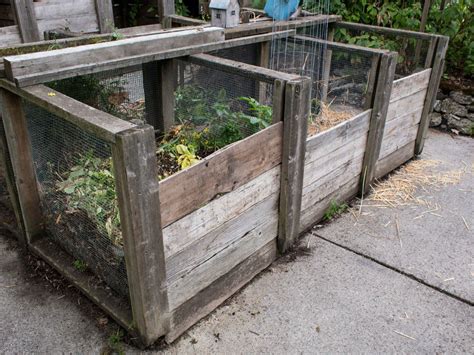
For faster results and superior quality, hot composting is often preferred. This method requires building a pile roughly 3x3x3 feet, with a good mix of browns and greens, regular turning, and consistent moisture. A hot pile reaches temperatures of 130-160°F (54-71°C), which effectively kills most weed seeds and pathogens, resulting in a cleaner, more potent soil amendment. Frequent turning helps aerate the pile, preventing anaerobic conditions and speeding up decomposition.
What Makes Superior Compost for Vegetable Production?
The best homemade compost for your veggie beds is not just ‘rotted stuff’; it’s a living soil conditioner. It should be fully decomposed, meaning you can no longer identify the original materials. This ‘finished’ compost, often referred to as ‘black gold,’ has a fine texture and a pleasant, earthy aroma. Its key attributes for vegetables include:
- Rich Nutrient Profile: A diverse range of ingredients ensures a broad spectrum of macro and micronutrients essential for vegetable growth.
- Vibrant Microbial Life: A thriving ecosystem of beneficial bacteria and fungi helps plants access nutrients and resist diseases.
- Improved Soil Structure: Compost improves drainage in heavy clay soils and water retention in sandy soils, creating an ideal environment for roots.
- Balanced pH: Finished compost tends to buffer soil pH, making nutrients more available to plants.
Avoid adding meat, dairy, diseased plants, or pet waste, as these can attract pests, harbor pathogens, or create odors, ultimately compromising the quality of your compost for edible plants.

Applying Your Homemade Compost for Maximum Impact
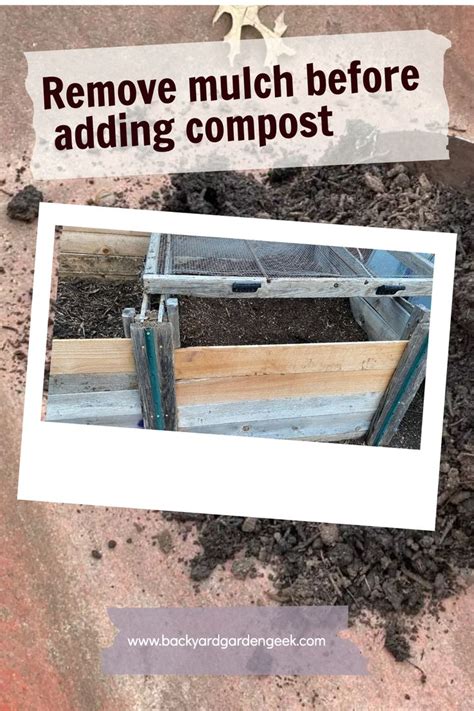
Once your compost is ready, applying it correctly ensures your veggie beds reap the full benefits. For new beds, incorporate a 2-4 inch layer into the top 6-8 inches of soil. For established beds, a 1-2 inch top dressing applied in spring and fall is usually sufficient. Gently rake it in or let earthworms do the work, drawing it deeper into the soil.
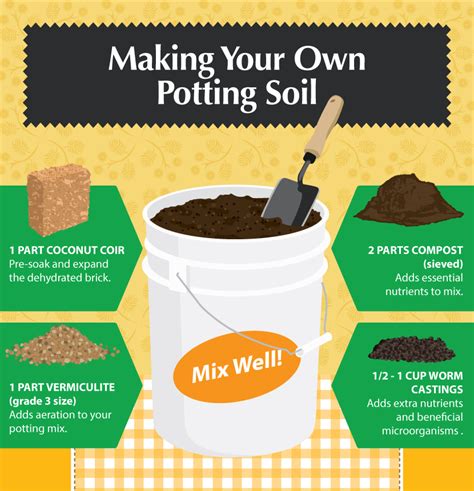
Compost also works wonderfully as a component of potting mixes for container vegetables, providing sustained nutrition without the need for synthetic fertilizers. Regularly feeding your veggie beds with your own homemade compost is a sustainable practice that not only diverts waste from landfills but also guarantees healthier, more productive plants year after year.
Conclusion: Your Path to a Bountiful Harvest
Creating your own nutrient-rich compost is one of the most rewarding practices for any home gardener. By understanding the balance of browns and greens, maintaining proper moisture and aeration, and diligently turning your pile, you can produce a superior soil amendment that will transform your vegetable beds. Embrace the process, and watch as your homemade black gold translates into an abundance of delicious, healthy produce, season after season.