Best homemade compost ingredients for nutrient-rich garden soil?

Creating your own compost is one of the most rewarding and sustainable practices for any gardener. It’s a fantastic way to recycle organic waste, reduce landfill contribution, and, most importantly, produce a free, nutrient-dense soil amendment that will make your garden thrive. The secret to excellent compost lies in a balanced mix of the right ingredients. Understanding what to add and what to avoid is crucial for a healthy, active compost pile that yields black gold for your garden beds.

Understanding the Essentials: Browns and Greens
A successful compost pile relies on a proper ratio of two main types of materials: carbon-rich ‘browns’ and nitrogen-rich ‘greens’. Think of browns as the energy source for the microorganisms breaking down your compost, and greens as their protein. Aim for roughly a 2:1 or 3:1 ratio of browns to greens by volume for optimal decomposition.
Optimal Green Ingredients (Nitrogen-Rich)
These materials provide nitrogen, which fuels the rapid growth and reproduction of the microorganisms that do the hard work of composting. They tend to be moist and break down quickly.
- Kitchen Scraps: Fruit and vegetable peels, cores, seeds, coffee grounds (and filters), tea bags, stale bread. Avoid meat, dairy, and oily foods as they can attract pests and slow decomposition.
- Fresh Grass Clippings: A fantastic source of nitrogen. Use in moderation to prevent matting and anaerobic conditions.
- Garden Trimmings: Fresh plant cuttings, spent flowers, healthy weeds (before they go to seed).
- Manure: Herbivore manure (from chickens, cows, horses, rabbits) is an excellent nitrogen booster. Avoid pet waste from carnivores.

Top Brown Ingredients (Carbon-Rich)
Brown materials provide carbon, essential for the structure of the compost and for balancing the nitrogen. They are typically dry, woody, or fibrous, and break down slower.
- Dried Leaves: An abundant and free resource in autumn. Shredding them speeds up decomposition.
- Shredded Paper and Cardboard: Non-glossy newspaper, cardboard (remove tape and labels), paper towel rolls. Shredding helps.
- Sawdust and Wood Chips: From untreated wood only. Use sparingly, as they can take a long time to break down and temporarily deplete nitrogen from the pile.
- Straw and Hay: Excellent for aeration and adding bulk. Ensure hay is weed-free.
- Pine Needles: Acidic, but perfectly fine in moderation as they lose their acidity during decomposition.

What to Avoid in Your Compost Pile
Just as important as knowing what to add is knowing what to keep out to maintain a healthy, effective compost pile and prevent problems.
- Meat, Fish, and Bones: Attract pests, create foul odors, and can take a very long time to decompose.
- Dairy Products and Oils: Attract pests and can become rancid.
- Diseased Plants: Pathogens may survive the composting process and spread to your garden.
- Weeds with Seeds: The compost pile might not get hot enough to kill all weed seeds, leading to a weedy garden.
- Chemically Treated Materials: Lawn clippings treated with herbicides or wood treated with preservatives can harm your garden.
- Pet Waste (Dogs, Cats): Can contain harmful pathogens (like parasites) that are not reliably killed in home compost piles.

Achieving the Perfect Balance for Nutrient-Rich Soil
The key to nutrient-rich compost is diversity and balance. A good mix of greens and browns ensures a wide spectrum of nutrients for your future soil. Regularly turning your compost pile introduces oxygen, which is vital for the aerobic microorganisms doing the decomposition work, preventing unpleasant odors and speeding up the process. Maintaining consistent moisture, similar to a wrung-out sponge, is also essential for microbial activity.
Tips for Successful Composting
- Chop Materials: Smaller pieces break down faster.
- Layering: Alternate layers of greens and browns for better distribution.
- Moisture: Keep the pile moist but not waterlogged. Add water if it feels dry.
- Aeration: Turn the pile regularly (weekly or bi-weekly) to provide oxygen and mix materials.
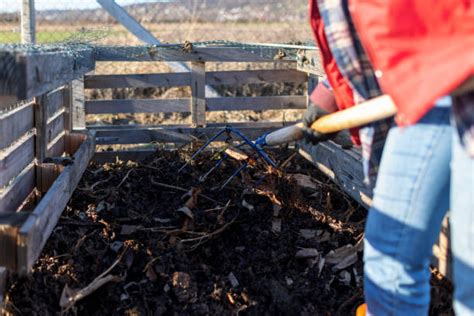
By thoughtfully selecting your compost ingredients and maintaining your pile, you’ll be well on your way to producing a rich, dark, earthy-smelling compost that will significantly boost your garden’s health and fertility. This homemade organic powerhouse will improve soil structure, water retention, and nutrient availability, leading to stronger plants and more abundant harvests.