



Best homemade compost recipe for thriving organic vegetable garden soil?

Unlocking the Secret to Vibrant Garden Soil with Homemade Compost
Achieving a thriving organic vegetable garden starts with the soil. While store-bought amendments can help, nothing quite compares to the richness and ecological benefits of homemade compost. It’s a natural superfood for your garden, teeming with beneficial microbes and essential nutrients that chemical fertilizers simply can’t replicate. Creating your own compost is not only eco-friendly, reducing household waste, but also a cost-effective way to transform lackluster soil into a vibrant ecosystem where vegetables flourish.
This guide will walk you through the best homemade compost recipe, ensuring you have the perfect blend to nurture your organic vegetable garden from the ground up. Get ready to turn kitchen scraps and yard waste into gardening gold!
The Core Ingredients: Browns and Greens
The success of your compost pile hinges on maintaining the right balance between ‘brown’ (carbon-rich) and ‘green’ (nitrogen-rich) materials. Think of it as a carefully crafted meal for the microorganisms that do the hard work of decomposition.
Brown Materials (Carbon-Rich)
- Dry leaves
- Shredded cardboard (non-glossy, non-waxed)
- Straw or hay
- Wood chips or sawdust (untreated)
- Newspaper (shredded, black ink only)
- Dead plant matter from the garden
Browns provide the energy source for the decomposers and help create the structure and aeration within your pile.
Green Materials (Nitrogen-Rich)
- Fruit and vegetable scraps (non-citrus in large quantities)
- Coffee grounds and tea bags
- Grass clippings (in thin layers to prevent matting)
- Weeds (non-seeding, avoid persistent perennial weeds)
- Manure (from herbivores like cows, horses, chickens, rabbits)
- Spent cut flowers
Greens provide the nitrogen needed for microbial growth and activity, speeding up decomposition.
The Perfect Recipe: Balancing Your Pile
The ideal ratio for most backyard composters is roughly 2-3 parts brown to 1 part green by volume. Don’t worry about being scientifically precise; composting is more art than exact science. The key is diversity and layering.
![Rock layering 1 - Download Free 3D model by 3dhdscan [99722d3] - Sketchfab](/images/aHR0cHM6Ly90czQubW0uYmluZy5uZXQvdGg/aWQ9T0lQLkFlVHlLeEFjaEZfSHNVdzluUDJ3dUFIYUVLJnBpZD0xNS4x.webp)
Building Your Compost Pile Layer by Layer:
-
Start with a Base: Begin with a 4-6 inch layer of coarse brown materials (like twigs or straw) at the bottom. This ensures good airflow.
-
Add Greens: Place a 2-4 inch layer of green materials on top of the browns.
-
Add Browns Again: Cover the green layer with a 4-6 inch layer of brown materials.
-
Introduce a ‘Starter’ (Optional but Recommended): A thin layer of finished compost or garden soil can introduce beneficial microorganisms to kickstart the process. Alternatively, a sprinkle of high-nitrogen fertilizer (like blood meal) can also act as an accelerant.
-
Moisture: Water each layer as you add it until it’s damp, like a wrung-out sponge. Avoid over-saturating.
-
Repeat: Continue layering browns and greens, ensuring each layer is moistened. Aim to build your pile to at least 3x3x3 feet for optimal heat generation, but smaller piles can work too.
Maintaining Your Compost: The Active Phase
Once your pile is built, it requires some care to efficiently transform into rich humus. The three pillars of successful composting are aeration, moisture, and heat.

Aeration (Turning):
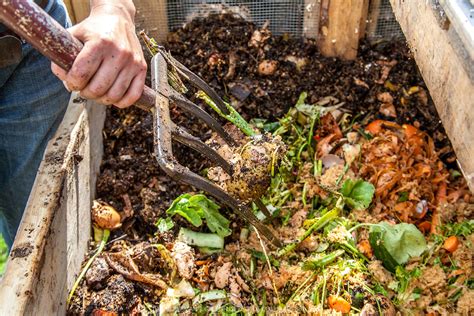
The microorganisms responsible for decomposition need oxygen. Turning your compost pile regularly (every 1-2 weeks) with a pitchfork or compost aerator introduces oxygen, prevents compaction, and speeds up decomposition. If your pile smells foul, it’s a sign it’s too wet and needs turning.
Moisture:
Keep your compost pile consistently moist, but not soaking wet. It should feel like a damp sponge. In dry weather, you may need to water it; in very wet conditions, cover it to prevent waterlogging.
Heat:
A well-maintained, active compost pile will generate heat internally (often reaching 120-160°F or 49-71°C). This heat is a sign that the microorganisms are hard at work and helps kill off weed seeds and pathogens. Turning helps distribute the heat.
Knowing When Your Compost is Ready
Patience is a virtue in composting. Finished compost will be dark brown, crumbly, and have an earthy smell – resembling rich forest soil. You shouldn’t be able to recognize the original materials. The temperature of the pile will also have cooled down to ambient temperature.
Depending on the materials, size of the pile, and how often it’s turned, this process can take anywhere from a few weeks to several months. A well-managed hot compost pile can be ready in 1-3 months, while a slower, passive pile might take 6-12 months.

How to Use Your Garden Gold
Once your compost is ready, it’s time to incorporate it into your organic vegetable garden:
-
Soil Amendment: Mix 1-3 inches of finished compost into the top 6-8 inches of your garden beds before planting. This improves soil structure, water retention, and nutrient availability.
-
Top Dressing: Sprinkle a layer of compost around established plants. This acts as a slow-release fertilizer and helps suppress weeds.
-
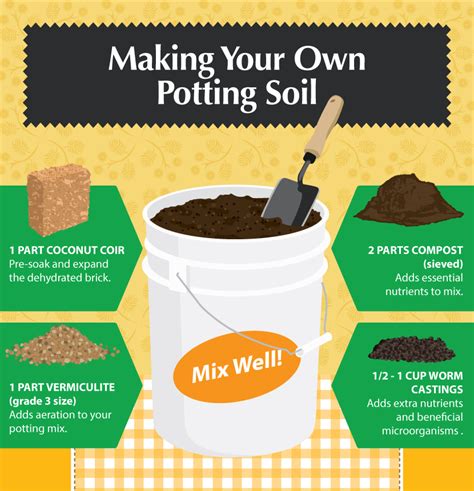
Potting Mix: You can mix compost with other ingredients like perlite, vermiculite, and peat moss (or coir) to create a custom potting mix for containers and seed starting.
-
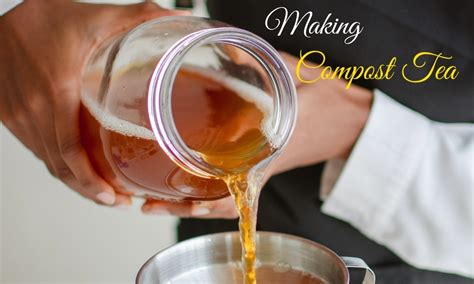
Compost Tea: Steep a bag of compost in water for a day or two to create a nutrient-rich liquid feed for your plants.
Cultivate a Healthier Garden
Crafting your own compost is one of the most rewarding practices for an organic gardener. By following this recipe and tending to your pile, you’ll be creating a living, breathing amendment that brings unparalleled vitality to your vegetable garden soil. Embrace the cycle of nature, reduce waste, and watch your plants thrive as never before. Happy composting!