

Best homemade methods to enrich garden soil for robust organic vegetable yields?
Cultivating Abundance: The Foundation of Healthy Soil
Achieving a bountiful harvest of organic vegetables begins not with seeds, but with the soil itself. Rich, living soil provides the essential nutrients, structure, and microbial activity necessary for strong, disease-resistant plants and impressive yields. While commercial amendments exist, some of the most effective and sustainable methods for soil enrichment come from your own backyard and kitchen. Embracing these homemade techniques not only saves money but also creates a resilient, chemical-free ecosystem for your garden.
The Powerhouse of Composting
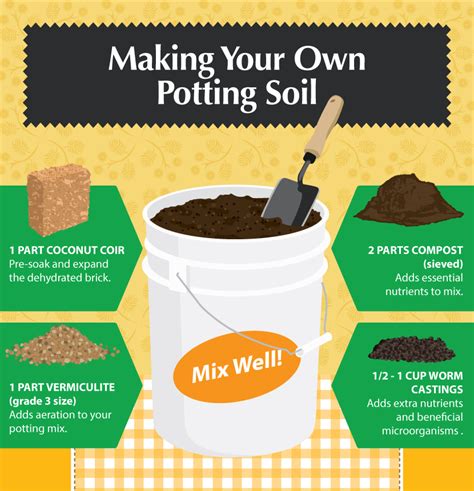
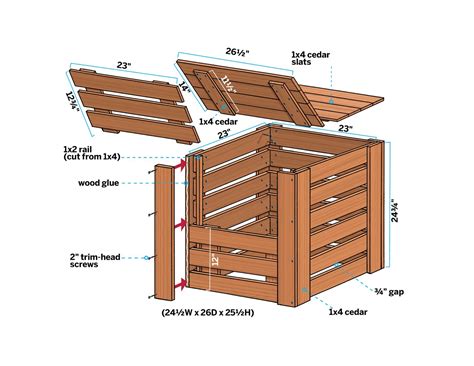
Compost is often called “black gold” for good reason. It’s a miracle worker for garden soil, improving its structure, increasing water retention, and providing a slow-release source of vital nutrients. Creating your own compost pile from kitchen scraps, yard waste, and garden trimmings is perhaps the most fundamental step towards truly organic soil enrichment.
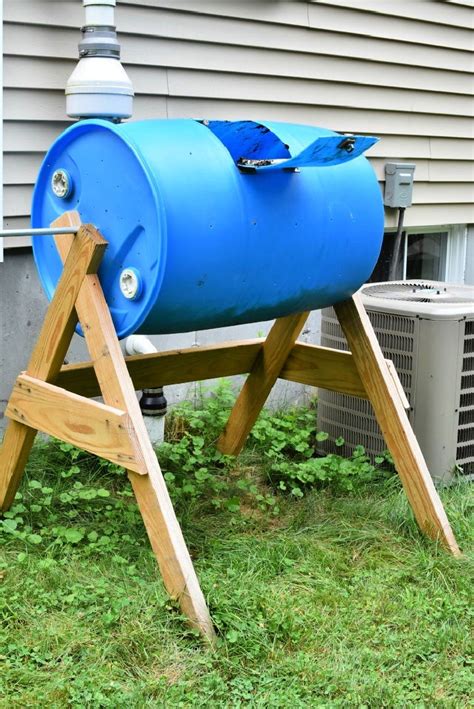
To start, you need a balance of “greens” (nitrogen-rich materials like food scraps, grass clippings) and “browns” (carbon-rich materials like dried leaves, shredded paper, wood chips). Layering these materials, keeping the pile moist, and turning it regularly will transform waste into a dark, crumbly, nutrient-dense amendment.
Vermicomposting: Worms to the Rescue
For those with limited space or a desire for an even more potent soil amendment, vermicomposting—or worm composting—is an excellent option. Red wiggler worms consume organic waste and excrete nutrient-rich castings, which are essentially super-fertilizer. Worm castings improve soil structure, aeration, and drainage, while also delivering beneficial microbes and essential plant nutrients in a highly available form.
Setting up a simple worm bin is straightforward, requiring a container, bedding material (shredded newspaper or cardboard), and a supply of food scraps. It’s a low-maintenance way to turn kitchen waste into garden gold.
Cover Crops and Green Manures
Don’t let your garden beds sit bare during the off-season! Planting cover crops, also known as green manures, is an age-old method to protect and enrich your soil. These plants are grown specifically to be tilled back into the soil, adding organic matter, improving structure, and often fixing nitrogen from the atmosphere (in the case of legumes like clover and vetch).
Rye, oats, fava beans, and various clovers are popular choices. They prevent erosion, suppress weeds, and, when incorporated, release nutrients that become available for your subsequent vegetable crops. This method is a long-term investment in your soil’s health.

Harnessing the Magic of Leaf Mold
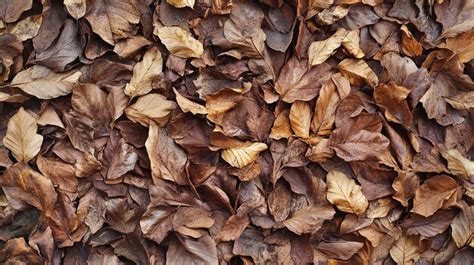
Leaf mold is another simple, yet incredibly effective, homemade soil conditioner. It’s created by decomposing fallen leaves into a dark, crumbly material that greatly enhances soil structure and water retention. Unlike compost, which aims for a hot, fast breakdown, leaf mold is a slower, cooler process driven primarily by fungi.
Simply collect fallen leaves, moisten them, and pile them in an out-of-the-way spot or in a dedicated bin. Over 1-2 years, they will break down into a valuable amendment that improves soil tilth and provides a perfect habitat for beneficial microorganisms.
Kitchen Scraps and Coffee Grounds: Direct Application
While composting is ideal for most kitchen waste, certain items can be directly incorporated into your garden beds to provide a quick nutrient boost. Burying fruit and vegetable scraps directly into the soil allows them to decompose in situ, feeding your plants directly.
Coffee grounds, in particular, are a popular amendment. They add nitrogen, trace minerals, and organic matter to the soil, and some gardeners find they deter pests. Eggshells, when crushed, provide calcium, which is crucial for preventing blossom end rot in tomatoes and peppers.

The Power of Organic Mulch
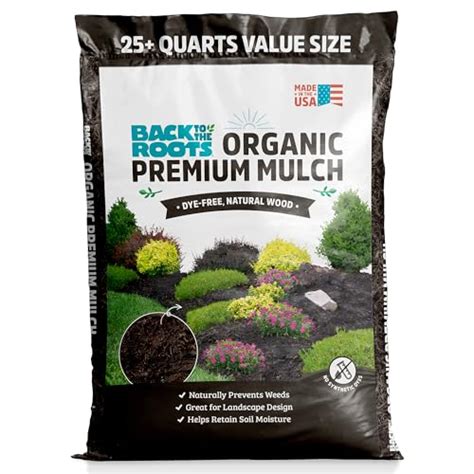
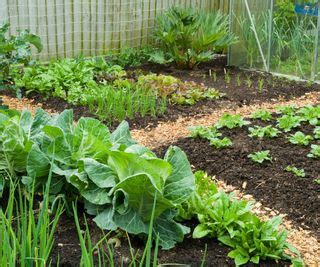
Mulching is a foundational practice in organic gardening. A thick layer of organic material—such as straw, wood chips, shredded leaves, or grass clippings—spread over your garden beds offers multiple benefits. It suppresses weeds, conserves soil moisture, and moderates soil temperature. Crucially, as organic mulch slowly breaks down, it continuously feeds the soil, adding valuable organic matter and nutrients from the top down.
Over time, this process significantly improves soil structure, fosters a healthy microbial ecosystem, and contributes to a richer, more fertile planting medium, reducing the need for external fertilizers.
Crafting Nutrient-Rich Compost Tea
For a liquid boost of nutrients and beneficial microbes, consider making compost tea. This involves steeping finished compost (or worm castings) in water, often with an aeration system, to extract soluble nutrients and multiply microbial populations. The resulting “tea” can be diluted and used as a foliar spray or a soil drench.
Compost tea acts as a natural fertilizer, enhancing plant vigor and potentially increasing their resistance to diseases and pests. It’s a way to spread the goodness of your compost throughout your garden in a readily available form.
Conclusion: A Thriving, Self-Sustaining Garden
Enriching your garden soil with homemade methods is more than just a task; it’s an investment in the long-term health and productivity of your organic vegetable patch. By regularly incorporating compost, practicing vermicomposting, planting cover crops, using leaf mold, directly applying suitable kitchen scraps, and diligently mulching, you create a vibrant, living soil ecosystem. These practices reduce waste, save money, and, most importantly, provide the perfect foundation for robust, healthy plants and abundant harvests, year after year. Embrace these natural cycles, and your garden will reward you generously.