

Best homemade, natural pest spray for organic tomato plants?

Protecting your organic tomato plants from pests is a cornerstone of successful, chemical-free gardening. While the thought of insects feasting on your prized tomatoes can be frustrating, resorting to harsh chemical pesticides defeats the purpose of organic cultivation. Fortunately, nature provides a bounty of safe, effective ingredients that can be transformed into powerful homemade pest sprays.
Understanding Common Tomato Pests
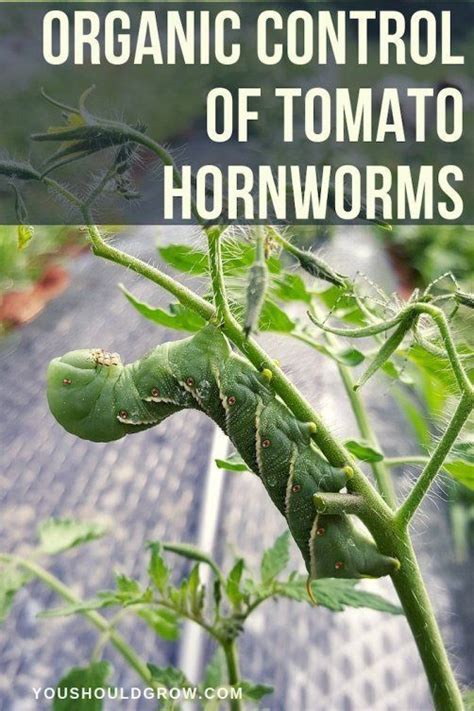
Before we dive into remedies, it’s helpful to identify the common culprits. Aphids, spider mites, whiteflies, hornworms, and various beetles are frequent visitors to tomato patches. Each can cause significant damage, from stunted growth and yellowing leaves to defoliation and fruit damage. Early detection and consistent application of natural deterrents are key to keeping these invaders at bay.
Homemade Neem Oil Spray
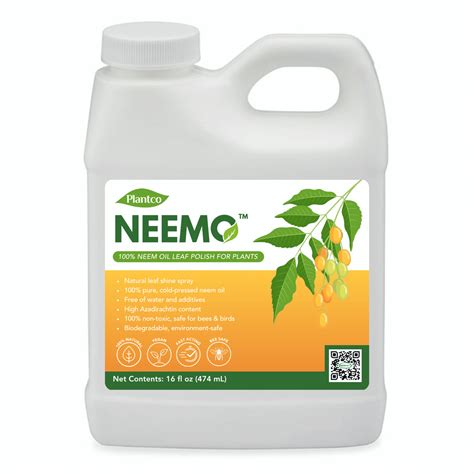
Neem oil is a superstar in organic pest control. Derived from the neem tree, it acts as an anti-feedant, repellent, and insect growth regulator, disrupting the life cycle of many common pests.
- Ingredients:
- 1-2 tablespoons 100% cold-pressed neem oil
- 1 teaspoon mild liquid soap (e.g., Castile soap)
- 1 gallon warm water
- Instructions:
- Emulsify the neem oil by mixing it thoroughly with the liquid soap. The soap helps the oil mix with water.
- Slowly add the warm water while stirring continuously.
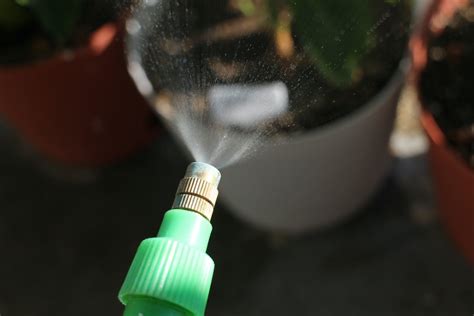
- Pour the mixture into a spray bottle.
- Application: Spray all parts of the plant, especially the undersides of leaves where pests often hide. Apply in the early morning or late evening to avoid burning leaves in direct sunlight and to protect beneficial insects. Reapply every 7-10 days or after rain.
Garlic and Chili Pepper Spray
For pests that need a strong deterrent, a spicy garlic and chili pepper spray can be highly effective. The strong odor and irritating capsaicin in chili peppers repel many insects.

- Ingredients:
- 1 whole head of garlic, peeled
- 2-3 hot chili peppers (e.g., cayenne, jalapeño)
- 1 teaspoon mild liquid soap
- 1 quart water
- Instructions:
- Blend the garlic and chili peppers with a small amount of water until smooth.
- Strain the mixture through cheesecloth or a fine-mesh sieve to remove solids.
- Add the strained liquid to the remaining water and mix in the liquid soap.
- Pour into a spray bottle.
- Application: Spray directly on affected plants, focusing on pest infestations. Test on a small area first to ensure it doesn’t harm your specific tomato variety. Avoid spraying on very hot, sunny days.
Simple Insecticidal Soap Spray
Sometimes, the simplest solutions are the best. An insecticidal soap spray works by dissolving the protective waxy coating of soft-bodied insects like aphids, spider mites, and whiteflies, leading to dehydration and death.
- Ingredients:
- 1-2 tablespoons mild liquid soap (Castile soap is ideal; avoid dish soaps with degreasers or harsh chemicals)
- 1 gallon water
- Instructions:
- Mix the liquid soap thoroughly with the water.
- Pour into a spray bottle.
- Application: Spray directly onto pests, ensuring good coverage, especially on the undersides of leaves. This spray only works on contact, so thorough application is crucial. Reapply as needed, every few days for active infestations.
General Application Tips for Success
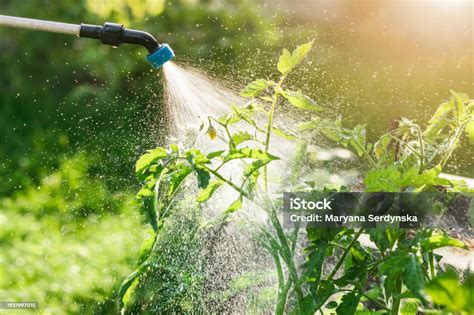
- Consistency is Key: Natural sprays often require more frequent application than chemical counterparts. Stick to a regular schedule, especially during pest season.
- Early Morning or Late Evening: Always spray during cooler parts of the day to prevent leaf burn and to protect beneficial insects that are less active at these times.
- Undersides of Leaves: Many pests hide and lay eggs on the undersides of leaves. Be diligent in reaching these often-overlooked areas.
- Test First: Before widely applying any new spray, test it on a small, inconspicuous part of the plant and wait 24-48 hours to ensure there are no adverse reactions.
- Monitor Your Plants: Regularly inspect your tomato plants for signs of pests. Catching an infestation early makes it much easier to manage.
Beyond Sprays: Holistic Organic Pest Management
While homemade sprays are excellent tools, remember they are part of a larger organic strategy.

- Companion Planting: Plant marigolds, basil, or borage near your tomatoes to deter pests and attract beneficial insects.
- Good Garden Hygiene: Remove weeds and plant debris, which can harbor pests and diseases.
- Encourage Beneficial Insects: Attract ladybugs, lacewings, and predatory wasps by planting flowers and herbs that provide nectar and pollen.
- Crop Rotation: Rotate your tomato planting locations each year to break pest cycles.
Conclusion
Growing organic tomatoes without pests is an achievable goal with the right approach. By utilizing these simple, homemade natural pest sprays in conjunction with holistic garden practices, you can safeguard your plants, ensure a bountiful harvest, and enjoy the satisfaction of truly organic produce. Embrace these earth-friendly solutions for a thriving, pest-free tomato patch.