



Best homemade recipes for preserving abundant garden harvest simply?

Embracing the Bountiful Garden Harvest
There’s nothing quite as satisfying as harvesting a bumper crop from your own garden. Lush tomatoes, crisp cucumbers, vibrant berries, and aromatic herbs—the abundance is a joy. But what do you do with it all before it spoils? The answer lies in simple, homemade preservation techniques that allow you to savor the taste of summer long after the season ends. You don’t need fancy equipment or complex methods; with a few basic tools and a little know-how, you can transform your garden’s bounty into delicious, shelf-stable delights.
Essential Simple Preservation Methods
Preserving your harvest can be incredibly straightforward. The most common and accessible methods include freezing, water bath canning, pickling, and drying. Each technique has its advantages and is best suited for different types of produce, allowing you to choose the perfect method for your specific needs.
Freezing: The Easiest Option
Freezing is arguably the simplest and least intimidating method for preserving most fruits and vegetables. It requires minimal preparation for many items and locks in nutrients and flavor effectively. Berries can be frozen whole on baking sheets before transferring to bags, while vegetables like corn, peas, or green beans benefit from a quick blanching (brief boiling followed by an ice bath) to retain color and texture.
Canning: Sealing in Freshness
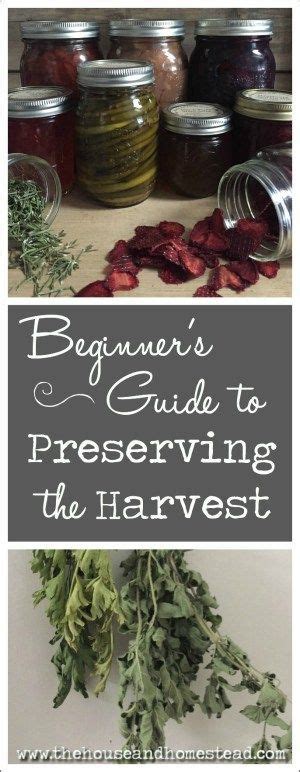
Water bath canning is perfect for high-acid foods such as fruits, jams, jellies, pickles, and most tomato products. This method involves processing filled jars in boiling water to create a vacuum seal, making them shelf-stable. It’s a fantastic way to capture the essence of peak-season produce in beautiful jars ready to be enjoyed months later.
For example, homemade berry jams or chunky tomato sauce can be easily canned using this method, providing you with delicious staples for breakfast or dinner throughout the year.
Pickling: Tangy Delights
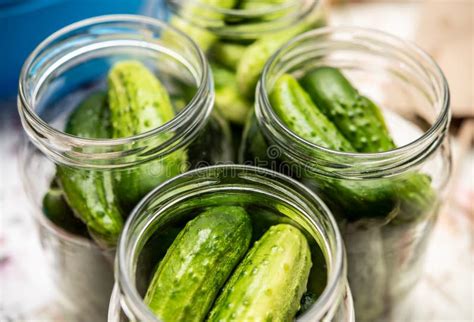
Pickling involves preserving food in an acidic solution, typically vinegar, often with added spices and herbs. While many people think of cucumbers, almost any vegetable can be pickled, from green beans to carrots and even peppers. Quick refrigerator pickles are incredibly easy to make and require no canning, though they must be stored in the fridge. For shelf-stable pickles, water bath canning is used after the pickling process.
Drying: Concentrating Flavors
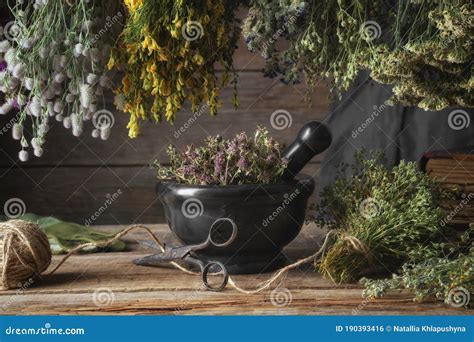
Drying removes moisture from food, inhibiting microbial growth and concentrating flavors. This method is excellent for herbs, fruit leathers, sun-dried tomatoes, and even some vegetables like mushrooms. You can use a food dehydrator, your oven on a low setting, or even air dry certain items in warm, dry conditions. Dried herbs, for instance, are a garden staple that can be easily preserved this way.
Top Simple Recipes to Try
- Classic Homemade Tomato Sauce: Transform your ripe tomatoes into a rich sauce that can be frozen or water bath canned. A simple recipe usually involves simmering tomatoes with garlic, onions, and herbs, then pureeing or leaving chunky.
- Mixed Berry Jam: Combine your garden’s strawberries, raspberries, and blueberries into a delightful jam. With just fruit, sugar, and a touch of lemon juice, you can create a spread that tastes like summer in a jar.
- Quick Refrigerator Dill Pickles: Slice your cucumbers, pack them into jars with fresh dill, garlic, and a simple brine of vinegar, water, salt, and a pinch of sugar. Ready in a few days and stored in the fridge, these are a crunchy, tangy treat.
Tips for Successful Preservation
To ensure your preserved goods are safe and delicious, keep these simple tips in mind:
- Use Fresh, High-Quality Produce: The better the produce going in, the better the end product will be.
- Cleanliness is Key: Always work with clean hands, utensils, and sanitized jars to prevent spoilage.
- Follow Recipes Precisely: Especially for canning, adhere to tested recipes to ensure food safety.
- Label and Date: Clearly label your jars and packages with the contents and date of preservation.
- Store Properly: Keep canned goods in a cool, dark place. Frozen items need a consistent freezer temperature.

Preserving your garden’s harvest is a rewarding endeavor that connects you more deeply with your food. By using these simple, homemade recipes and techniques, you can enjoy the fruits (and vegetables!) of your labor all year long, bringing the fresh taste of your garden to your table any time you wish.