

Best homemade ways to store homegrown root vegetables for winter country living?
Embracing Winter: Traditional Storage for Your Root Harvest
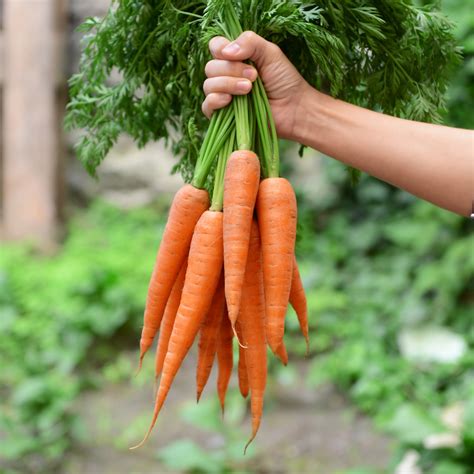
For those living the country life, the autumn harvest of root vegetables isn’t just about enjoying fresh produce; it’s about preparation and self-sufficiency. Extending the bounty of your garden through the long winter months without relying on refrigeration can be incredibly rewarding. Thankfully, our ancestors perfected numerous low-tech, highly effective methods for preserving carrots, potatoes, beets, parsnips, and turnips. These homemade storage solutions are often simple, sustainable, and perfectly suited for a rural lifestyle.
The Classic Root Cellar: Nature’s Refrigerator
The gold standard for long-term root vegetable storage is undoubtedly the root cellar. This could be a purpose-built underground structure, a modified basement corner, or even an old storm cellar. The key is consistent cool temperatures (ideally 35-45°F or 2-7°C) and high humidity (around 90-95%). Good air circulation is also vital to prevent spoilage. Store vegetables like potatoes, carrots, beets, and parsnips in crates, baskets, or bins, ensuring they are clean, dry, and free of damage before storing. Avoid washing them until ready to use, as the soil provides a natural protective layer.
Sand, Sawdust, or Peat Moss Storage
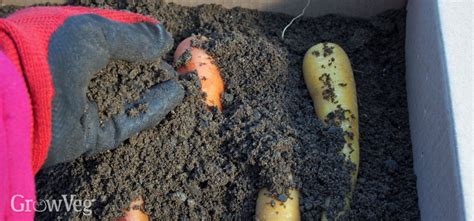
If a dedicated root cellar isn’t an option, a simple bin of moist sand, sawdust, or peat moss can work wonders in a cool, dark location like an unheated garage, shed, or basement. This method is particularly excellent for carrots, beets, and parsnips, which tend to lose moisture and become limp over time. Layer your clean, unwashed vegetables in bins, ensuring they are completely covered by the medium. The sand or sawdust helps maintain a consistent temperature, prevents moisture loss, and isolates individual vegetables, slowing the spread of any potential rot.
Outdoor Pit or Mound Storage
For a truly traditional and often surprisingly effective method, consider outdoor pit or mound storage. This involves digging a shallow trench or creating a mound on a well-drained spot in your garden. Line the pit with straw, place your root vegetables (like potatoes, carrots, or cabbage) in layers, and cover them with more straw, then a layer of soil. Ensure the soil is mounded to shed water. A vent pipe can be added to larger pits for air circulation. This method utilizes the earth’s natural insulation to keep vegetables cool and prevent freezing, making it ideal for large harvests in colder climates.

Utilizing a Cold Frame for Extended Harvest
While not strictly “storage” in the traditional sense, a robust cold frame can extend the harvest season for some root vegetables well into winter. By planting cold-hardy varieties of carrots, parsnips, or beets in a cold frame in late summer, you can often leave them in the ground and harvest them as needed throughout the colder months. The cold frame protects them from harsh freezes, allowing you to dig them up fresh, almost as if it were still autumn. This “in-situ” storage is perfect for smaller quantities and provides the freshest possible taste.

Other Long-Term Preservation Methods
Beyond the classic cool and moist storage, other methods can supplement your winter vegetable supply:
- Freezing: Many root vegetables (carrots, beets, parsnips) can be blanched and frozen. While it requires freezer space, it’s excellent for pre-prepped vegetables for soups and stews.
- Dehydrating: Sliced carrots, beets, and sweet potatoes can be dried. This method significantly reduces storage space and is perfect for adding to winter meals or making vegetable powders.
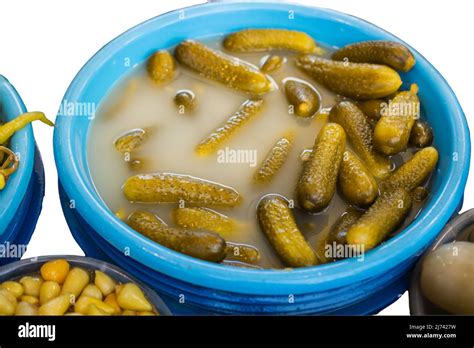
- Canning: While less common for roots like potatoes, beets can be pickled or canned for long-term shelf stability.
Key Tips for Successful Winter Storage
- Harvest at Peak: Ensure vegetables are mature but not over-ripe.
- Cure Where Needed: Potatoes and sweet potatoes benefit from a curing period to toughen their skins and heal minor wounds.
- Handle Gently: Bruised or damaged vegetables spoil quickly and can affect others.
- Check Regularly: Inspect stored vegetables periodically and remove any showing signs of rot to prevent spread.
- Control Humidity and Temperature: These are the most critical factors for most root vegetables.
Storing your homegrown root vegetables for winter country living is a deeply satisfying practice that connects you with the rhythms of nature and provides a resilient food source. By employing these tried-and-true homemade methods, you can enjoy the fruits of your labor long after the first snow falls, embracing self-sufficiency and the true spirit of rural life.