Best long-term storage for garden potatoes without a root cellar?

For many home gardeners, the harvest of abundant potatoes is a joyous occasion. However, the ensuing challenge of preserving this bounty long-term, especially without a traditional root cellar, can be daunting. While ideal conditions are often elusive, several effective strategies can help extend the life of your homegrown spuds for months, minimizing waste and maximizing your gardening efforts.
Understanding Ideal Storage Conditions
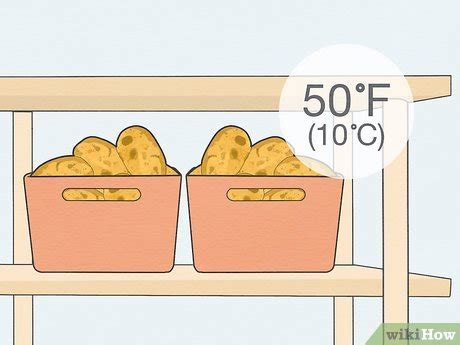
Potatoes thrive in environments that are cool, dark, and moderately humid. The perfect temperature range is typically between 40-50°F (4-10°C), with high humidity (around 85-95%) to prevent shriveling. Darkness is crucial to inhibit sprouting and the development of solanine, a bitter, green alkaloid that makes potatoes undesirable and potentially harmful.

Preparation is Paramount
Curing
After harvesting, gently brush off excess soil (do not wash them!) and allow potatoes to “cure” for 1-2 weeks. This process should occur in a cool, dark, and humid spot—a shed or garage can work well if conditions are right. Curing allows the potato skins to toughen, healing any minor cuts and reducing moisture loss, making them more resilient for long-term storage.
Sorting
Before storing, carefully inspect each potato. Discard any that are bruised, cut, diseased, or damaged, as these will spoil quickly and could affect the entire batch. Only healthy, blemish-free potatoes should be stored long-term to prevent premature spoilage.

Alternative Storage Locations & Methods
Unheated Basements or Garages
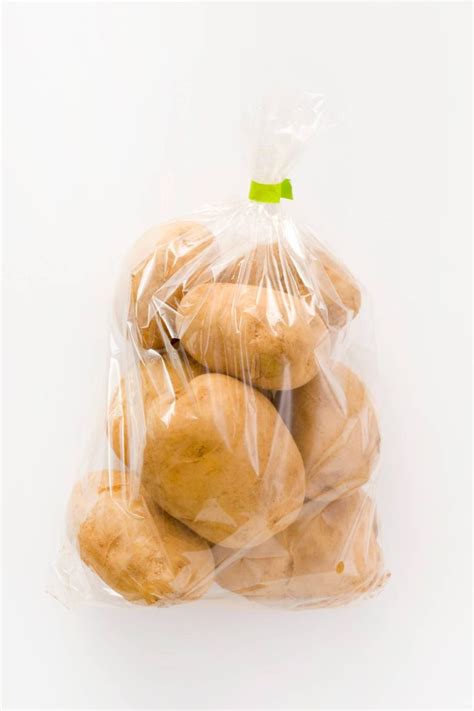
If you have an unheated basement or garage that naturally maintains temperatures between 40-50°F (4-10°C) for most of the cooler months, this can be an excellent option. Ensure the area is dark or can be easily darkened, and protect potatoes from freezing temperatures. Store them in breathable containers like cardboard boxes, paper bags, or slatted wooden crates, never in sealed plastic bags which trap moisture and encourage rot.
Cool Closets or Pantries
For smaller batches, a cool, dark closet or pantry within your home, away from heat sources and direct sunlight, might suffice. Check temperatures regularly; if they consistently exceed 55°F (13°C), potatoes will sprout more quickly, reducing their storage life.
Burying in Sand or Sawdust
A traditional method involves layering potatoes in bins or large containers with dry sand, sawdust, or even shredded newspaper. This medium provides insulation, helps maintain humidity, and effectively blocks light. Ensure the medium is clean and completely dry to prevent mold growth.
DIY Storage Solutions for Enhanced Longevity
Insulated Bins
Create a simple insulated storage bin using two cardboard boxes, one slightly smaller than the other. Line the larger box with insulation materials such as straw, old blankets, or even crumpled newspaper. Place the smaller box inside and fill the space between the boxes with more insulation. This setup can help stabilize temperatures in areas that are slightly warmer than ideal.
Outdoor Pit/Mound
In some climates, a temporary outdoor pit or mound can be a viable option. Dig a shallow pit, line it with straw, place your cured potatoes, cover with more straw, and then a layer of soil. Ensure good drainage and protection from pests. This method requires careful monitoring of frost and moisture levels.

Monitoring and Maintenance
Regularly check your stored potatoes (every few weeks) for any signs of spoilage, softening, greening, or excessive sprouting. Remove any problematic potatoes immediately to prevent them from affecting others. Small sprouts can be rubbed off, but if potatoes are significantly green or soft, they should be discarded. Ensure good air circulation around the containers to deter moisture buildup.
Conclusion
Storing garden potatoes without a dedicated root cellar is entirely achievable with careful preparation and a bit of ingenuity. By prioritizing cool, dark, and humid conditions, utilizing breathable containers, and regularly inspecting your harvest, you can enjoy your homegrown potatoes well into the colder months. These alternative storage methods ensure you make the most of your gardening efforts, bringing fresh, home-grown goodness to your table for longer.