



Best low & slow braising tips for tender country pot roast from tough cuts?

Unlock the Secret to Melt-in-Your-Mouth Pot Roast
The dream of a fall-apart, deeply flavorful pot roast often starts with a less-than-glamorous piece of meat. Tough cuts, while affordable, possess an incredible secret weapon: collagen. When subjected to the magic of low and slow braising, this collagen breaks down into gelatin, transforming a sinewy chunk of beef into a luscious, tender masterpiece. Forget dry, stringy roasts; we’re about to dive into the essential techniques that guarantee a perfectly tender country pot roast every single time.
Choosing Your Champion Cut
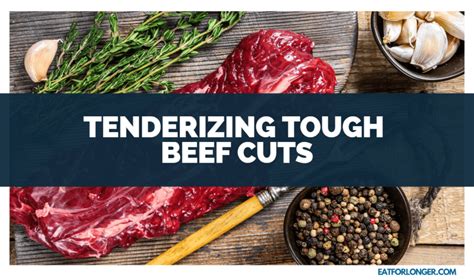
Success begins with selecting the right foundation. For pot roast, you want cuts rich in connective tissue, which are typically from hard-working muscles. Excellent choices include:
- Chuck Roast: Often labeled chuck eye, chuck roll, or blade roast, this is the quintessential pot roast cut, offering a good balance of meat, fat, and connective tissue.
- Brisket: While popular for BBQ, the flat or point can be braised to perfection.
- Round Roasts: Bottom round or eye of round can work, but tend to be leaner and require even more careful low and slow cooking to prevent dryness.
- Short Ribs: Though usually braised individually, boneless short ribs can make a phenomenal, rich pot roast.
Prep for Perfection: Searing and Aromatics
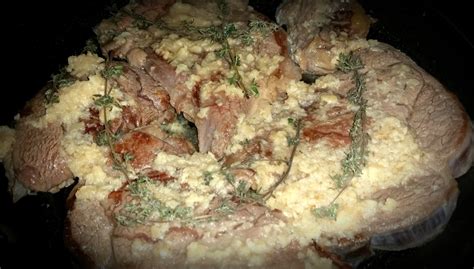
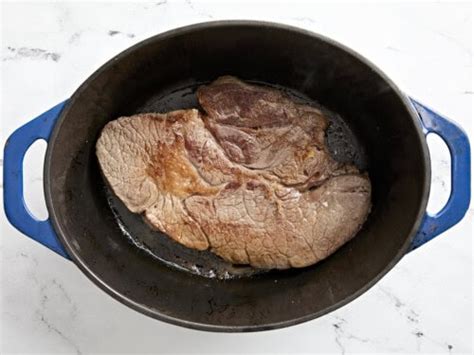
Don’t skip the initial steps – they build the foundational flavors. Season your chosen cut generously with salt and pepper. Then, in a heavy-bottomed pot or Dutch oven (your braising vessel), sear the meat on all sides until deeply browned. This Maillard reaction creates complex, savory notes that will permeate the entire dish.
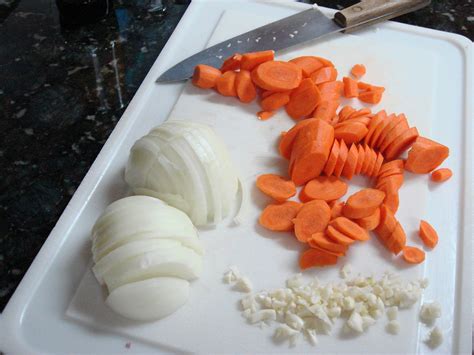
Once seared, remove the meat and sauté your aromatics. Onions, carrots, celery (the classic mirepoix), garlic, and herbs like thyme and bay leaves are excellent choices. Deglaze the pan with a splash of liquid, scraping up all those flavorful brown bits from the bottom – this is liquid gold!
The Liquid Gold: Braising Mediums
The braising liquid not only provides moisture but also infuses the meat with incredible flavor. Common choices include:
- Beef Broth/Stock: A fundamental choice that reinforces beefy flavor.
- Red Wine: Adds depth, acidity, and complexity, especially to beef.
- Tomatoes: Canned diced tomatoes or paste contribute acidity and umami, helping to break down connective tissue.
- Beer: Dark beers, like stout or porter, can add a rich, malty dimension.
- Water: While simple, it lets the meat and aromatics shine, especially if using a highly flavorful stock.
Ensure the liquid comes about halfway to two-thirds up the sides of the meat. You want the meat to be partially submerged, not swimming, as this allows the top portion to steam and develop a richer flavor.
The Low & Slow Secret: Temperature and Time
This is where the magic truly happens. Braising requires patience and a gentle, consistent heat.
Optimal Temperature:
- Oven Braising: Generally, between 275°F to 325°F (135°C to 160°C). Lower temperatures (around 275-300°F) are ideal for maximum tenderness and even cooking without drying out the edges.
- Stovetop Braising: Use the lowest possible heat setting to maintain a bare simmer. This requires more vigilance to prevent scorching.
Cooking Duration:
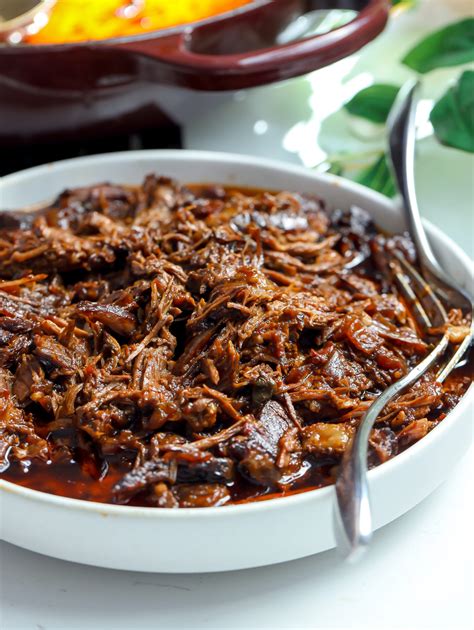
For a typical 3-4 pound chuck roast, expect 3 to 4 hours, sometimes longer. The meat is done when it’s fork-tender – meaning a fork slides into it with almost no resistance, and it easily shreds apart. Don’t rush it; undercooked pot roast will be tough, no matter how long it sat in liquid.
Patience is a Virtue: Resting and Finishing
Once your pot roast is gloriously tender, don’t just pull it out and serve immediately. Remove the meat from the braising liquid and let it rest, loosely tented with foil, for at least 15-20 minutes. This allows the juices to redistribute, resulting in an even more succulent roast.
While the meat rests, you can finish your sauce. Skim off any excess fat from the braising liquid. You can then reduce it on the stovetop for a more concentrated flavor, or thicken it slightly with a cornstarch or flour slurry if desired. Strain out the solids for a silky sauce, or leave them in for a rustic country feel.
Troubleshooting and Extra Tips
- Too Tough? It just needs more time! Toughness usually means the collagen hasn’t fully broken down yet. Return it to the heat.
- Too Dry? This usually happens if the heat was too high or the braising liquid evaporated too much. Keep an eye on the liquid level during cooking.
- Enhance Flavor: Consider adding a tablespoon of anchovy paste (it melts away, adding deep umami without a fishy taste), a pinch of smoked paprika, or a dash of Worcestershire sauce to your braising liquid.
- Veggie Additions: Add heartier vegetables like potatoes or whole carrots in the last hour of cooking so they don’t turn to mush.
Conclusion
Transforming a humble, tough cut of meat into a spectacular, tender country pot roast is one of cooking’s most rewarding feats. By understanding the science of low and slow braising, selecting the right ingredients, and practicing patience, you’ll consistently achieve a dish that’s rich in flavor, incredibly tender, and comforting to the soul. Happy braising!