


Best method for canning garden tomatoes safely for winter meals?

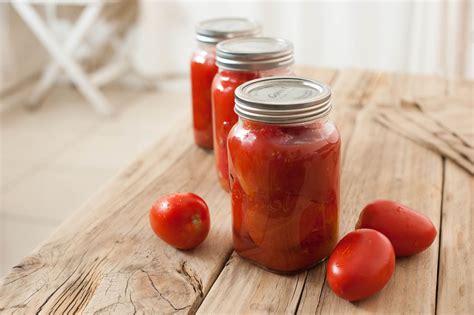
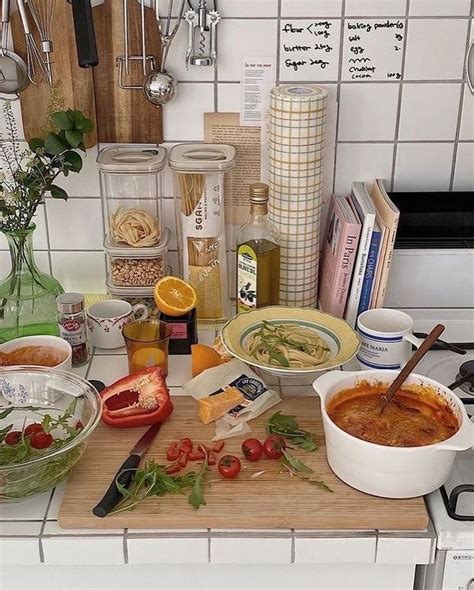
There’s nothing quite like the taste of sun-ripened garden tomatoes, and preserving that flavor for the cold winter months is a rewarding endeavor for any home cook. Canning fresh tomatoes allows you to capture their peak goodness, providing a healthy and delicious base for countless winter meals. However, ensuring safety is paramount. This guide will walk you through the best and safest methods to can your garden tomatoes, protecting against spoilage and foodborne illness while maximizing flavor.
Understanding Tomato Acidity and Safety
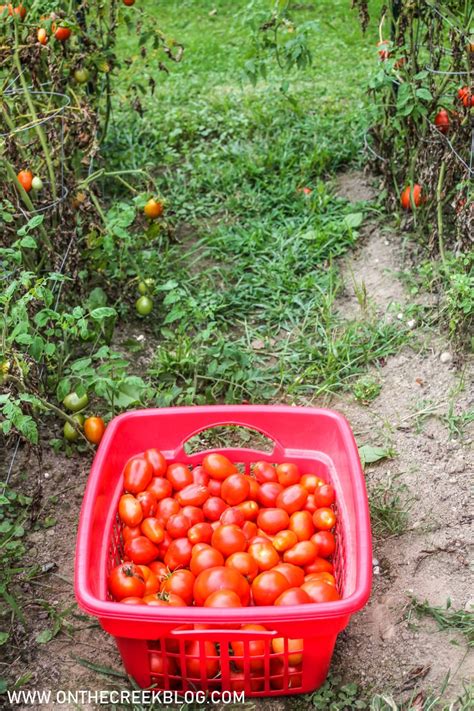
The key to safe tomato canning lies in understanding their acidity. Tomatoes are generally considered high-acid foods, which makes them suitable for water bath canning. However, their acidity can vary depending on the variety, ripeness, and growing conditions. Some modern varieties and over-ripe tomatoes can have lower acidity levels, increasing the risk of botulism if not properly processed. To ensure safety, especially when using water bath canning, it’s crucial to add additional acid.
Botulism is a serious foodborne illness caused by a toxin produced by Clostridium botulinum bacteria. These bacteria thrive in low-acid, oxygen-free environments, making improperly canned low-acid foods a potential risk. High acidity (pH 4.6 or below) inhibits the growth of these bacteria.
Water Bath Canning: The Most Common Method
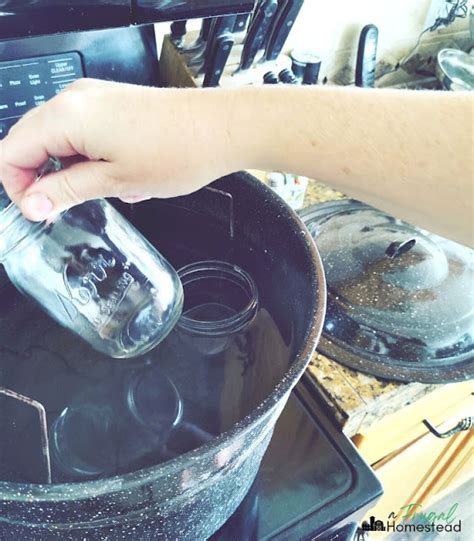
Water bath canning is the go-to method for high-acid foods like most tomatoes, especially whole, halved, or crushed tomatoes, and basic tomato juice. It involves submerging sealed jars in boiling water for a specified period.
Step-by-Step Water Bath Canning:
- Prepare Your Jars and Lids: Wash jars in hot, soapy water, rinse well, and sterilize them by boiling for 10 minutes or running them through a canning-specific cycle in your dishwasher. Keep them hot until ready to fill. Wash new lids and rings; lids do not need to be boiled for sterilization but should be warmed to soften the sealing compound.
- Prepare Your Tomatoes: Wash tomatoes thoroughly. You can peel them by blanching them in boiling water for 30-60 seconds, then immediately transferring them to an ice bath, after which the skins should slip off easily. Core and quarter or crush them as desired. For whole tomatoes, you can prick them with a fork to prevent splitting.
- Add Acid (Crucial Step!): This is non-negotiable for safety when water bath canning tomatoes. Add 2 tablespoons of bottled lemon juice or ½ teaspoon of citric acid per quart jar, or 1 tablespoon of bottled lemon juice or ¼ teaspoon of citric acid per pint jar. Do not reduce these amounts.
- Fill Jars: Pack hot tomatoes into hot jars, leaving ½ inch headspace. You can either raw-pack (fill with raw tomatoes and then hot liquid/juice) or hot-pack (cook tomatoes briefly first, then fill). Fill with boiling water, tomato juice, or broth, ensuring ½ inch headspace. Remove air bubbles using a non-metallic utensil, adding more liquid if needed.
- Clean Rims and Seal: Wipe jar rims clean with a damp cloth. Place warm lids on top, then screw on bands fingertip-tight (just until resistance is met, no overtightening).
- Process in Water Bath Canner: Place filled jars on a rack in a large canner filled with hot water. Ensure water covers jars by at least 1-2 inches. Bring to a rolling boil and process for the recommended time (typically 40-45 minutes for quarts at altitudes below 1,000 feet, adjust for higher altitudes).
Pressure Canning: For Added Safety or Specific Recipes
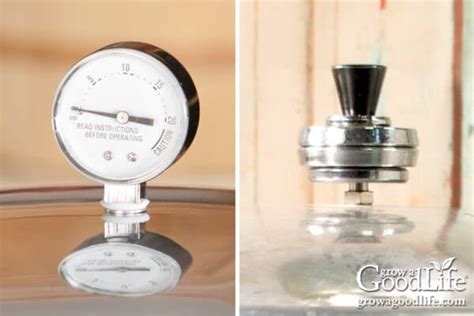
While water bath canning is suitable for most plain tomatoes with added acid, pressure canning offers an extra layer of safety, especially for tomato sauces, crushed tomatoes without added acid, or recipes that include low-acid vegetables (like onions or peppers). Pressure canning achieves higher temperatures than boiling water, effectively destroying botulism spores.
Follow your pressure canner’s instructions precisely, ensuring correct pressure and processing times for your altitude and tomato product. Typically, raw-packed whole or crushed tomatoes would be processed at 10 pounds of pressure (dial gauge) or 11 pounds (weighted gauge) for 15-20 minutes for pints and 20-25 minutes for quarts. Always consult an up-to-date, tested recipe from a reliable source like the National Center for Home Food Preservation (NCHFP).
Post-Canning and Storage
- Cooling: Carefully remove jars from the canner and place them on a towel on the counter, away from drafts, for 12-24 hours without disturbing them.
- Check Seals: After cooling, check for seals. Lids should be concave and not flex when pressed. If a jar hasn’t sealed, refrigerate it and consume within a few days, or reprocess within 24 hours with a new lid (after reheating contents).
- Storage: Remove screw bands, wipe jars clean, label with contents and date, and store in a cool, dark, dry place. Properly canned tomatoes can last for at least a year.

Common Mistakes to Avoid
- Skipping Added Acid: Never skip the lemon juice or citric acid when water bath canning tomatoes.
- Using Green or Under-ripe Tomatoes: These have lower acidity and can affect flavor and safety.
- Improper Headspace: Too much can prevent sealing; too little can cause food to boil out.
- Not Removing Air Bubbles: Can lead to false seals or discolored food.
- Overtightening Bands: Can prevent air from escaping during processing, leading to buckling or failure to seal.
- Using Untested Recipes: Always use recipes from reputable sources that have been scientifically tested for safety.
Canning your garden tomatoes is a rewarding way to extend your harvest and enjoy fresh flavors all year long. By following these safe canning guidelines, you can confidently stock your pantry with delicious, home-preserved tomatoes, ready to transform into hearty sauces, warming soups, and and flavorful stews throughout the winter.