

Best method for canning garden tomatoes safely for winter sauces?
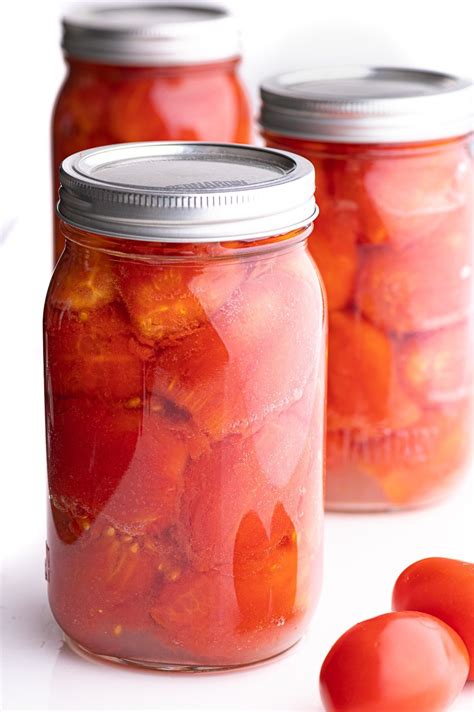
Why Can Tomatoes at Home?
There’s nothing quite like the taste of homegrown tomatoes, bursting with sun-ripened flavor. Preserving these gems allows you to enjoy that taste long after the growing season ends, transforming them into rich, vibrant winter sauces. Canning is a rewarding process, but safety is paramount to prevent spoilage and foodborne illness. This guide will walk you through the best and safest method for canning your garden tomatoes.
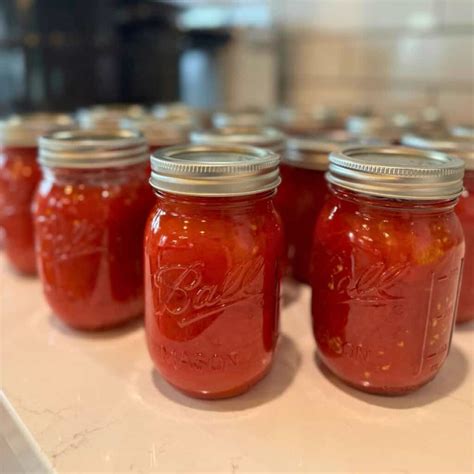
Understanding Acidity: The Key to Safe Tomato Canning
Tomatoes are a borderline acidic food, meaning their pH can vary. For safe water bath canning, it’s crucial to ensure sufficient acidity to inhibit the growth of Clostridium botulinum, the bacterium responsible for botulism. While some older recipes might skip this step, modern canning guidelines *require* the addition of an acid to all home-canned tomatoes.
Essential Equipment for Safe Canning
Before you begin, gather your tools. Having everything ready streamlines the process and ensures safety.
- Water Bath Canner: A large pot with a lid and a rack to keep jars off the bottom.
- Canning Jars: Mason-style jars with two-piece lids (new lids are essential for each use).
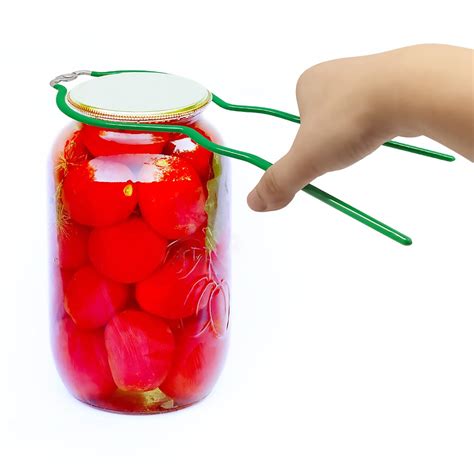
- Jar Lifter: For safely moving hot jars.
- Funnel: A wide-mouth funnel for filling jars without spills.
- Ladle: For transferring hot tomatoes.
- Bubble Remover/Headspace Tool: A non-metallic utensil to remove air bubbles and measure headspace.
- Clean Cloths: For wiping jar rims.
- Large Pots: For blanching tomatoes and cooking sauce.
- Acid Source: Bottled lemon juice or citric acid.
Preparing Your Garden Tomatoes
Selecting and Washing
Choose ripe, firm tomatoes free from blemishes, cracks, or soft spots. Wash them thoroughly under cool running water. Avoid overripe tomatoes as their acidity might be lower.
Blanching and Peeling
To easily peel tomatoes:
- Bring a large pot of water to a rolling boil.
- Score an ‘X’ on the bottom of each tomato.
- Immerse tomatoes, a few at a time, into boiling water for 30-60 seconds, or until skins begin to split.
- Immediately transfer tomatoes to an ice bath to stop cooking.
- The skins should now slip off easily. Remove cores and any bruised parts.
Processing for Sauces
For winter sauces, you’ll likely want crushed or puréed tomatoes. After peeling and coring, you can crush them by hand, use a food mill, or lightly process them in a food processor. If making a thicker sauce, you might simmer them gently to reduce moisture before canning.
Acidification is Non-Negotiable
This is the most critical safety step. You must add acid directly to each jar before filling with tomatoes. Do not rely on estimates or taste.
- For Pint Jars: Add 1 tablespoon of bottled lemon juice or ¼ teaspoon of citric acid.
- For Quart Jars: Add 2 tablespoons of bottled lemon juice or ½ teaspoon of citric acid.
Bottled lemon juice is preferred over fresh lemon juice, as its acidity level is standardized and reliable. You can also add ½ teaspoon of salt per quart for flavor, but it is not necessary for safety.
Water Bath Canning Method: Step-by-Step
The water bath method is the recommended safe way to can acidified tomato products for winter sauces.
1. Prepare Jars and Lids
Wash jars, lids, and bands in hot, soapy water. Rinse well. Sterilize jars by boiling them for 10 minutes, or wash them in a dishwasher on a hot cycle immediately before use. Keep jars hot until filling.
2. Fill Jars with Acid and Tomatoes
Place the required amount of lemon juice or citric acid into each hot jar. Ladle hot tomato sauce or crushed tomatoes into the jars, leaving ½ inch of headspace (the space between the food and the rim of the jar).
3. Remove Air Bubbles and Adjust Headspace
Using a non-metallic utensil, run it around the inside of the jar to release trapped air bubbles. Re-check the headspace and add more tomatoes if necessary to maintain ½ inch.
4. Clean Rims and Secure Lids
Wipe the jar rims thoroughly with a clean, damp cloth. Any food residue can prevent a proper seal. Center a hot, new lid on the jar and screw on the band fingertip tight (just until resistance is met, no overtightening).
5. Process in Water Bath Canner
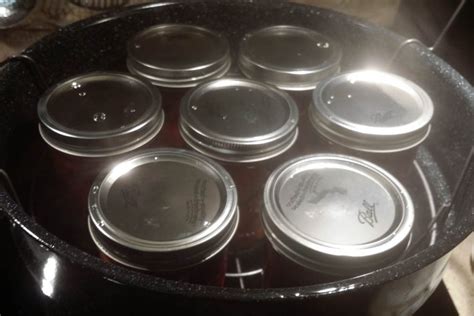
- Place jars onto the rack in your water bath canner. Ensure water covers the tops of the jars by at least 1-2 inches. If needed, add more boiling water.
- Bring the water to a rolling boil.
- Once boiling, start your timer. Process pint jars for 35 minutes and quart jars for 40 minutes.
- Adjust processing time for altitude: Add 5 minutes for altitudes of 1,001-3,000 feet, 10 minutes for 3,001-6,000 feet, and 15 minutes for above 6,000 feet.
6. Cool and Check Seals
Once processing is complete, turn off the heat and let the jars rest in the canner for 5 minutes. Carefully remove jars with a jar lifter and place them upright on a towel-lined counter, leaving space between them. Do not retighten bands. Let them cool undisturbed for 12-24 hours.
After cooling, check seals by pressing the center of the lid. If it doesn’t flex, the jar is sealed. Remove bands, wash jars, and label with contents and date.
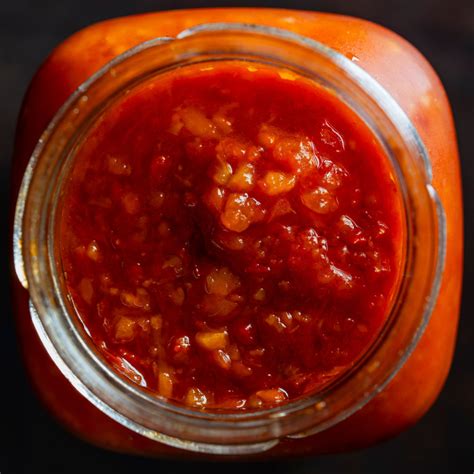
Storing Your Winter Sauces
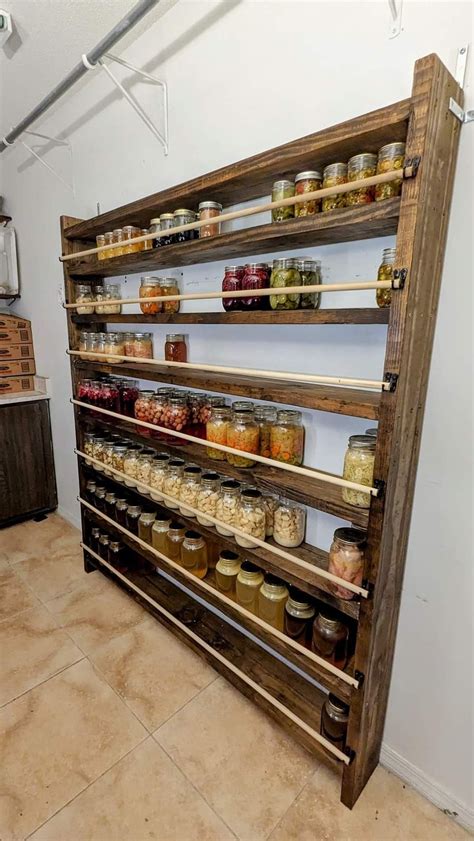
Store sealed, labeled jars in a cool, dark, dry place for up to 18 months. Any jars that did not seal should be refrigerated and consumed within a week or reprocessed within 24 hours with new lids and an additional acid dose.
Conclusion
Canning garden tomatoes for winter sauces is a deeply satisfying way to preserve the flavor of summer. By diligently following these safe water bath canning methods, particularly with proper acidification, you can confidently enjoy your homemade tomato sauces all year long, knowing they are both delicious and safe for your family.