Best method for long-term storage of homegrown root vegetables without electricity?

Embracing Traditional Root Vegetable Storage
For many homesteaders and gardeners, the harvest is a time of bounty, but also a challenge: how to preserve this abundance through the colder months without relying on modern conveniences like refrigeration? Fortunately, our ancestors perfected several ingenious methods for long-term storage of root vegetables that require no electricity at all. By understanding the core principles of cool, dark, and moderately humid environments, you can ensure your carrots, potatoes, beets, and more remain fresh and nutritious for many months.
The key to successful non-electric storage lies in mimicking the conditions these vegetables experience naturally in the ground during winter, but in a controlled environment. This approach prevents sprouting, wilting, and spoilage, allowing you to enjoy your harvest long after the growing season ends.

The Time-Honored Root Cellar (or Improvised Version)
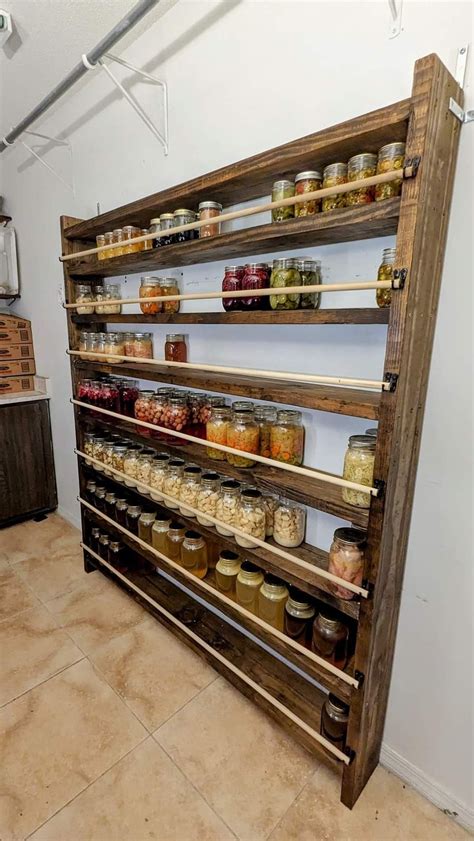
Undoubtedly, the gold standard for electricity-free preservation is the root cellar. A true root cellar provides a stable, cool temperature (ideally 35-45°F or 2-7°C) and high humidity (85-95%), mimicking underground conditions. While digging a dedicated cellar might be a significant project, many can improvise a ‘root cellar’ in existing spaces. Unheated basements, crawl spaces, or even a sturdy, insulated outdoor shed can be adapted. Look for the coolest, darkest, and most consistent temperature spot. Ensure there is some ventilation to prevent ethylene gas buildup, which can accelerate spoilage, especially for potatoes.
If you don’t have a basement, consider a buried container method. A large, food-grade plastic barrel or sturdy metal garbage can, buried mostly underground and insulated, can serve as a mini root cellar. Ensure it has drainage holes at the bottom and a well-sealed, insulated lid that allows for occasional access.
Packing in Sand, Sawdust, or Peat Moss
This method is excellent for carrots, beets, parsnips, and turnips, which tend to shrivel in dry air. The medium (clean sand, sawdust, or peat moss) helps maintain consistent moisture around the vegetables and prevents them from drying out. It also isolates individual vegetables, slowing the spread of rot if one begins to spoil.
How to do it:
- Select firm, blemish-free vegetables. Do not wash them; brush off excess dirt.
- Trim off the leafy tops, leaving about an inch of stem to prevent moisture loss from the cut end.
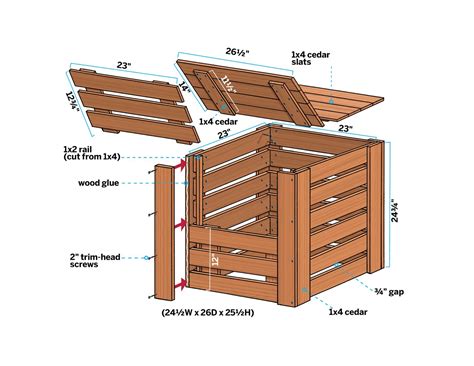
- Find a sturdy container – a wooden crate, plastic bin, or even a cardboard box.
- Place a layer of your chosen medium at the bottom.
- Arrange a single layer of vegetables, ensuring they don’t touch each other.
- Cover completely with more medium.
- Repeat layers until the container is full, finishing with a thick layer of medium on top.
- Store the container in a cool, dark, and moderately humid location.

Earth Mounding or Clamping (Outdoor Pitting)
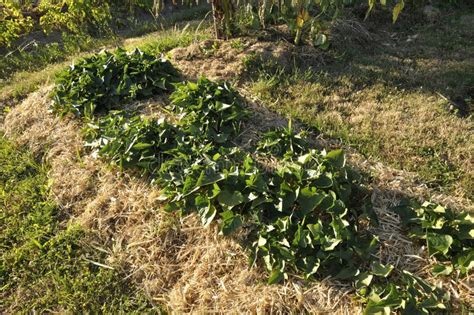
For those with limited indoor space, or a large harvest of potatoes, carrots, or beets, earth mounding (also known as clamping or pitting) allows vegetables to be stored directly in the ground, protected from frost. This method leverages the earth’s natural insulating properties.
Steps for an earth mound:
- Choose a well-drained spot in your garden, ideally on a slight slope.
- Dig a shallow trench (6-12 inches deep) or simply clear a circular area.
- Place a layer of straw, leaves, or wood chips at the bottom for insulation and drainage.
- Pile your vegetables in a conical or elongated shape on this bed.
- Cover the vegetables with a thick layer of straw or dry leaves (at least 6-12 inches).
- Top the insulating layer with 6-12 inches of soil, ensuring it forms a mound to shed water. Pack the soil firmly.
- For extremely cold climates, add another layer of straw and soil, or even a tarp for extra protection.
- Mark the location clearly so you can find your buried treasure later!
Accessing the vegetables requires digging into the mound, so plan to remove enough for several meals at once to minimize repeated disturbance.
Crucial Pre-Storage Steps: Curing and Drying
Before any long-term storage method, proper preparation is vital. Many root vegetables, particularly potatoes and sweet potatoes, benefit from a process called ‘curing.’ Curing hardens the skin, heals minor nicks, and improves storage life significantly.
- Potatoes: After harvest, brush off loose soil (do not wash). Cure in a dark, humid place (around 50-60°F or 10-15°C) for 1-2 weeks. Then, store in a dark, cool (35-45°F), moderately humid place.
- Sweet Potatoes: Cure at a higher temperature (80-85°F or 27-29°C) and high humidity (80-90%) for 7-10 days. Then, store at 50-55°F (10-13°C) and moderate humidity.
- Onions & Garlic: Requires drying or ‘curing’ in a warm, airy, shady spot until the neck is dry and the outer skin is papery. Store in braided bunches or mesh bags in a cool, dry, dark place.
For other root vegetables like carrots, beets, and parsnips, simply brush off excess dirt and trim greens immediately after harvest. Avoid washing, as surface moisture can encourage rot.

Monitoring and Troubleshooting Stored Vegetables
Even with the best preparation, it’s wise to periodically check your stored vegetables. Inspect for any signs of spoilage, such as soft spots, mold, or sprouting. Remove any compromised vegetables immediately to prevent rot from spreading to healthy ones. Good air circulation in a root cellar or shed can also help prevent moisture buildup and mold growth.
If vegetables start to shrivel, it indicates the environment is too dry; try increasing humidity with a pan of water or by adding more moist packing medium. If they are molding, it’s too wet, and you may need better ventilation or a drier storage spot.
Conclusion: Sustainable Storage for a Bountiful Harvest
Storing homegrown root vegetables without electricity is not only feasible but also a deeply rewarding practice that connects us to traditional foodways. By implementing methods like root cellaring, sand packing, and earth mounding, and paying close attention to pre-storage curing, you can significantly extend your harvest and enjoy fresh, homegrown produce throughout the lean months. These DIY approaches reduce reliance on the grid, minimize food waste, and provide a greater sense of self-sufficiency, ensuring your hard work in the garden pays off long-term.