

Best method for preserving a bumper tomato harvest without canning equipment?

Embrace Your Abundant Tomato Harvest, No Canner Required!
There’s nothing quite like the joy and, let’s be honest, slight overwhelm of a truly bumper tomato harvest. Your plants are bursting, the counter is overflowing, and you’re wondering how on earth you’ll save all that sun-ripened goodness without a pressure canner or water bath setup. Fear not, country living enthusiasts! Many fantastic, simple methods exist to preserve your tomato bounty, ensuring you can enjoy that fresh summer flavor long into the colder months, all without special canning equipment.

Freezing: The Easiest Way to Preserve Whole or Chopped Tomatoes
Freezing is arguably the most straightforward and least equipment-intensive method for preserving tomatoes. It’s perfect for both beginners and seasoned gardeners alike.
Method 1: Freezing Whole Tomatoes
- Preparation: Wash tomatoes thoroughly. No need to blanch or peel! Just remove the core.
- Freezing: Place whole tomatoes on a baking sheet in a single layer, ensuring they don’t touch. Freeze until solid (this prevents them from sticking together).
- Storage: Transfer the frozen tomatoes to freezer bags or airtight containers. When you’re ready to use them, a quick run under warm water will make the skins slip right off. They’re perfect for sauces, stews, and chilis.
Method 2: Freezing Chopped Tomatoes
- Preparation: Wash, core, and chop your tomatoes into desired sizes. You can blanch and peel them first if you prefer a smoother texture later, but it’s not strictly necessary for many dishes.
- Freezing: Pack the chopped tomatoes into freezer-safe containers or freezer bags, leaving a little headspace for expansion.
- Storage: Label and freeze. These are ready to be added directly to cooking.

Roasting and Freezing Tomato Sauce or Paste
If you want to intensify the flavor of your tomatoes before preserving, roasting is an excellent step. This method yields a rich, concentrated sauce or paste that freezes beautifully.
Steps:
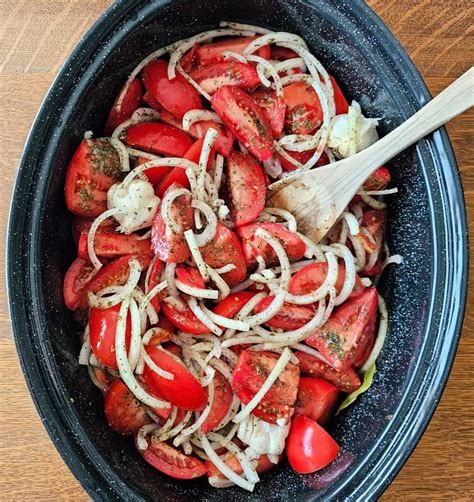
- Roast: Halve or quarter your tomatoes. Toss them with a drizzle of olive oil, salt, pepper, and optional herbs like basil or oregano. Roast at 375°F (190°C) for 45-60 minutes, or until softened and slightly caramelized.
- Blend: Let the roasted tomatoes cool slightly, then transfer them to a food processor or blender. Blend until smooth or to your desired consistency. For a super smooth sauce, press through a sieve to remove seeds and skins.
- Reduce (Optional for Paste): For a thicker sauce or paste, transfer the blended tomatoes to a large pot and simmer gently over low heat, stirring occasionally, until it reaches your desired thickness.
- Freeze: Once cooled, pour the sauce or paste into freezer-safe containers, freezer bags, or even ice cube trays for convenient small portions.
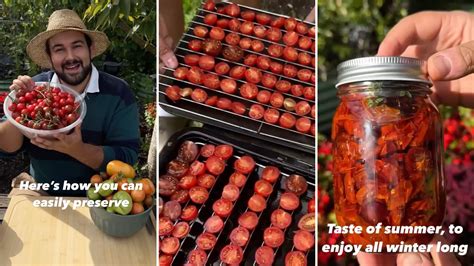
Dehydrating: Sun-Dried or Oven-Dried Tomatoes
Dehydrating tomatoes concentrates their sugars and flavors, creating intensely delicious sun-dried tomatoes perfect for salads, pastas, and snacks. This method requires minimal active effort but a bit of patience.
Methods:
- Oven Drying: Slice tomatoes (roma or paste varieties work best) about 1/4 inch thick. Arrange them on baking sheets lined with parchment paper. Dry in an oven set to its lowest temperature (usually 150-200°F or 65-93°C) with the door slightly ajar to allow moisture to escape. This can take 6-12 hours or more, depending on thickness and oven.
- Dehydrator: If you have a food dehydrator, follow its instructions for tomatoes. This is typically set to 125-135°F (52-57°C) and can take 8-16 hours.
- Sun Drying (Traditional): In very hot, dry climates, you can sun-dry tomatoes outdoors. Slice tomatoes, place on screens, and cover with cheesecloth. Bring indoors at night to prevent dew. This can take several days.
Tomatoes are fully dried when they are leathery and pliable, not brittle, and have no moisture. Store them in airtight containers, or pack them in olive oil (refrigerate if stored in oil) for an extra treat.
Tips for Success and Storage
- Choose Wisely: Always start with ripe, blemish-free tomatoes. The quality of your preserved product depends on the quality of the fresh fruit.
- Label Everything: Date and label all your preserved goods. You’ll thank yourself later!
- Variety Matters: Roma or paste tomatoes (like San Marzano) are often preferred for sauces, pastes, and drying due to their lower water content and meaty texture. Slicing tomatoes work well for freezing whole or chopped.
- Don’t Waste Scraps: Even cores, skins (from peeled tomatoes), and ends can be simmered down to make a quick vegetable broth base.
With these simple, no-canning methods, you can turn your bumper tomato harvest into a year-round supply of delicious, homegrown goodness. Enjoy the fruits of your labor!