




Best method for preserving excess garden tomatoes for winter sauces?
Turning Garden Bounty into Winter Delights
The joy of a summer garden culminates in a harvest of ripe, juicy tomatoes. While fresh tomatoes are a delight, the sheer volume often leaves gardeners wondering how to best preserve them for colder months. The good news is there are several excellent methods to transform your excess into delicious bases for winter sauces. Choosing the ‘best’ method often depends on your available time, equipment, and desired end product.
Freezing: Simplicity and Versatility
Freezing is arguably the easiest and most straightforward method for preserving tomatoes, especially if you plan to cook them down into sauces later. It requires minimal equipment and time, making it ideal for busy gardeners.
Method 1: Whole or Halved Tomatoes
- Preparation: Wash tomatoes thoroughly. For larger tomatoes, you might want to core and halve them. Smaller varieties like cherry tomatoes can be frozen whole.
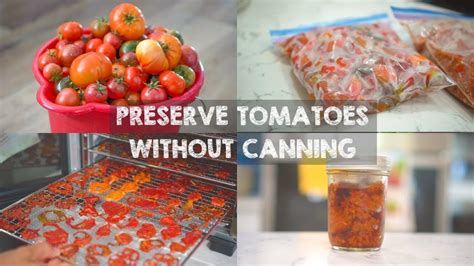
- Flash Freeze: Place tomatoes in a single layer on a baking sheet lined with parchment paper. Freeze until solid (a few hours). This prevents them from sticking together.
- Storage: Transfer the frozen tomatoes to freezer-safe bags or containers, removing as much air as possible. Label with the date.
- Usage: When ready to use, simply run warm water over the frozen tomatoes, and the skins will slip right off. They are perfect for simmering into sauces, soups, or stews.
Method 2: Tomato Puree or Crushed Tomatoes
For a head start on your sauces, you can cook and process tomatoes before freezing.
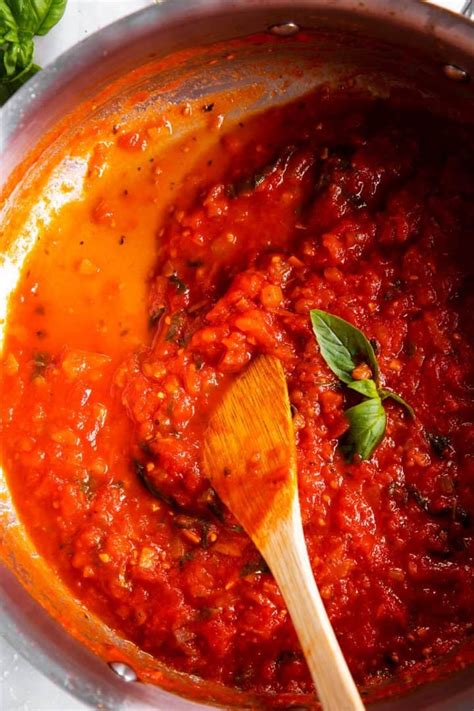
- Preparation: Wash, core, and chop tomatoes. Cook them down in a large pot until softened. Pass them through a food mill or blend for a smooth puree, or simply crush for a chunky texture.
- Cool & Freeze: Allow the mixture to cool completely. Pour into freezer-safe containers, leaving headspace for expansion. Small portions can be frozen in ice cube trays then transferred to bags.
- Usage: Thaw and use as a base for pasta sauces, chili, or any recipe calling for canned tomatoes.

Canning: Long-Term Shelf Stability
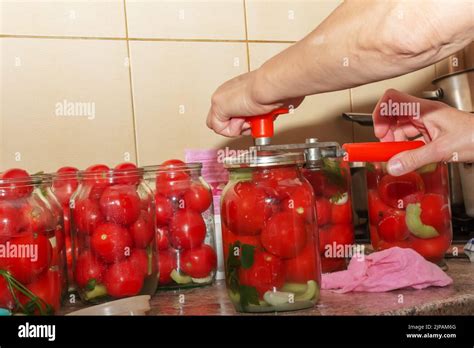
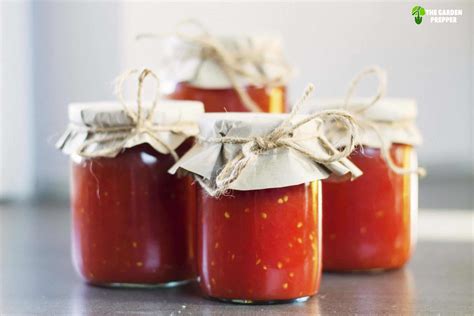
Canning offers the advantage of shelf-stable storage, meaning you don’t need freezer space. It requires more specific equipment and adherence to safety guidelines, typically using a water bath canner for acidic tomatoes.
Method: Crushed or Diced Tomatoes for Sauce
- Equipment: You’ll need canning jars, lids, rings, a jar lifter, a funnel, and a water bath canner.
- Preparation: Wash, core, peel, and chop tomatoes. (To peel, blanch in boiling water for 30-60 seconds, then plunge into ice water.)
- Cooking: Gently simmer the chopped tomatoes, crushing them as they soften. Add a small amount of lemon juice or citric acid to each jar to ensure proper acidity for water bath canning.
- Packing: Ladle hot tomatoes into hot, sterilized jars, leaving appropriate headspace (usually ½ inch). Remove air bubbles. Wipe rims clean, place lids and rings.
- Processing: Process jars in a boiling water bath canner for the recommended time for your altitude and jar size.
- Cooling & Storage: Remove jars, cool undisturbed for 12-24 hours. Check seals. Store in a cool, dark place.
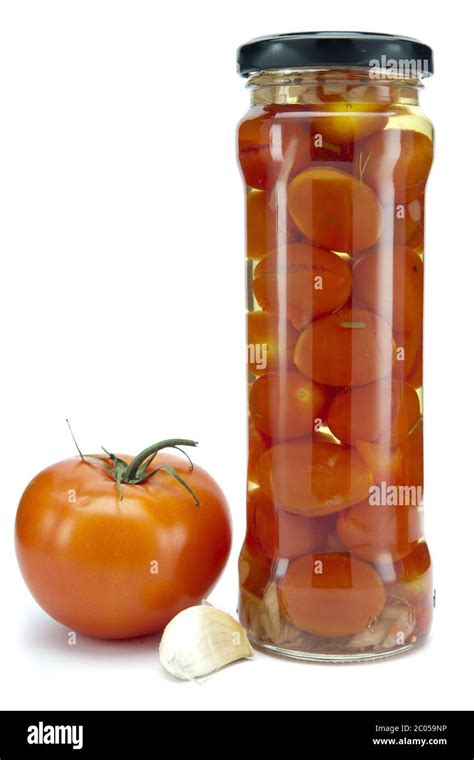
Roasting: Intensifying Flavor
Roasting tomatoes before freezing or canning is a fantastic way to deepen their flavor, creating a rich, caramelized base perfect for robust sauces.
Method: Roasted Tomato Puree
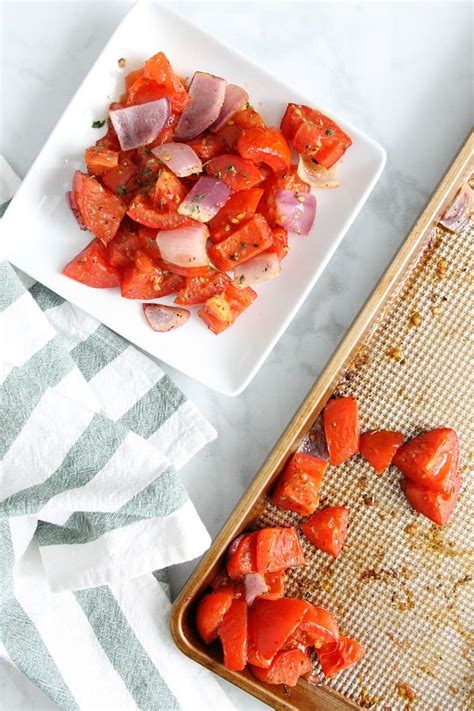
- Preparation: Halve or quarter tomatoes, toss with a little olive oil, salt, and pepper. You can add garlic, onions, or herbs for extra flavor.
- Roasting: Spread tomatoes on a baking sheet and roast at 350-400°F (175-200°C) until softened and slightly caramelized, about 45-75 minutes.
- Processing: Once cooled, you can blend the roasted tomatoes into a puree.
- Preservation: Freeze the roasted puree in bags or containers, or proceed with canning instructions for a rich, smoky sauce base.
Which Method is Best for You?
For sheer ease and speed, freezing whole or crushed tomatoes is often the ‘best’ method for busy individuals. It preserves the fresh flavor well and simplifies the cooking process later. If you prioritize pantry storage and have a larger harvest, canning diced or crushed tomatoes is an excellent choice. And for those who crave a richer, more complex flavor profile, roasting tomatoes before freezing or canning is a game-changer for your winter sauces.
No matter which method you choose, preserving your garden tomatoes ensures you’ll enjoy the taste of summer sunshine in your meals all year long.