
Best method for preserving garden tomatoes for winter sauces?

Harvesting Your Bounty for Winter Warmth
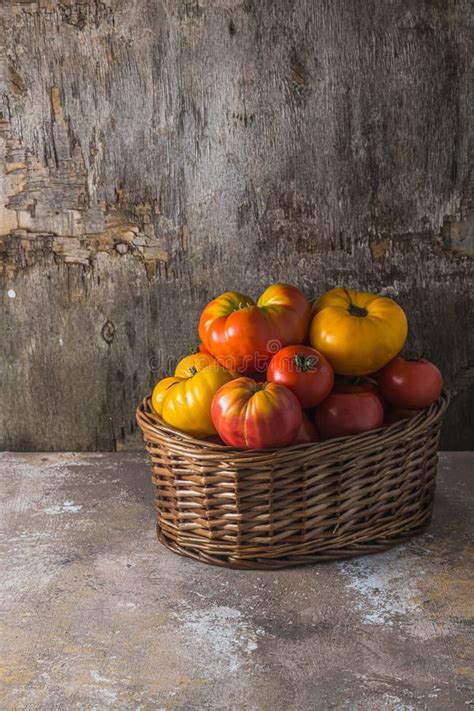
There’s nothing quite like the taste of sun-ripened garden tomatoes. As the growing season winds down, the challenge shifts from nurturing to preserving that vibrant flavor for the colder months. For many home cooks, the ultimate goal is a rich, homemade winter sauce that captures the essence of summer. But what’s the best method to ensure your precious harvest makes it to the sauce pot?
This article explores the top techniques for preserving garden tomatoes specifically with winter sauces in mind, weighing the pros and cons of each to help you choose the ideal approach for your kitchen.
Freezing Tomatoes: Simplicity and Freshness
Freezing is arguably the easiest and quickest way to preserve tomatoes, and it excels at retaining their fresh, vibrant flavor – perfect for sauces where you want that “just picked” taste. You have a few options when freezing:
Whole or Halved Tomatoes
- Method: Wash tomatoes, remove cores, and place them on a baking sheet to freeze solid. Once frozen, transfer them to freezer bags.
- Pros: Minimal prep time. The skin slips off easily after thawing, making peeling a breeze.
- Cons: Takes up significant freezer space.
Blanched and Peeled Tomatoes
- Method: Score the bottom of each tomato, blanch in boiling water for 30-60 seconds, then immediately transfer to an ice bath. Peel, core, and then freeze whole or diced in freezer bags.
- Pros: Ready to use directly in sauces without further peeling.
- Cons: More labor-intensive upfront.
Pureed or Crushed Tomatoes
- Method: Wash, core, and chop tomatoes. Cook them down slightly, then run through a food mill or blender to create a puree or crush. Cool completely before freezing in airtight containers or freezer bags (lay flat for efficient storage).
- Pros: Saves space, ready to become sauce immediately. Excellent for making base sauces.
- Cons: Requires upfront cooking and processing.

Canning Tomatoes: Shelf-Stable Summer Flavor
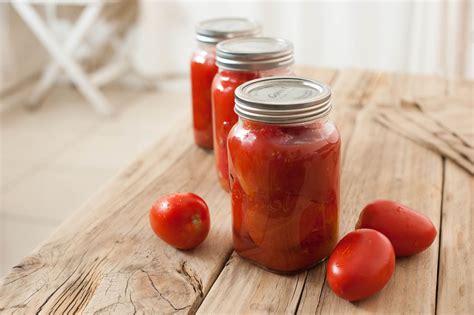
Canning offers the immense benefit of shelf-stable storage, freeing up valuable freezer space. It’s a classic method that, while more involved than freezing, yields truly satisfying results. For sauces, crushed or diced tomatoes are usually the preferred choice.
Water Bath Canning (High-Acid Tomatoes)
- Method: Wash, core, and chop tomatoes. Simmer until soft, then crush. Pack hot crushed tomatoes into hot, sterilized jars, leaving headspace. Add a touch of lemon juice or citric acid for safety (recommended for all home-canned tomatoes due to varying acidity levels). Process in a boiling water bath for the recommended time.
- Pros: Shelf-stable for a year or more. Great for large batches.
- Cons: Requires specific equipment (canner, jars, lids). Initial time investment is higher.
Pressure Canning (Low-Acid Tomatoes or Mixed Vegetables)
- Method: If you’re planning to include low-acid ingredients like onions, peppers, or carrots in your sauce base, pressure canning is the only safe method for home canning. Follow tested recipes carefully for processing times and pressures.
- Pros: Safest for low-acid foods.
- Cons: Requires a pressure canner and careful adherence to safety guidelines.
Dehydrating Tomatoes: Concentrated Flavor Power
Dehydrating tomatoes concentrates their flavor intensely, creating “sun-dried” tomatoes perfect for adding a powerful punch to sauces. While they aren’t typically the base of a sauce, they can be a phenomenal flavor enhancer.
- Method: Slice tomatoes thinly (¼ inch thick). Arrange on dehydrator trays or oven racks (lowest setting, door slightly ajar). Dry until leathery but not brittle. Store in airtight containers or olive oil.
- Pros: Incredible depth of flavor. Saves significant storage space.
- Cons: Not suitable for making a large volume of sauce base. Can be time-consuming.
The Best Method for Your Winter Sauces
Ultimately, the “best” method depends on your priorities and resources. For preserving the freshest flavor closest to straight-from-the-vine, freezing whole or pureed tomatoes is hard to beat. It’s quick, easy, and yields a bright, vibrant sauce.
If shelf-stability and large batch processing are key, canning crushed or diced tomatoes is your go-to. While more involved, the reward is a pantry stocked with ready-to-use sauce bases.
Consider a combination approach: freeze a portion for quick weeknight sauces, can another for pantry staples, and dehydrate a small batch for that intense flavor boost in special dishes. Whichever method you choose, preserving your garden’s bounty ensures you can enjoy the taste of summer sunshine in your winter sauces all year long.