




Best methods for canning garden tomatoes to prevent watery results?

Achieving Thick, Flavorful Canned Tomatoes from Your Garden
There’s nothing quite like the taste of homegrown tomatoes, and preserving that flavor through canning is a rewarding experience. However, a common frustration for home canners is ending up with watery, thin tomato products. The good news is that with a few key strategies and techniques, you can ensure your canned tomatoes are thick, rich, and bursting with concentrated flavor. The secret lies in understanding moisture management from selection to processing.
Selecting the Right Tomato Varieties
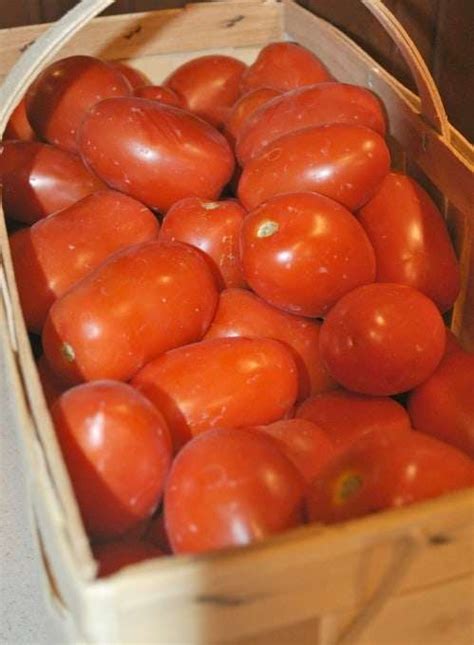
The foundation of a non-watery canned tomato product begins with your choice of tomato. Not all tomatoes are created equal when it comes to canning. Opt for ‘paste’ or ‘Roma’ type tomatoes, such as San Marzano, Amish Paste, or Roma VF. These varieties are naturally meatier, have fewer seeds, and contain less water than slicing or beefsteak tomatoes. While you can still can juicier varieties, expect more work in reducing their moisture content.
Essential Preparation Steps for Thicker Results
Proper preparation is paramount to removing excess liquid before canning, which is the leading cause of watery results.
Peeling and Seeding Your Tomatoes
Before doing anything else, most canning recipes require you to peel your tomatoes. A quick blanch in boiling water followed by an ice bath makes this task easy. While peeling, consider deseeding. Tomato seeds are surrounded by a watery gel. By cutting tomatoes in half and gently squeezing out the seeds and their surrounding liquid, you’ll significantly reduce the overall water content of your finished product. This step alone can make a huge difference.

Crushing and Draining Excess Liquid
After peeling and deseeding, many recipes call for crushing or chopping tomatoes. If you’re making a sauce or crushed tomatoes, allow the prepared tomatoes to sit in a colander set over a bowl for at least 30 minutes, or even longer in the refrigerator. This allows more free-standing liquid to drain away naturally. You’ll be surprised how much water accumulates, which you can discard or save for other culinary uses.
Cooking Methods for Concentrated Flavor
The way you cook your tomatoes before canning plays a crucial role in preventing wateriness.
Slow Simmering and Reduction
This is perhaps the most effective method for achieving thick canned tomatoes. After preparing your tomatoes, place them in a wide, heavy-bottomed pot and bring them to a gentle simmer. Cook uncovered, stirring occasionally, for several hours. The goal is to allow the steam to escape, evaporating excess water and concentrating the tomato solids and flavors. A wide pot helps with faster evaporation. The longer and slower you simmer, the thicker your product will become.

Roasting Tomatoes Before Canning
For an intensely flavored and naturally thicker product, consider roasting your tomatoes. Halve or quarter your prepared tomatoes, toss with a little olive oil, and roast them in a hot oven (around 375-400°F / 190-200°C) until they soften, release their juices, and begin to caramelize slightly. This process evaporates a lot of water and deepens their flavor before you even start simmering them on the stovetop. Once roasted, you can then proceed to simmer or directly jar for chunky roasted tomatoes.
Proper Jarring and Processing Techniques
Even with excellent preparation, incorrect jarring can sometimes lead to issues.
Packing Your Jars
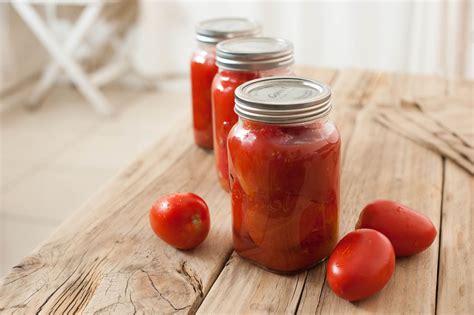
When filling jars with hot tomato product, ensure you leave the recommended headspace (usually 1/2 inch for most tomato products). Pack the solids loosely enough to allow proper heat penetration, but avoid overpacking with liquid that hasn’t been adequately reduced. Use a bubble remover tool to release any trapped air bubbles, which can also help prevent liquid separation during storage.
Processing for Stability
Always follow tested, up-to-date canning recipes for processing times and methods (water bath or pressure canning). While processing doesn’t thicken your product, it ensures safety and proper sealing. After processing, allow jars to cool undisturbed for 12-24 hours. Any further thickening after opening will occur as you cook with them.
Conclusion
By thoughtfully selecting your tomatoes, meticulously preparing them to remove excess water, and employing reduction-focused cooking methods, you can consistently achieve deliciously thick and flavorful canned tomatoes. Say goodbye to watery results and hello to the rich, concentrated taste of your garden’s bounty all year long. Happy canning!