Best methods for fermenting garden vegetables for long-term real food storage?

Embracing Fermentation for Abundant Harvests
For those living the country life, a bountiful garden is a source of immense satisfaction. But what to do with that surplus when the harvest comes in full swing? While canning and freezing are common methods, fermenting vegetables offers a unique blend of preservation, enhanced nutrition, and incredible flavor. It’s a time-honored tradition that turns fresh produce into vibrant, living foods, perfect for long-term real food storage without relying on electricity or extensive equipment.
Fermentation, specifically lacto-fermentation, uses beneficial bacteria to transform vegetables. These microbes break down sugars, producing lactic acid, which not only preserves the food but also creates unique flavors and makes nutrients more bioavailable. This process also introduces probiotics, supporting gut health, a key aspect of holistic well-being.
The Science and Art of Lacto-Fermentation
At its heart, lacto-fermentation is simple: vegetables, salt, water, and time. The salt creates an anaerobic environment, inhibiting spoilage microbes and allowing lactic acid bacteria (LAB) to thrive. These bacteria, naturally present on the surface of vegetables, do the magic.
Brine Fermentation: The Classic Approach
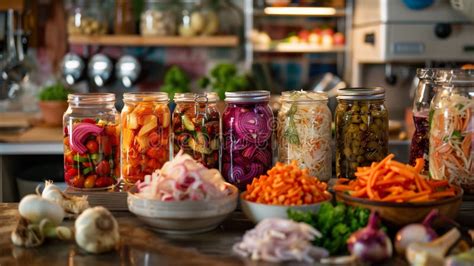
This method involves submerging vegetables in a saltwater solution (brine). It’s ideal for whole vegetables or larger pieces like cucumbers, green beans, carrots, and peppers. The typical salt concentration ranges from 2-5% (by weight of water). A good starting point is 2 tablespoons of non-iodized salt per quart of non-chlorinated water. Ensure your vegetables are fully submerged beneath the brine to prevent mold formation. Weights, like clean stones or glass fermentation weights, are often used for this purpose.
Dry Salting: Crafting Krauts and Kimchis
For vegetables with high water content, such as cabbage for sauerkraut or various vegetables for kimchi, dry salting is an excellent choice. Here, you finely chop or shred the vegetables, then massage them thoroughly with salt. The salt draws out moisture from the vegetables, creating their own brine. This method results in intensely flavored ferments with a crisp texture. The salt ratio is crucial here, usually around 1.5-2.5% of the vegetable’s weight.

Essential Steps for Fermentation Success
Regardless of the method, adherence to a few key principles will ensure successful ferments:
- Cleanliness: Always use thoroughly cleaned jars, crocks, and utensils. While sanitation isn’t as strict as canning (the beneficial bacteria protect against spoilage), general cleanliness is vital.
- Quality Ingredients: Start with fresh, firm, blemish-free vegetables. Use non-iodized salt (sea salt, pickling salt, kosher salt) as iodine can inhibit fermentation. Non-chlorinated water is also critical, as chlorine can kill beneficial bacteria.
- Proper Salting: Too little salt can lead to spoilage; too much can slow or stop fermentation. Stick to recommended ratios.
- Anaerobic Environment: Oxygen is the enemy of lacto-fermentation. Ensure vegetables are submerged under brine or tightly packed. Airlocks or fermentation lids are excellent tools to allow gases to escape without letting oxygen in.
- Temperature Control: Most ferments do best at cool room temperatures (60-75°F or 15-24°C). Warmer temperatures speed up fermentation but can lead to softer results; cooler temperatures slow it down.
Selecting Your Garden Bounty for Fermentation
Almost any vegetable can be fermented! Popular choices include:
- Cabbage: Classic for sauerkraut and kimchi.
- Cucumbers: Delicious lacto-fermented pickles.
- Carrots: Sweet and tangy fermented sticks or shredded.
- Green Beans: Crisp and addictive dilly beans.
- Beets: Earthy and probiotic-rich beet kvass or fermented slices.
- Radishes, Peppers, Cauliflower, Broccoli: All lend themselves well to brining.
Storing Your Fermented Treasures
Once your vegetables have fermented to your liking (this can take anywhere from a few days to several weeks, depending on temperature and vegetable type), move them to cold storage. A refrigerator, root cellar, or any cool, dark place below 50°F (10°C) will significantly slow down the fermentation process, preserving the texture and flavor for many months, even up to a year or more. Jars sealed with regular lids work perfectly for storage.
Conclusion
Fermenting your garden vegetables is a rewarding skill that aligns perfectly with country living principles. It’s an accessible, sustainable, and incredibly healthy way to preserve your harvest, ensuring your family has access to real, nutrient-dense food all year long. Embrace the bubbling magic of fermentation and enjoy the diverse flavors and health benefits it brings to your table.