


Best methods for keeping homemade biscuits light and fluffy?

The Quest for Perfectly Light and Fluffy Biscuits
There’s nothing quite like a batch of warm, homemade biscuits – tender on the inside, golden on the outside, and incredibly fluffy. While the concept seems simple, achieving that coveted lightness and flakiness consistently can be a culinary challenge. It involves a blend of science and technique, from ingredient temperature to how you handle the dough. This guide will walk you through the essential methods to ensure every biscuit you bake is a cloud of deliciousness.
Understanding the fundamental principles behind biscuit making is the first step. The goal is to create tiny pockets of steam and air within the dough, which expand during baking to give biscuits their characteristic rise and tender texture. Let’s dive into the best practices.
Mastering Cold Ingredients
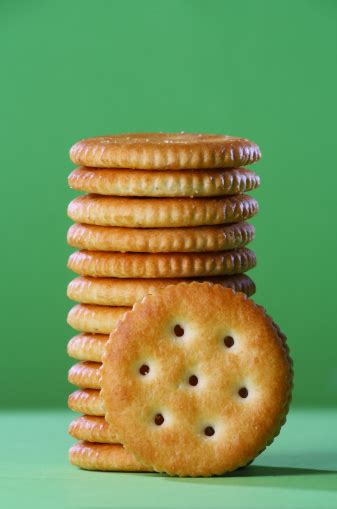
One of the most critical factors for light and fluffy biscuits is the temperature of your ingredients, especially the fat. Cold ingredients are paramount because they prevent the fat (butter or shortening) from melting into the flour before baking.
Chilled Butter or Shortening is Key
When cold butter or shortening is cut into small pieces and incorporated into the flour, it creates tiny pockets of fat. As the biscuits bake, these pieces melt and release steam, pushing the layers of dough apart and creating that desirable flaky, airy texture. If your fat is too warm, it will fully incorporate into the flour, resulting in a dense, cake-like biscuit.
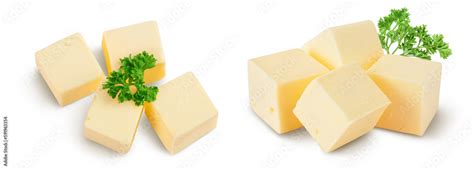
Always use very cold butter, straight from the refrigerator, or even briefly frozen. Cut it into small cubes or grate it before mixing. If using shortening, ensure it’s firm and cold.
Cold Liquids are Essential
Just like the fat, your liquid ingredients (typically buttermilk or milk) should be ice cold. Cold liquid helps to keep the fat chilled and also slows down gluten development, which can make biscuits tough. Buttermilk, in particular, is highly recommended due to its acidity, which reacts with baking soda to produce extra lift and a tender crumb.
The Art of Minimal Handling
Overworking biscuit dough is a common pitfall that leads to tough, dense biscuits. Flour contains gluten, a protein that develops elasticity when kneaded or worked extensively. For light biscuits, you want minimal gluten development.
Mix your ingredients just until they come together. The dough should still look a bit shaggy, with visible pieces of butter. Avoid kneading the dough vigorously. The less you handle it, the more tender your biscuits will be. When patting out the dough, use gentle hands and avoid pressing too hard.
Effective Leavening Agents
Leavening agents are what give biscuits their rise. Most biscuit recipes call for baking powder, and sometimes baking soda, especially if using buttermilk.
Ensure your baking powder is fresh. Old baking powder loses its potency and won’t give your biscuits the lift they need. Check the expiration date. When using baking soda, remember it requires an acid (like buttermilk) to activate and produce carbon dioxide gas, which helps the biscuits rise. Using both can create a powerful leavening effect, contributing to a wonderfully light texture.
Folding and Cutting Techniques
The Laminating Fold
Many professional bakers use a laminating or folding technique to create layers, similar to puff pastry. After gently mixing the dough, lightly pat it into a rectangle. Fold one-third of the dough over the middle, then fold the other third over that (like a letter). Gently pat it down and repeat this process 2-3 times. This creates distinct layers that separate beautifully during baking, resulting in incredibly flaky biscuits.
Straight Down Cut
When cutting biscuits, use a sharp biscuit cutter or even a knife, and press straight down without twisting. Twisting the cutter can seal the edges of the biscuit, preventing it from rising evenly and fully. A clean, straight cut allows the layers to puff up unhindered.

Optimal Baking Environment
Biscuits love a hot oven! Preheat your oven to a high temperature, typically between 425°F and 450°F (220°C-230°C). The initial blast of high heat helps to rapidly activate the leavening agents and quickly melts the cold fat, creating a burst of steam that lifts the biscuit layers.
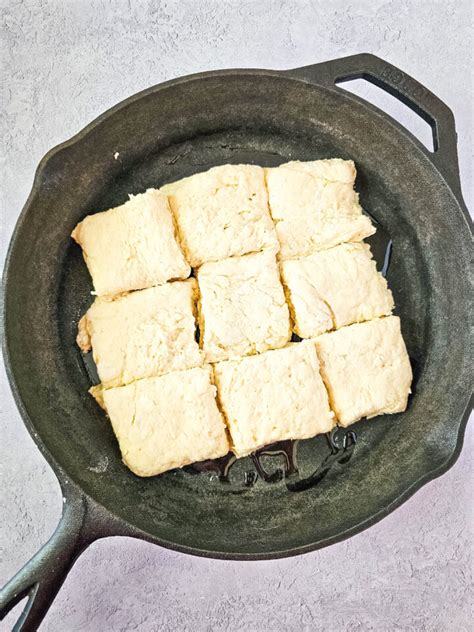
Baking on a metal baking sheet helps conduct heat efficiently to the bottom of the biscuits, ensuring a golden crust. Place biscuits relatively close together on the pan; this helps them rise taller as they support each other.
Conclusion: Your Fluffy Biscuit Journey
Crafting light and fluffy homemade biscuits is a rewarding experience that combines a few key principles. By consistently using cold ingredients, handling your dough gently, ensuring fresh leavening agents, employing smart folding and cutting techniques, and baking in a hot oven, you’ll be well on your way to baking perfect biscuits every time. Experiment with these methods, find what works best in your kitchen, and enjoy the delicious fruits of your labor!