Best methods for naturally preserving abundant garden produce?

There’s immense satisfaction in harvesting a garden bursting with fresh produce. But with abundance comes the challenge: how to enjoy your hard-earned bounty long after the growing season ends? The answer lies in natural preservation methods – techniques that have nourished families for centuries, allowing you to extend the lifespan of your fruits, vegetables, and herbs without relying on artificial additives or chemicals.
Embracing Nature’s Bounty: Why Preserve Naturally?
Choosing natural preservation methods for your garden produce offers numerous benefits. Firstly, you maintain control over what goes into your food, ensuring it remains free from artificial colors, flavors, and preservatives often found in store-bought alternatives. Secondly, it often locks in superior flavor and nutritional value, as produce is preserved at its peak freshness. Finally, it fosters sustainability, reducing waste and strengthening your connection to the food you eat.
Time-Honored Techniques for Your Garden Goodies
From ancient practices to modern adaptations, here are some of the most effective and natural ways to preserve your garden’s yield.
1. Dehydration: Sun, Air, or Machine
Dehydration is one of the oldest forms of food preservation, simply involving the removal of water content to inhibit microbial growth. This method concentrates flavors and nutrients, making dried produce an excellent pantry staple.
- What to Dry: Herbs (oregano, basil, thyme), fruits (apples, berries, peaches), vegetables (tomatoes, peppers, zucchini slices).
- Methods: Sun-drying (requires hot, dry climates), electric dehydrators (most consistent and reliable), or even a very low-temperature oven with the door ajar.
- Tips: Slice produce uniformly for even drying. Ensure food is completely dry and brittle before storing in airtight containers to prevent spoilage.

2. Fermentation: The Art of Live Preservation
Fermentation is a transformative process where beneficial bacteria convert sugars into lactic acid, creating an acidic environment that preserves food and enhances its flavor and nutritional profile. It’s fantastic for gut health!
- Examples: Sauerkraut (fermented cabbage), kimchi (spicy Korean fermented vegetables), lacto-fermented pickles, fermented hot sauces.
- Tips: Use good quality salt (non-iodized), ensure vegetables are fully submerged in brine to prevent mold, and use airlocks or burp jars regularly.
3. Canning: Sealing in Freshness
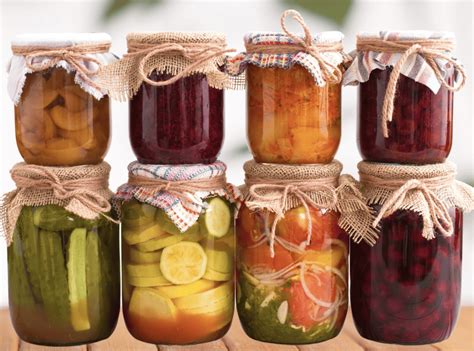
Canning involves heating food in sealed jars to a temperature that destroys spoilage organisms and creates a vacuum seal. It’s a reliable way to store a wide variety of foods for long periods.
- Methods: Water bath canning (for high-acid foods like jams, jellies, most fruits, pickles, and tomatoes with added acid) and pressure canning (essential for low-acid foods like vegetables, meats, and soups).
- Safety First: Always follow tested, up-to-date recipes from reliable sources (e.g., USDA Extension offices) to ensure food safety, especially when pressure canning.

4. Freezing: Simple and Versatile
Freezing is arguably the easiest and most accessible method for preserving many garden vegetables and fruits. It halts microbial growth and enzyme activity, retaining much of the fresh flavor and nutrients.
- What to Freeze: Berries, corn, peas, green beans, blanched broccoli and cauliflower, sliced peppers, fruit purees.
- Tips: Most vegetables benefit from blanching (briefly boiling then rapidly cooling in ice water) before freezing to preserve color, texture, and nutrients. Flash freeze individual pieces on a tray before transferring to freezer bags to prevent clumping. Remove as much air as possible from packaging.

5. Cool Storage & Root Cellaring
Some crops, particularly root vegetables and certain fruits, thrive in cool, dark, and slightly humid conditions, making them ideal candidates for simple cool storage or a dedicated root cellar if you have one.
- Examples: Potatoes, carrots, beets, apples, onions, garlic, winter squash.
- Conditions: A cool basement, unheated garage, or dedicated root cellar can provide the ideal environment. Ensure good air circulation and protection from rodents.
Tips for Successful Natural Preservation
- Start with Quality: Always use the freshest, highest-quality produce available. Bruised or overripe produce is less likely to preserve well.
- Cleanliness is Key: Sanitize all equipment, jars, and surfaces to prevent contamination.
- Label and Date: Clearly label all preserved goods with the item and date of preservation. This helps with inventory and ensures you consume them within their optimal shelf life.
- Experiment: Don’t be afraid to try different methods and recipes to find what works best for your garden produce and your family’s preferences.
By embracing these natural preservation methods, you can transform your garden’s temporary bounty into a year-round supply of wholesome, delicious food. Enjoy the fruits (and vegetables!) of your labor long after the last harvest.