


Best methods for naturally preserving garden surplus in country kitchens?

The bounty of a thriving garden is one of life’s purest joys, especially when nestled in the heart of a country kitchen. As seasons turn and produce overflows, the age-old dilemma of how to preserve this abundance naturally, without relying on industrial methods, becomes paramount. For those embracing the charm and self-sufficiency of country living, there’s a deep satisfaction in transforming fresh harvest into pantry staples using time-honored techniques. These methods not only extend the life of your produce but also infuse your kitchen with delightful aromas and a sense of connection to the land.
The Timeless Art of Canning and Jarring
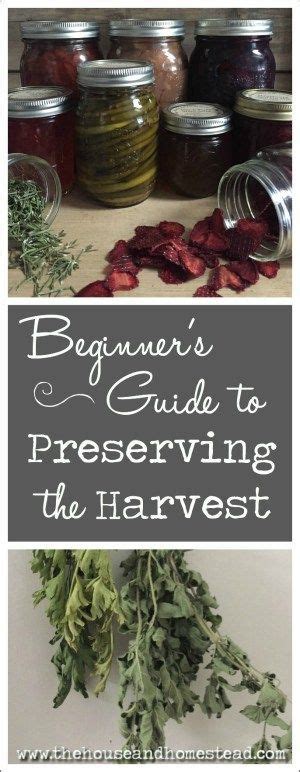
Canning stands as a cornerstone of garden preservation. Whether it’s the bubbling warmth of a water bath canner for high-acid foods like fruits and tomatoes, or the secure seal of a pressure canner for low-acid vegetables such as green beans and corn, this method ensures your summer flavors last through winter. Imagine opening a jar of homemade tomato sauce or peach preserves, tasting sunshine on a snowy day.
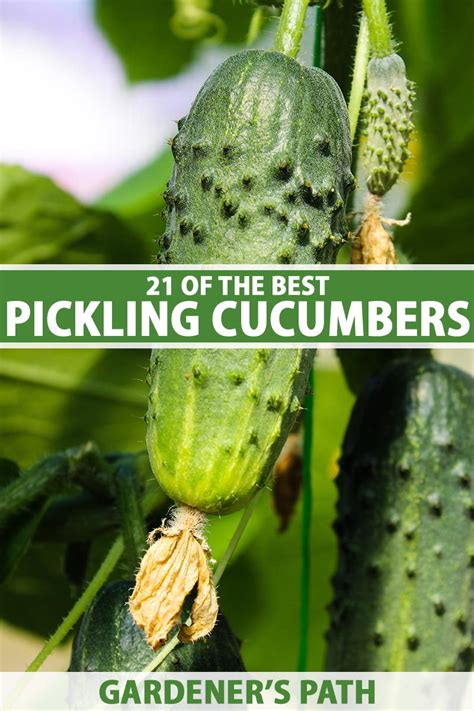
From sweet jams and jellies crafted from berries and stone fruits to savory relishes and chutneys, canning offers endless possibilities. Beyond fruits, pickling is another beloved jarring technique. Cucumbers transform into tangy dill pickles, while beets, green beans, and even carrots can be preserved in vinegary brine, adding a zesty crunch to meals.

The Simplicity of Drying and Dehydrating
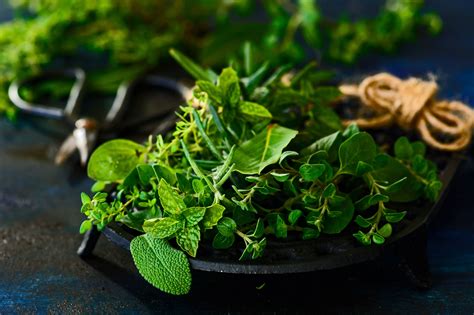
One of the oldest preservation methods, drying, concentrates flavors and removes moisture, inhibiting spoilage. Herbs like basil, oregano, and thyme are ideal for air-drying, hung in fragrant bunches in a well-ventilated country kitchen. Fruits such as apples, pears, and berries can be sliced and sun-dried or oven-dried at low temperatures, resulting in chewy, sweet snacks.
For more consistent results and larger batches, a dedicated food dehydrator is a valuable tool. Dehydrated vegetables like bell peppers, onions, and even diced carrots can be rehydrated for soups and stews, making them pantry powerhouses. This method is particularly efficient for reducing bulk and saving storage space.
Fermentation: A Living Tradition
Fermentation is a fascinating and healthful way to preserve vegetables, creating probiotic-rich foods that enhance gut health. Through the magic of beneficial bacteria, simple ingredients like cabbage, salt, and water transform into tangy sauerkraut. Similarly, cucumbers can be turned into lacto-fermented pickles, a vibrant alternative to their vinegared cousins.
Beyond sauerkraut and pickles, explore kimchi, fermented carrots, or even making your own kombucha or kefir. The process typically involves submerging vegetables in a brine in a crock or jar, allowing natural microbes to do their work. It’s a low-energy, high-reward method that brings unique flavors and nutritional benefits to your table.

Root Cellaring and Cool Storage Solutions
For certain hardy vegetables and fruits, cool, dark, and slightly humid conditions can extend their freshness for months without any processing. A traditional root cellar is the epitome of natural storage, ideal for potatoes, carrots, beets, parsnips, and winter squash. Apples also thrive in such environments, maintaining crispness.
Even without a dedicated underground cellar, a cool, unheated basement corner, a well-insulated shed, or even an earth mound can serve as an effective storage solution for many root crops. Proper ventilation and humidity control are key to preventing spoilage and sprouting. This method is incredibly energy-efficient and keeps produce in its most natural state.
Freezing with Purpose
While often seen as a modern method, freezing, when done thoughtfully, can be a highly effective and natural way to preserve garden produce. Blanching vegetables like green beans, broccoli, and peas before freezing helps retain their color, flavor, and texture. Fruits can be flash-frozen whole (berries) or puréed into sauces and stored in freezer-safe containers.
Herbs can be chopped and frozen in ice cube trays with a little water or oil, ready to be added to winter dishes. Freezing allows you to capture the peak freshness of your harvest with minimal intervention, making it a convenient choice for busy country kitchens aiming to enjoy garden flavors year-round.
Embracing these natural preservation methods in your country kitchen is more than just a practical solution to garden surplus; it’s a way to reconnect with culinary heritage, savor the seasons, and ensure your pantry is stocked with wholesome, homemade goodness. Each jar, dried herb, or stored root vegetable tells a story of sustainable living and the timeless joy of self-sufficiency.