Best methods for preserving a huge summer tomato harvest without canning?

Embracing the Abundance: Canning-Free Tomato Preservation
Summer brings with it the glorious bounty of sun-ripened tomatoes, often in quantities that can feel overwhelming. While traditional canning is a time-honored method, it’s not the only way to preserve this luscious fruit. For those seeking simpler, less equipment-intensive, or simply different approaches, there are numerous fantastic alternatives to ensure you can savor the taste of summer long after the season ends. These methods not only save time and effort but also capture the vibrant flavor of fresh tomatoes beautifully.

The Simplicity of Freezing Tomatoes
Freezing is arguably the easiest and most versatile method for preserving large quantities of tomatoes. It requires minimal preparation and no special equipment beyond freezer-safe bags or containers.
- Whole or Halved: For simple future use in sauces or stews, wash tomatoes, remove cores, and freeze them whole or halved on baking sheets until solid. Once frozen, transfer them to freezer bags. The skins will slip off easily under warm water when you’re ready to use them.
- Pureed or Sauced: Cook down ripe tomatoes into a basic sauce or puree. You can strain it for a smoother consistency. Let it cool completely, then pour into freezer bags (lay flat for efficient storage) or freezer-safe containers. This is perfect for making quick pasta sauces, soups, or chilis later.
- Diced: Dice fresh tomatoes and spread them on a baking sheet to freeze individually. Once solid, transfer to freezer bags. This prevents them from clumping together, making it easy to grab just what you need.

Dehydrating for Concentrated Flavor
Dehydrating tomatoes concentrates their flavor into chewy, intense bites perfect for adding to salads, pasta, or rehydrating for sauces. You can use a food dehydrator, a low oven, or even the sun in hot, dry climates.
- Preparation: Wash and slice tomatoes (preferably plum or Roma varieties) about 1/4 inch thick. You can remove seeds for faster drying, but it’s not essential.
- Dehydrator Method: Arrange slices on dehydrator trays, ensuring good airflow. Dry at 135°F (57°C) for 8-12 hours, or until leathery and pliable but not brittle.
- Oven Method: Place slices on parchment-lined baking sheets. Dry in an oven set to its lowest temperature (170-200°F / 75-90°C) with the door slightly ajar to allow moisture to escape. This can take 6-12 hours, so check frequently.
- Storage: Once completely dry, store in airtight containers in a cool, dark place. For longer preservation, pack them in olive oil with herbs and garlic, ensuring the tomatoes are fully submerged.

Roasting for Deep, Smoky Goodness
Roasting tomatoes brings out their natural sweetness and caramelizes their sugars, creating a rich, smoky flavor profile. These can then be frozen for later use.
- Process: Halve or quarter your tomatoes. Toss them with a little olive oil, salt, pepper, and optional herbs like oregano or basil. Spread them in a single layer on a baking sheet.
- Baking: Roast at 375-400°F (190-200°C) for 45-60 minutes, or until softened, slightly charred, and fragrant.
- Freezing: Let the roasted tomatoes cool completely. You can freeze them whole or chopped, or blend them into a rich, ready-to-use sauce. Store in freezer-safe containers or bags. They are fantastic in winter soups, stews, or as a base for pasta dishes.

Fermenting for Probiotic-Rich Preservation
Fermentation is an ancient preservation technique that not only extends the life of tomatoes but also creates probiotic-rich foods with unique tangy flavors. This method does not involve heat and can be done with simple ingredients.
- Whole or Halved: Place small, firm tomatoes (like cherry or Roma) into clean glass jars. Add flavorings like garlic, dill, or chili flakes.
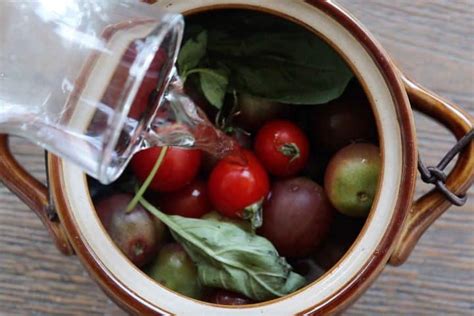
- Brine: Prepare a brine solution (e.g., 2-3 tablespoons of non-iodized salt per quart of non-chlorinated water). Pour the brine over the tomatoes, ensuring they are fully submerged. Use a fermentation weight or a small bag filled with brine to keep them under the liquid.
- Fermentation: Cover the jars loosely or use an airlock lid. Let them ferment at room temperature (65-75°F / 18-24°C) for 5-14 days. Burp jars daily if not using an airlock. The brine will become cloudy, and bubbles will appear. Taste periodically until desired tanginess is achieved.
- Storage: Once fermented to your liking, move the jars to the refrigerator, where they will last for several months.
Conclusion
A bountiful summer tomato harvest doesn’t have to lead to canning fatigue. By exploring these diverse and accessible preservation methods, you can easily transform your fresh tomatoes into delicious, long-lasting ingredients. Whether you opt for the convenience of freezing, the intense flavor of dehydrating, the depth of roasting, or the probiotic benefits of fermenting, you’ll be well-equipped to enjoy the taste of summer tomatoes in your cooking all year round, bringing garden-fresh goodness to your table without a canner in sight.