Best methods for preserving excess garden tomatoes without complex equipment?
Harnessing Your Tomato Harvest with Simplicity
The summer garden often blesses us with an abundance of ripe, juicy tomatoes – sometimes more than we can possibly eat fresh. Rather than letting this delicious bounty go to waste, preserving tomatoes is a rewarding country living skill that extends their vibrant flavor well into the colder months. The good news is, you don’t need fancy gadgets or intimidating equipment to do it. With a few basic kitchen tools and some clever techniques, you can enjoy your garden’s goodness all year long.
The Easiest Method: Freezing Tomatoes
Freezing is arguably the simplest and most equipment-free way to preserve tomatoes, maintaining much of their fresh taste and nutritional value. This method works wonderfully for all types of tomatoes, whether you plan to use them in sauces, soups, or stews.
Whole or Halved Tomatoes
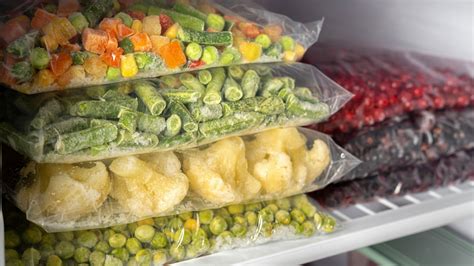
For minimal effort, wash your tomatoes and remove the core. For smaller varieties like cherry tomatoes, you can freeze them whole. Larger tomatoes can be halved or quartered. Arrange them in a single layer on a baking sheet lined with parchment paper, then place in the freezer until solid. Once frozen, transfer the individual tomatoes to freezer-safe bags or containers, squeezing out as much air as possible to prevent freezer burn. They can be stored for up to a year. When ready to use, simply run them under warm water, and their skins will slip right off, making them perfect for cooking.
Chopped or Puréed Tomatoes
If you prefer ready-to-use ingredients, blanch and peel your tomatoes first (a quick dip in boiling water followed by an ice bath makes peeling easy). Then chop them, purée them, or crush them. You can even simmer them briefly to reduce some of the moisture and intensify the flavor before freezing. Store these in freezer bags or containers, leaving a little headspace if using rigid containers, as liquids expand when frozen.

Sun or Oven Drying for Intense Flavor
Drying tomatoes concentrates their flavor into chewy, sweet morsels perfect for salads, pasta, or snacking. While traditional sun-drying requires consistent hot, dry weather, an oven at its lowest setting (or a simple food dehydrator if you have one, but it’s not strictly necessary) can achieve similar results.
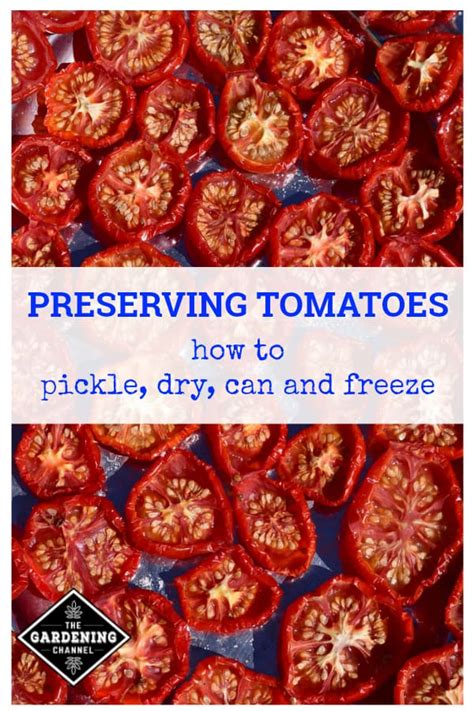
Wash and slice tomatoes (roma or paste tomatoes work best) into 1/4-inch thick pieces. Arrange them in a single layer on baking sheets lined with parchment paper. If using an oven, set it to the lowest possible temperature (usually 150-200°F or 65-93°C) and prop the door open slightly with a wooden spoon to allow moisture to escape. Drying can take 6-12 hours or more, depending on the thickness of the slices and oven temperature. Flip them occasionally. Tomatoes are done when they are leathery and pliable, with no visible moisture. Store dried tomatoes in airtight containers in a cool, dark place, or for longer storage, in the refrigerator or freezer.
Slow-Roasted Tomatoes: A Flavor Bomb
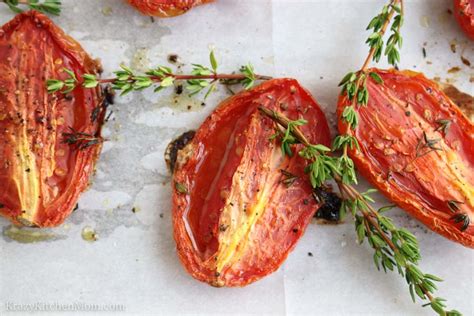
Roasting tomatoes brings out their natural sweetness and creates a rich, concentrated flavor that’s hard to beat. This method is incredibly simple and results in a versatile ingredient you can add to almost anything.
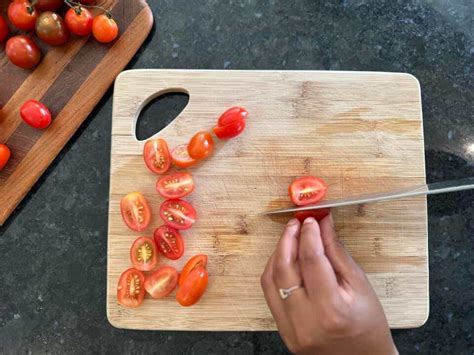
Halve or quarter your tomatoes. Toss them with a drizzle of olive oil, a pinch of salt, and pepper (optional herbs like oregano or thyme can be added). Spread them in a single layer on a baking sheet. Roast in a low oven (around 250-300°F or 120-150°C) for 2-4 hours, or until they are shrunken, slightly caramelized, and intensely flavorful. Let them cool, then transfer to freezer-safe containers. You can cover them with a layer of olive oil before freezing for added flavor and preservation. Thaw and use in pasta sauces, sandwiches, or as a side dish.
Simple Cooked Tomato Sauce or Paste for Freezing
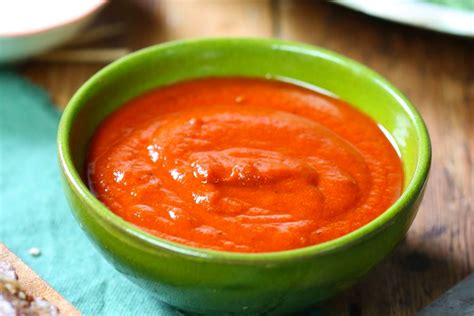
Making a basic tomato sauce or paste from scratch is a fantastic way to process a large batch of tomatoes. The process is straightforward and doesn’t require any special equipment beyond a large pot.
Wash, core, and roughly chop your tomatoes. Place them in a large, heavy-bottomed pot. Bring to a simmer over medium heat, then reduce heat to low and let them cook, stirring occasionally, until they break down and release their juices. This could take an hour or two. For a smoother sauce, you can run the cooked mixture through a food mill or sieve to remove seeds and skins (though leaving them in adds fiber and texture). Continue to simmer the sauce, uncovered, until it reaches your desired consistency – thinner for sauce, thicker for paste. Season with salt to taste. Once cooled, spoon the sauce or paste into freezer-safe containers or bags. Freeze flat for easy storage. This homemade base is perfect for pizzas, stews, or pasta dishes.
Enjoying Your Hard Work Year-Round
Preserving tomatoes using these simple, equipment-free methods not only prevents waste but also provides a delicious taste of summer long after the garden has faded. Each method offers a unique flavor profile and texture, giving you a diverse pantry of homemade goodness. Experiment to find your favorites, and revel in the satisfaction of enjoying your garden’s bounty throughout the year.