Best methods for preserving garden bounty without a pressure canner?

Harnessing Your Harvest: Pressure Canner-Free Preservation Techniques
The bounty of a flourishing garden is one of life’s greatest satisfactions. However, turning that abundance into pantry staples often brings up the question of preservation, especially for those without a pressure canner. Fear not, as there’s a wealth of time-honored and modern methods to safeguard your produce, ensuring you enjoy your homegrown goodness long after the growing season ends. Let’s delve into the best ways to preserve your garden’s yield without ever needing a pressure canner.

1. Freezing: The Easiest Option for Most Produce
Freezing is arguably the simplest and most effective way to preserve a wide variety of fruits and vegetables, often retaining much of their flavor, texture, and nutritional value. Most vegetables require blanching (briefly boiling and then shocking in ice water) before freezing to stop enzyme action that can degrade quality. Fruits, on the other hand, can often be frozen raw, either whole, sliced, or as purees.
From berries and peaches to corn, peas, and green beans, the freezer is a versatile tool. Simply wash, prepare (slice, dice, blanch if necessary), and pack your produce into freezer-safe bags or containers, removing as much air as possible to prevent freezer burn. Label with the date and contents for easy identification.
2. Dehydrating: Concentrating Flavors and Nutrients
Dehydration removes water content, inhibiting spoilage and concentrating natural flavors. This method is excellent for herbs, fruits (making fruit leather or dried apples), and even some vegetables like tomatoes, mushrooms, and zucchini chips. While a dedicated food dehydrator offers the best control, an oven set to its lowest temperature with the door slightly ajar can also work, albeit slower.
The key to successful dehydration is consistent, low heat and good air circulation. Ensure your produce is thinly and uniformly sliced for even drying. Once fully dry and brittle, store in airtight containers in a cool, dark place.
3. Water Bath Canning: Perfect for High-Acid Foods
Water bath canning is a safe and reliable method for preserving high-acid foods. This includes most fruits, fruit juices, jams, jellies, fruit butters, pickles, chutneys, vinegars, and tomatoes (often with added acid like lemon juice or citric acid). The high acidity prevents the growth of harmful bacteria, and the boiling water bath creates a vacuum seal.
You’ll need specific canning jars, lids, bands, and a large pot with a rack that can fully immerse the jars in boiling water. Always follow tested recipes from reliable sources like the USDA National Center for Home Food Preservation to ensure safety and quality.

4. Fermentation: Ancient Art, Modern Delights
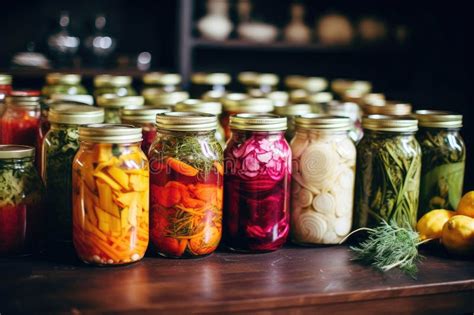
Fermentation is a fantastic way to preserve vegetables while also enhancing their flavor and nutritional profile. Lacto-fermentation, in particular, uses beneficial bacteria to convert sugars into lactic acid, which acts as a natural preservative. Sauerkraut, kimchi, and various pickled vegetables (e.g., dill pickles, carrots, green beans) made with a salt brine are classic examples.
This method requires minimal equipment – typically just jars, salt, water, and your chosen vegetables. It’s a living food, rich in probiotics, and offers unique tangy flavors. Ensure your fermenting environment is clean and that your vegetables remain submerged in the brine to prevent mold.
5. Root Cellaring and Cool Storage: Nature’s Refrigerator
For certain root vegetables and fruits, cool, dark, and moderately humid conditions can extend their freshness for months. Think of potatoes, carrots, onions, garlic, apples, and winter squash. If you don’t have a traditional root cellar, a cool basement, an unheated closet, or even a garage can serve as suitable storage areas, provided temperatures remain above freezing and humidity is manageable.
Ensure produce is clean, cured if necessary (like onions and squash), and free from blemishes before storing. Proper air circulation and periodic checks for spoilage are crucial for long-term success.

6. Oil & Vinegar Infusions: Flavorful Preservatives
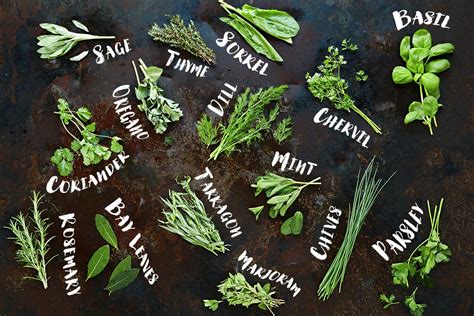
While not for long-term preservation of the vegetables themselves, infusing oils and vinegars with herbs, garlic, and chilies is a wonderful way to capture garden flavors. Infused vinegars are safe and can last a long time, perfect for salad dressings and marinades. Infused oils, however, require careful handling due to the risk of botulism if fresh ingredients are used and stored at room temperature. For safety, either refrigerate infused oils and use within a week, or use only dried herbs and garlic for room-temperature storage.
Embrace the Art of Preservation
Preserving your garden’s harvest without a pressure canner opens up a world of culinary possibilities and self-sufficiency. Each method offers unique advantages, from the convenience of freezing to the probiotic benefits of fermentation. By understanding the principles behind each technique, you can confidently transform your seasonal bounty into delicious, shelf-stable ingredients and meals, ensuring a taste of summer (or autumn) all year round. Experiment, enjoy the process, and savor the fruits of your labor!