
Best methods for preserving garden harvest into year-round homemade recipe staples?

Unlock Year-Round Flavor: Transform Your Garden Harvest into Kitchen Staples
The bounty of a garden is one of life’s true pleasures, but enjoying that fresh, vibrant flavor shouldn’t be limited to a few fleeting months. By mastering a few key preservation techniques, you can transform your seasonal abundance into versatile, homemade recipe staples that will nourish your family all year long. From jams and pickles to frozen vegetables and dried herbs, preserving your harvest extends its life and brings a taste of summer to even the coldest winter day. Let’s explore the best methods to keep your pantry stocked with garden goodness.

Canning: Sealing in Freshness and Flavor
Canning is arguably the most traditional and rewarding method for long-term food preservation. It involves processing food in jars at high temperatures to create a vacuum seal, preventing spoilage. There are two primary types: water bath canning for high-acid foods (like fruits, jams, jellies, pickles, and tomato products with added acid) and pressure canning for low-acid foods (vegetables, meats, and mixed recipes). Water bath canning is relatively simple and accessible for beginners, allowing you to create delicious fruit preserves, tangy pickles, and flavorful salsas.
Pressure canning, while requiring more specialized equipment and attention to safety guidelines, opens up a world of possibilities for preserving green beans, corn, carrots, and even homemade stocks and sauces. Imagine grabbing a jar of your own canned diced tomatoes for pasta sauce in January, or popping open a jar of dilly beans for a snack. Proper sterilization and adherence to tested recipes are crucial for safe and successful canning.
Freezing: The Easiest Way to Lock in Nutrients
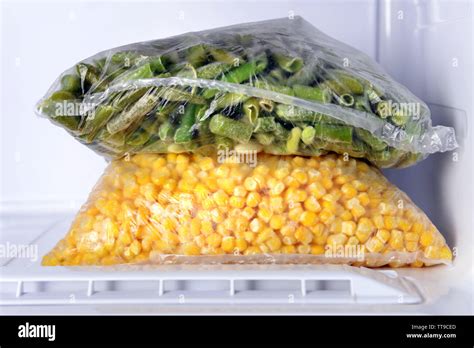
For sheer ease and minimal effort, freezing is often the go-to method for preserving many fruits and vegetables. It’s an excellent way to maintain the nutritional value and fresh taste of your produce. Most vegetables benefit from blanching (briefly boiling then plunging into ice water) before freezing. This stops enzyme action that can degrade flavor and texture over time. Berries, however, can often be flash-frozen on a tray and then transferred to bags, preventing them from clumping together.
Think beyond just whole vegetables: purée tomatoes for future sauces, chop herbs and freeze them in olive oil or water in ice cube trays, or freeze fruit whole or sliced for smoothies and desserts. Properly labeled and dated freezer bags or containers will keep your frozen bounty fresh for 6-12 months, ready to be incorporated into countless recipes.
Dehydrating: Concentrating Flavors and Reducing Bulk
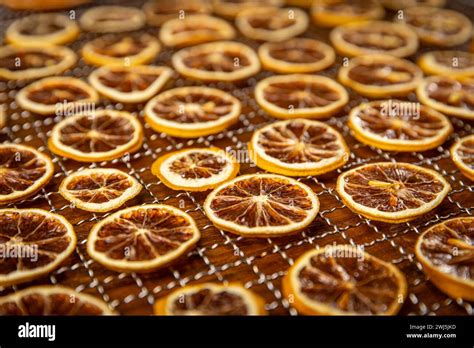
Dehydrating food removes moisture, inhibiting microbial growth and concentrating natural flavors. This method is fantastic for creating lightweight, shelf-stable ingredients perfect for snacks, trail mixes, or reconstituting in recipes. A food dehydrator is the most efficient tool, but a low oven setting or even natural sunlight (for specific items in dry climates) can work.
Consider drying herbs like basil, oregano, and parsley for your spice rack. Thinly sliced fruits like apples, peaches, or berries transform into chewy, sweet snacks. You can also make sun-dried tomatoes (or oven-dried for consistency), vegetable powders from carrot or beet scraps, or even jerky from lean meats. Dried ingredients take up significantly less space and offer a unique texture and intensified flavor profile.
Fermentation: The Art of Live Probiotic Foods
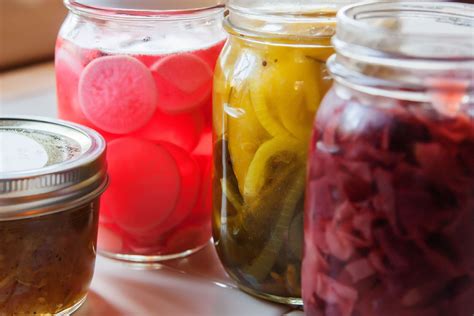
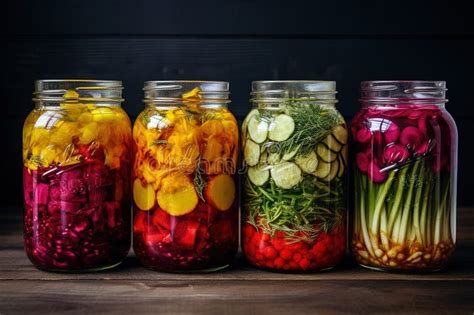
Fermentation is an ancient and increasingly popular method that not only preserves food but also enhances its flavor and nutritional value by introducing beneficial probiotics. This process involves encouraging good bacteria to thrive, which then converts sugars into lactic acid, acetic acid, or alcohol, preserving the food naturally. Common fermented staples include sauerkraut from cabbage, kimchi from various vegetables, and lacto-fermented pickles from cucumbers.
Beyond these well-known examples, you can ferment hot sauces, various vegetables into relishes, or even make your own fruit vinegars. The live cultures found in fermented foods are excellent for gut health and add a distinctive tangy, complex flavor to meals. While relatively simple, successful fermentation requires attention to cleanliness, proper salt ratios, and a watchful eye.
Bringing Your Harvest to the Table Year-Round
Preserving your garden harvest is more than just a chore; it’s an investment in sustainable living, healthy eating, and culinary creativity. By employing methods like canning, freezing, dehydrating, and fermenting, you transform fleeting seasonal produce into a pantry full of homemade recipe staples. This allows you to enjoy the peak freshness and flavor of your garden’s bounty throughout the year, reducing food waste and adding unparalleled taste to your cooking. Experiment with these techniques, find what works best for your lifestyle and your garden, and savor the rewards of your labor with every delicious, homegrown meal.