


Best methods for preserving garden produce for wholesome, year-round country recipes?

Embracing the Harvest: Preserving Your Garden’s Bounty
There’s an unparalleled satisfaction in plucking fresh produce straight from your garden. But the joy doesn’t have to end with the growing season. By mastering various preservation techniques, you can enjoy the fruits (and vegetables!) of your labor year-round, transforming them into delicious, wholesome country recipes that evoke the warmth and flavor of homemade goodness.
Whether you’re looking to store tomatoes for winter sauces, berries for summer pies, or root vegetables for hearty stews, there’s a method perfectly suited for every type of produce and culinary aspiration. Let’s explore the most effective and time-honored ways to keep your pantry stocked with garden-fresh goodness.
Canning: Sealing in Summer’s Goodness
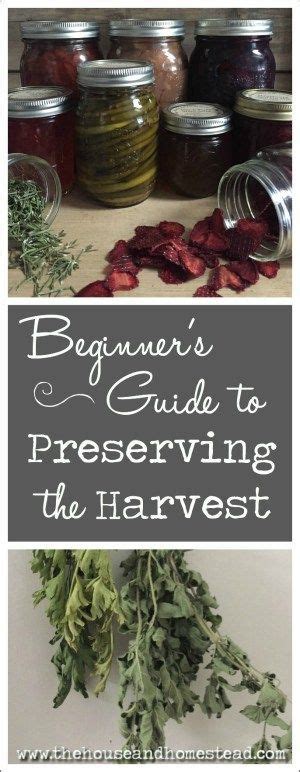
Canning is perhaps the most iconic method of food preservation, transforming perishable produce into shelf-stable jars of deliciousness. It involves heating food in sealed jars to destroy microorganisms and create a vacuum seal, ensuring safety and longevity. This method is fantastic for everything from jams and jellies to pickles, sauces, and even whole vegetables.
There are two primary types of canning: water bath canning and pressure canning. Water bath canning is suitable for high-acid foods like fruits, fruit juices, jams, jellies, pickles, and tomatoes (often with added acid). It’s a relatively simple process that involves submerging sealed jars in boiling water for a specified time.
Pressure canning, on the other hand, is essential for low-acid foods such as vegetables, meats, poultry, and seafood. These foods require higher temperatures than boiling water can achieve to eliminate the risk of botulism spores. A pressure canner raises the internal temperature of the jars far above boiling, making low-acid foods safe for long-term storage.

Freezing: The Easiest Way to Lock in Freshness
For sheer simplicity and minimal effort, freezing is hard to beat. It’s an excellent way to preserve the flavor, texture, and nutritional value of a wide array of fruits and vegetables. Most produce requires a quick blanching process (boiling for a short period followed by an ice bath) before freezing to halt enzyme action that can cause deterioration.
Blanched vegetables like green beans, broccoli, and corn can be spread on baking sheets to freeze individually, then transferred to freezer bags for easy portioning. Fruits like berries, peaches, and cherries can be frozen whole or sliced, often with a light sugar syrup or ascorbic acid to prevent browning and freezer burn.
Freezing is also perfect for prepared foods: think homemade pesto, tomato sauce, vegetable purees, or even blanched herbs in ice cube trays with olive oil. Proper packaging, using airtight freezer bags or containers, is crucial to prevent freezer burn and maintain quality for up to a year or more.

Drying and Dehydrating: Concentrating Flavors
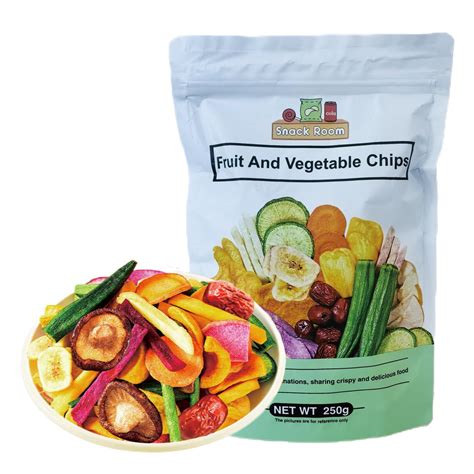
Drying is one of the oldest methods of food preservation, removing moisture to inhibit microbial growth and enzyme activity. This process concentrates the natural flavors and sugars, resulting in intensely delicious and lightweight ingredients perfect for snacks, trail mix, or adding depth to cooked dishes. Fruits like apples, apricots, and berries dry beautifully, as do many herbs and vegetables.
You can dry produce using a dedicated food dehydrator, which offers controlled temperature and airflow for consistent results. Alternatively, a low oven setting or even sun-drying in hot, dry climates can work for some items. Dried herbs retain their potency for months, and dried vegetables can be rehydrated for soups and stews or ground into flavorful powders.
Fermentation: Cultivating Flavor and Health
Fermentation is a transformative process where beneficial microorganisms convert carbohydrates into acids, gases, or alcohol, preserving food while often enhancing its nutritional profile and creating unique flavors. Beyond preservation, fermented foods are renowned for their probiotic benefits, supporting gut health.
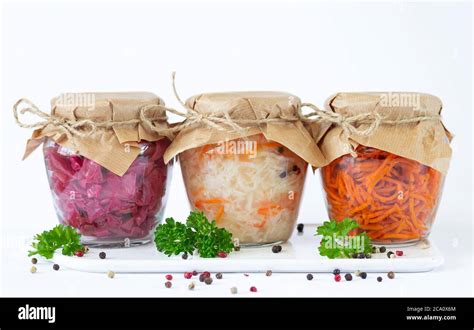
Popular fermented garden delights include sauerkraut from cabbage, kimchi from various vegetables, and brined pickles. The process typically involves submerging vegetables in a saltwater brine (lacto-fermentation), allowing natural bacteria to do their work. The resulting tang and crunch add a wonderful dimension to any meal.
Root Cellaring and Cold Storage: The Natural Pantry
Before refrigeration, root cellars were the cornerstone of winter food storage. This method relies on cool, dark, and humid conditions to naturally preserve root vegetables like carrots, potatoes, beets, and onions, as well as apples and pears. While a dedicated root cellar might be a dream for some, simple cold storage solutions can often be created in basements, unheated garages, or even insulated bins.
The key is to maintain a consistent temperature (ideally between 35-50°F or 2-10°C) and appropriate humidity to prevent spoilage and dehydration. Proper preparation, such as curing onions and garlic, and carefully checking produce for blemishes before storing, will maximize their shelf life through the colder months.

Tips for Success and Safety in Preservation
Regardless of the method you choose, a few general rules ensure successful and safe preservation:
- Start with Quality Produce: Use only fresh, unblemished fruits and vegetables.
- Cleanliness is Key: Sanitize all equipment, jars, and work surfaces thoroughly.
- Follow Recipes Precisely: Especially for canning, adhere strictly to tested recipes and guidelines to ensure food safety.
- Proper Storage: Store preserved goods in a cool, dark place (unless refrigerated or frozen) and check seals regularly.
By embracing these diverse preservation techniques, you can transform your garden’s fleeting bounty into a year-round pantry of wholesome ingredients, ready to inspire countless delicious country recipes, no matter the season.