Best methods for preserving your garden’s seasonal fruit bounty?

Embrace the Harvest: Why Preserve Your Fruit?
As summer ripens and autumn approaches, our gardens often burst with an abundance of delicious fruits – berries, peaches, plums, apples, and more. While enjoying fresh fruit is a seasonal joy, preserving your garden’s bounty allows you to savor those vibrant flavors and vital nutrients long after the harvest season ends. From simple techniques to more involved processes, preserving fruit is a rewarding skill that enriches your pantry and your plate year-round.
Freezing: The Quick and Easy Solution
Freezing is arguably the simplest and fastest method to preserve most fruits, maintaining much of their original flavor, texture, and nutritional value. Berries, sliced peaches, mangoes, and chopped apples all freeze beautifully. The key is to prepare the fruit properly: wash thoroughly, remove stems or pits, and slice if necessary. For best results, flash freeze individual pieces on a baking sheet before transferring them to airtight freezer bags or containers. This prevents them from clumping together, making it easier to use small portions later.
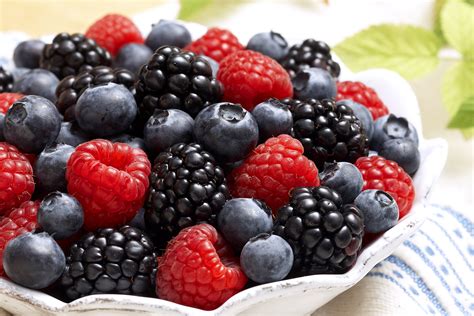
Frozen fruit is perfect for smoothies, baking pies and crumbles, making sauces, or simply thawing for a quick snack. Remember to label your containers with the fruit type and date of freezing for optimal freshness, typically up to 8-12 months.
Canning: Jars of Sunshine All Year Long
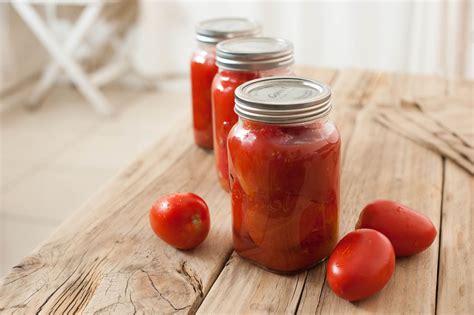
Canning is a time-honored tradition that seals fruit in airtight jars, creating shelf-stable goods like jams, jellies, preserves, and fruit in syrup. This method involves processing jars of prepared fruit in a water bath canner, which heats the contents sufficiently to create a vacuum seal and destroy spoilage microorganisms. High-acid fruits (most fruits fall into this category) are safe for water bath canning.
While it requires a bit more equipment and attention to detail than freezing, the payoff is a pantry stocked with beautiful, ready-to-eat fruit products that can last for a year or more. Always follow tested recipes from reliable sources (like Ball or USDA guidelines) to ensure safety and quality.
Dehydrating: Concentrating Sweetness
Dehydrating, or drying, fruit removes most of its water content, inhibiting spoilage and concentrating its natural sugars and flavors. This results in chewy, intensely flavored snacks like dried apple rings, apricot halves, or fruit leather. You can use a food dehydrator, a conventional oven set to its lowest temperature, or even the sun (in dry, sunny climates).
Properly dried fruit should be pliable but not sticky. Store it in airtight containers in a cool, dark place. Dried fruit makes an excellent portable snack, a healthy addition to trail mix, or a flavorful ingredient in baked goods and cereals.
Jams, Jellies, and Preserves: Sweet Spreads
Turning fruit into jams, jellies, and preserves is a delicious way to capture its essence. These methods typically involve cooking fruit with sugar and sometimes pectin (a natural gelling agent) until it reaches a thick, spreadable consistency. The main difference lies in the fruit preparation: jelly uses only fruit juice, jam contains crushed fruit, and preserves feature whole or large pieces of fruit.
After cooking, these sweet spreads are typically hot-packed into sterilized canning jars and processed in a water bath canner for shelf stability. There’s nothing quite like spreading homemade strawberry jam on toast in the dead of winter, bringing a taste of summer back to your table.
Beyond the Basics: Creative Preservation
Don’t stop at the classics! Consider these creative methods for your fruit bounty:
- Fruit Butters: Slow-cooked fruit purées (like apple butter or pear butter) that are thick and intensely flavored.
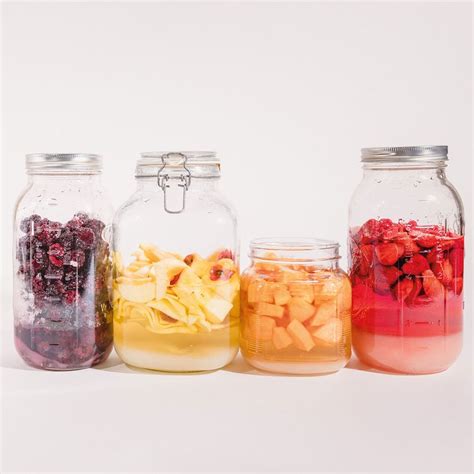
- Fruit Vinegars: Infuse apple cider vinegar with berries or stone fruit for a flavorful dressing or drink base.
- Fruit Liqueurs: Steep fruit in spirits like vodka or brandy to create custom cordials.
- Freezing Fruit Purees: Blend fruit and freeze in ice cube trays for easy additions to drinks or baby food.
Key Tips for Successful Preservation
- Choose Ripe, High-Quality Fruit: The better the fresh fruit, the better the preserved product. Avoid bruised or overripe fruit for canning, though slightly overripe fruit can work for jams.
- Cleanliness is Crucial: Sterilize jars and equipment for canning and ensure all surfaces are spotless to prevent spoilage.
- Follow Recipes Precisely: Especially for canning, altering ingredient ratios or processing times can compromise safety.
- Label and Date: Always label your preserved goods with the contents and date to ensure you use them within their optimal freshness period.
Conclusion
Preserving your garden’s seasonal fruit bounty is a rewarding endeavor that extends the joy of your harvest throughout the year. Whether you opt for the simplicity of freezing, the timeless charm of canning, the intense flavors of dehydrating, or the sweet satisfaction of making jams, each method offers a unique way to enjoy your hard-earned produce. Experiment with different techniques to find your favorites, and soon your pantry will be a testament to your green thumb and culinary creativity.