



Best methods for safely canning garden tomatoes for winter sauces and meals?

Harvesting Your Bounty: The Art of Canning Garden Tomatoes
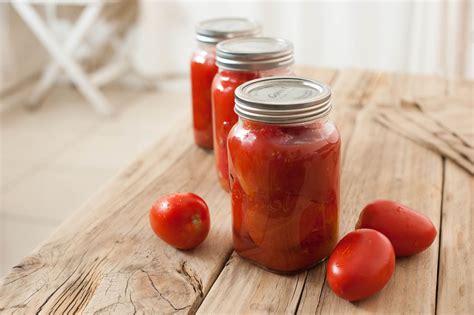
There’s nothing quite like the taste of a sun-ripened tomato straight from the garden. But what happens when your plants produce an abundance that you can’t possibly consume fresh? Canning is a time-honored tradition that allows you to capture that peak summer flavor, transforming your harvest into versatile ingredients for winter sauces, chilis, soups, and stews. Beyond mere convenience, home canning offers control over ingredients and a deep satisfaction from self-sufficiency. However, the key to enjoying your preserved bounty safely lies in understanding and strictly following proven canning methods.
Prioritizing Safety: Why Acidity is Crucial for Tomatoes
When it comes to canning tomatoes, safety is paramount. Tomatoes are considered a high-acid food, which traditionally made them suitable for water bath canning. However, modern tomato varieties can vary in acidity, and improper canning can create an environment where harmful bacteria, like Clostridium botulinum, can thrive. This bacterium produces a deadly toxin, so understanding and maintaining proper acidity levels is non-negotiable for safe preservation.
Acidification: Your Safety Net
To ensure adequate acidity for water bath canning, it’s essential to add an acid. The most common and recommended methods include:
- Lemon Juice: Use bottled lemon juice (not fresh, as its acidity can vary) at a rate of 2 tablespoons per quart jar or 1 tablespoon per pint jar.
- Citric Acid: Use 1/2 teaspoon per quart jar or 1/4 teaspoon per pint jar.
- Vinegar: While some recipes mention vinegar, its flavor impact is more noticeable, and it’s generally less recommended for plain tomatoes unless specifically called for in a tested recipe.
Getting Started: Preparation is Key
Before you even think about jars and canners, proper preparation of your tomatoes is crucial.
Selecting and Washing
Choose firm, ripe, unblemished tomatoes. Avoid any that are bruised, cracked, or showing signs of mold. Wash them thoroughly under cool running water, removing any stems and dirt.
Peeling and Coring
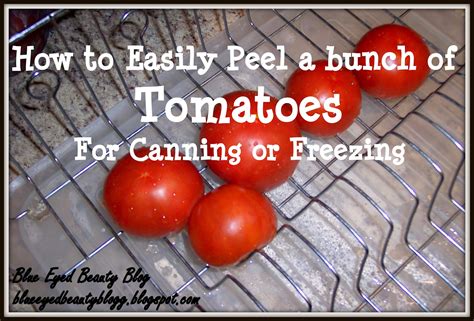
Most canning recipes require peeled tomatoes. Here’s a simple method:
- Bring a large pot of water to a rolling boil.
- Prepare an ice bath in a separate large bowl.
- Carefully lower a few tomatoes into the boiling water for 30-60 seconds, or until the skin begins to crack.
- Immediately transfer the tomatoes to the ice bath to stop the cooking process.
- Once cool enough to handle, the skins should slip off easily. Remove the core with a sharp knife.
The Water Bath Canning Method: A Step-by-Step Guide
Water bath canning is the go-to method for high-acid foods like acidified tomatoes. This process involves submerging sealed jars in boiling water for a specific period to create a vacuum seal and destroy spoilage microorganisms.
Equipment You’ll Need:
- Water bath canner with a rack
- Canning jars with new lids and bands (washed and sterilized if processing time is less than 10 minutes)
- Jar lifter, funnel, headspace tool, bubble remover
- Large pot for tomatoes, measuring spoons/cups
- Clean towels
Steps for Canning Crushed Tomatoes:
- Prepare Tomatoes: Wash, peel, and core your tomatoes. You can crush them by hand, or lightly cook them in a large pot to soften before crushing. Bring them to a simmer, stirring frequently.
- Prepare Jars: Wash jars, lids, and bands. Keep jars hot (e.g., in the canner water or a warm oven).
- Acidify: Add lemon juice or citric acid to each hot jar (e.g., 2 tbsp lemon juice per quart).
- Fill Jars: Carefully ladle the hot crushed tomatoes into hot jars, leaving 1/2 inch headspace. Use a headspace tool to ensure accuracy.
- Remove Air Bubbles: Use a bubble remover tool (or non-metallic utensil) to dislodge any trapped air bubbles. Adjust headspace if necessary.
- Clean Rims: Wipe jar rims thoroughly with a clean, damp cloth to ensure a good seal.
- Apply Lids and Bands: Place new, warm lids centered on jars, then screw bands on fingertip-tight.
- Process Jars: Carefully lower jars onto the rack in the water bath canner, ensuring they are fully submerged by at least 1-2 inches of water. Bring water to a rolling boil.
- Boil for Recommended Time: Process quart jars for 45 minutes, pint jars for 40 minutes, adjusting for altitude. Begin timing once the water reaches a full boil.
- Cool and Check Seals: Turn off heat, remove canner lid, and let jars sit for 5 minutes before carefully removing them to a towel-lined surface. Do not disturb for 12-24 hours. After cooling, check seals: lids should be concave and not flex when pressed.
Exploring Other Tomato Canning Options
Pressure Canning for Low-Acid Tomato Products
While water bath canning is suitable for acidified plain tomatoes, pressure canning is the only safe method for canning low-acid tomato products such as plain tomato sauce, spaghetti sauce with vegetables, or recipes that do not have added acid. Pressure canning reaches higher temperatures, effectively destroying all potential bacteria, including botulism spores, without requiring added acid to the food itself. Always consult tested, current USDA guidelines for specific processing times and pressures if you choose this method.

Storage and Safety Checks
Once your jars are sealed and cooled, remove the bands (they can rust or hide false seals) and label them with the contents and date. Store in a cool, dark, dry place. Properly canned tomatoes can last for at least a year. Before consuming, always inspect jars for signs of spoilage: a bulging lid, cloudy liquid, mold growth, or an off odor. If any doubts exist, discard the contents without tasting.
Enjoying Your Winter Harvest
Canning your garden tomatoes is a rewarding process that connects you to your food source and provides delicious, healthy ingredients for months to come. By following these best practices for safety and preparation, you can confidently turn your summer bounty into a winter pantry staple, ready to transform into hearty sauces, rich chilis, and comforting soups. Enjoy the fruits of your labor!