
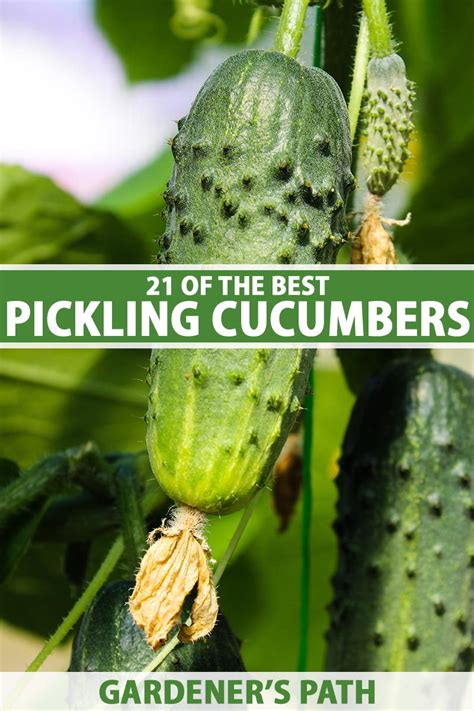

Best methods for safely preserving excess garden bounty without a pressure canner?

When your garden is overflowing with fresh produce, the thought of preserving it all can feel overwhelming, especially if you don’t own a pressure canner. While pressure canning is essential for low-acid foods like most vegetables and meats, there are numerous safe and delicious ways to extend your harvest without one. From tangy pickles to sweet jams, and from crisp frozen veggies to shelf-stable dried fruits, a world of preservation awaits. Let’s explore the best methods for safely preserving your garden’s bounty using traditional techniques that don’t require a pressure canner.
Water Bath Canning: For High-Acid Delights
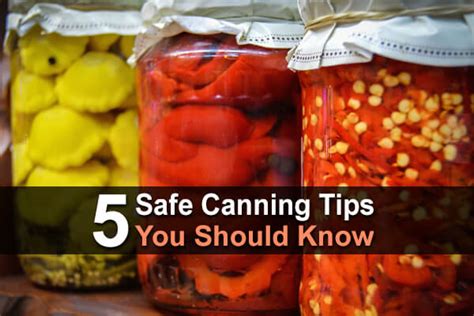
Water bath canning is a fantastic method for high-acid foods. This includes fruits, jams, jellies, fruit butters, salsas, pickles, and tomatoes (when acidified with lemon juice or citric acid). The high acidity, combined with the heat from the boiling water bath, creates an environment hostile to harmful bacteria, making these foods safe for shelf storage.
To water bath can, you’ll need a large pot with a rack, canning jars, lids, and rings. Ensure your jars and lids are clean and properly prepared. Fill the jars with your prepared food, leaving appropriate headspace, and seal with lids and rings. Process them in boiling water for the time specified in a tested recipe, making sure the water covers the jars by at least an inch. This method is incredibly satisfying and produces beautiful, shelf-stable jars of goodness.
Freezing: The Quick & Easy Solution
Freezing is perhaps the simplest and most versatile preservation method. It works wonders for nearly all fruits and many vegetables, preserving their flavor, texture, and nutritional value. Most vegetables benefit from blanching (a quick dip in boiling water followed by an ice bath) before freezing to stop enzyme action that can lead to color and flavor degradation.
For fruits, you can often freeze them raw. Berries can be flash-frozen on a baking sheet before being transferred to freezer bags to prevent clumping. Herbs can be chopped and frozen in ice cube trays with water or oil. Always use freezer-specific bags or containers to prevent freezer burn and label everything with the date. Frozen produce can last for 8-12 months, providing fresh flavors all year round.
Dehydrating: Concentrated Flavor, Long Shelf Life
Dehydration removes moisture from food, inhibiting microbial growth and enzyme activity. This method yields lightweight, shelf-stable produce perfect for snacks, trail mix, or reconstituting in recipes. You can dehydrate fruits, vegetables, and herbs using a food dehydrator, an oven on its lowest setting, or even direct sunlight (if conditions are right).
Popular items to dehydrate include apple slices, banana chips, tomatoes, peppers, zucchini, and all sorts of herbs. Slice items thinly and evenly for uniform drying. Store dehydrated foods in airtight containers in a cool, dark place to maintain quality. The concentrated flavors of dehydrated produce are a delightful addition to any pantry.
Fermentation: Ancient Wisdom, Probiotic Power
Fermentation is an age-old method that not only preserves food but also enhances its nutritional value and creates unique flavors. This process involves beneficial microorganisms converting sugars into lactic acid, which acts as a natural preservative. Common fermented foods include sauerkraut, kimchi, and traditional dill pickles.
You’ll typically need salt, water, and your produce. For vegetables like cabbage (sauerkraut) or cucumbers (pickles), submerging them in a brine or allowing them to release their own juices in the presence of salt creates the perfect environment for fermentation. Use clean jars or crocks and ensure the vegetables remain submerged to prevent mold. Fermented foods can be stored in the refrigerator for several months, offering a tangy, probiotic-rich addition to your meals.
Root Cellaring & Cool Storage: Nature’s Refrigerator
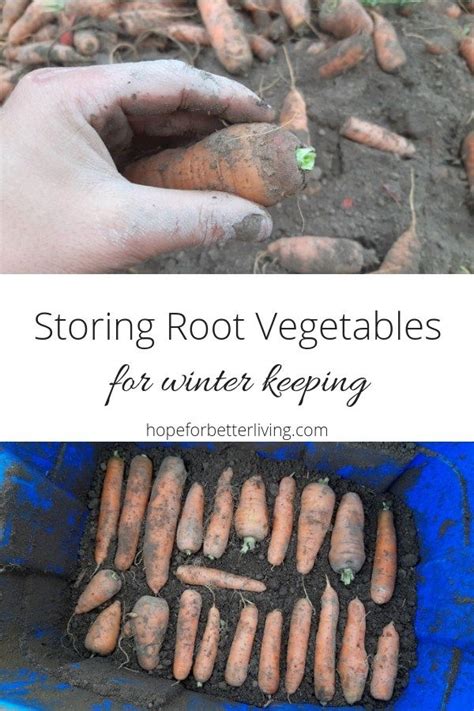
If you have access to a cool, dark, and humid space – essentially a modern-day root cellar – you can store a surprising amount of produce without any processing. This method is ideal for root vegetables like potatoes, carrots, beets, and parsnips, as well as onions, garlic, squash, and apples.
The key is to maintain consistent temperature (ideally 35-50°F / 2-10°C) and humidity (around 85-95%). Proper ventilation is also important. Store items like potatoes in bins or sacks away from light, while carrots and beets can be layered in damp sand or sawdust. Squash and pumpkins prefer slightly warmer and drier conditions. Regularly check your stored produce and remove any spoiled items to prevent the spread of rot.
Oil and Vinegar Infusions (with Caution)
Infusing oils and vinegars with herbs, garlic, or peppers can add wonderful flavor to your cooking. While vinegar infusions are generally safe due to their high acidity, oil infusions require careful attention to prevent botulism. Fresh garlic, herbs, or vegetables suspended in oil create an anaerobic (oxygen-free) environment where C. botulinum can thrive if not handled correctly.
For safe oil infusions, it’s crucial to either acidify the ingredients (e.g., using dried herbs or acidified garlic) or keep the infused oil refrigerated and use it within 7-10 days. Always err on the side of caution when making oil infusions at home. For best shelf-stable results, stick to vinegar infusions or use commercially prepared mixes for oils.
Important Safety Considerations for All Methods
Regardless of the method you choose, food safety should always be your top priority. Here are some universal rules:
- Cleanliness: Always start with clean hands, utensils, jars, and work surfaces.
- Tested Recipes: Use reliable, tested recipes from reputable sources (e.g., USDA, university extension offices).
- Quality Produce: Only preserve fresh, undamaged produce.
- Storage Conditions: Store preserved foods in appropriate conditions (cool, dark, dry for shelf-stable items; freezer for frozen items; refrigerator for fermented or short-term items).
- Inspect Before Eating: Always check preserved foods for signs of spoilage (unusual odors, mold, bulging lids) before consuming.
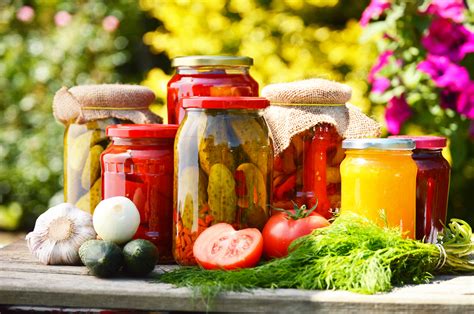
Preserving your garden’s bounty without a pressure canner opens up a world of possibilities for extending the life of your harvest. By employing these safe and effective methods – water bath canning, freezing, dehydrating, fermentation, and cool storage – you can enjoy the fruits (and vegetables!) of your labor long after the growing season ends. Experiment with different techniques, find what works best for your produce and lifestyle, and savor the satisfaction of a well-stocked pantry.