
Best methods for storing root vegetables through winter without a root cellar?

The Challenge of Winter Root Vegetable Storage
For many country dwellers and garden enthusiasts, a bountiful harvest of root vegetables is one of the year’s greatest rewards. Carrots, potatoes, beets, parsnips, and turnips offer essential nutrition and hearty meals. However, the age-old dilemma arises: how do you keep these earthy treasures fresh and viable through the long winter months without a traditional root cellar?
While a dedicated root cellar provides ideal conditions – consistent cool temperatures, high humidity, and darkness – replicating these elements is entirely possible using everyday resources and clever techniques. With a little planning, you can enjoy your garden’s bounty well into spring.

Understanding Ideal Storage Conditions
Before diving into specific methods, it’s crucial to understand what root vegetables need to thrive in storage:
- Cool Temperatures: Generally between 35-50°F (2-10°C). This slows down respiration and spoilage.
- High Humidity: Around 90-95% humidity prevents moisture loss and shriveling.
- Darkness: Light can cause potatoes to green and develop solanine, and other vegetables to sprout prematurely.
- Good Air Circulation: Prevents mold and rot, especially in high-humidity environments.
Method 1: Cold Storage in Sand, Sawdust, or Peat Moss
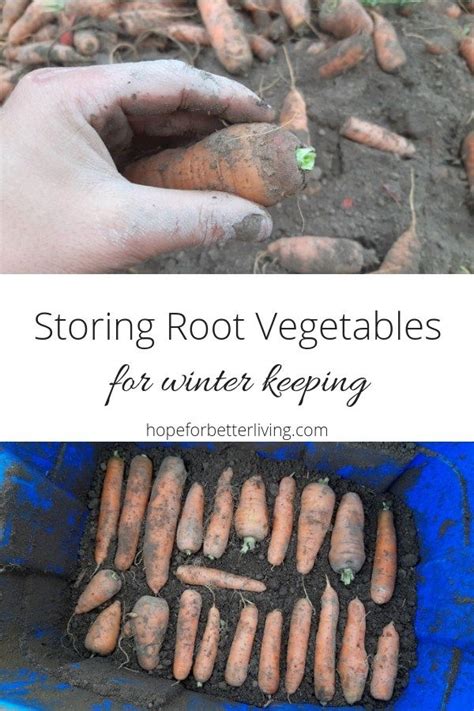
One of the most effective non-root cellar methods involves packing root vegetables in a moisture-retaining medium. This technique creates a micro-environment that mimics a root cellar’s humidity and dark conditions.
What You Need:
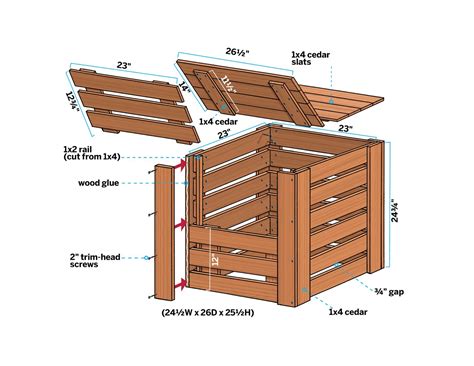
- Plastic bins, wooden crates, or sturdy cardboard boxes.
- Play sand (clean, coarse sand), sawdust (non-aromatic woods like pine), or peat moss.
- A cool, dark location: an unheated garage, basement corner, crawl space, or even a spare room that stays consistently cool.
How To Do It:
- Prepare Your Vegetables: Harvest root vegetables when they are mature and dry. Brush off excess soil but do not wash them. Trim greens, leaving about an inch of stem to prevent moisture loss and rot. Cure potatoes and sweet potatoes for a week or two first.
- Layering: Place an inch or two of your chosen medium at the bottom of the container. Arrange a single layer of vegetables, ensuring they don’t touch each other.
- Cover and Repeat: Cover the vegetables completely with the medium, then add another layer of vegetables. Continue layering until the container is full, finishing with a thick layer of medium on top.
- Monitor: Check periodically for any signs of spoilage. Remove any rotting vegetables immediately to prevent the spread.
Method 2: In-Ground Storage (Outdoor Pits or Mounds)
For those with outdoor space, burying vegetables directly in the ground or in protective mounds can be an excellent way to use the earth’s natural insulation.
The Pit Method:
- Dig a Trench: Choose a well-drained spot in your garden. Dig a trench about 12-18 inches deep and wide enough for your vegetables.
- Line the Trench: Line the bottom with straw, leaves, or a thin layer of sand.
- Add Vegetables: Place your prepared root vegetables (e.g., carrots, parsnips, beets) in the trench. Keep different types of vegetables separate if possible.
- Cover Up: Cover the vegetables with more straw or leaves, then backfill with the excavated soil. Create a mound on top to shed water.
- Insulate: For colder climates, add an extra layer of straw bales, old blankets, or a tarp over the mound for additional insulation.
The Mound Method:
Similar to the pit, but simpler. Create a large pile of root vegetables on a well-drained spot, cover them heavily with straw or leaves, then mound soil over the top. This is great for potatoes or apples.

Method 3: Refrigeration and Other Cool Spots
For smaller quantities or specific vegetables, your refrigerator or other cool, stable environments can be sufficient.
- Refrigerator Crisper: Ideal for carrots, beets, and turnips. Place them in a perforated plastic bag or a sealed container with a damp paper towel to maintain humidity.
- Cool Pantry/Closet: If you have an unheated pantry, a spare closet, or even a seldom-used bedroom that stays consistently cool and dark, it can serve as a temporary storage spot for potatoes and onions (stored separately!). Ensure good air circulation.
- Cooler with Ice/Snow: In very cold climates, a well-insulated cooler with a small amount of ice or snow can mimic root cellar conditions for short periods, especially during power outages.
Method 4: Freezing and Dehydrating
While not keeping vegetables whole, these methods preserve their usability and flavor for extended periods.
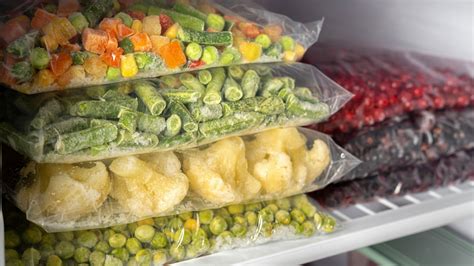
- Freezing: Most root vegetables (carrots, beets, parsnips) can be blanched, cooled, and then frozen in airtight bags or containers. Potatoes can be blanched and par-cooked before freezing.
- Dehydrating: Sliced carrots, beets, and sweet potatoes can be dried in a dehydrator or oven. Once fully dry, store them in airtight jars for use in soups, stews, or as snacks.

General Tips for Success
- Harvest Carefully: Avoid bruising or cutting vegetables, as damaged areas are entry points for rot.
- Don’t Wash (Mostly): For methods involving sand or burial, leave soil on the vegetables as it provides a protective layer. Only brush off the largest clumps.
- Cure Potatoes/Sweet Potatoes: Allow them to cure for 1-2 weeks in a warm, humid environment (around 60-70°F) before storing. This thickens their skins and improves storage life.
- Separate Vegetables: Some vegetables (like potatoes and onions) release gases that can accelerate spoilage in others. Store them separately.
- Inspect Regularly: Check your stored vegetables every few weeks. Remove any that show signs of spoilage immediately to prevent it from spreading.
Conclusion
A lack of a dedicated root cellar doesn’t have to mean sacrificing your winter supply of fresh root vegetables. By understanding their basic needs and implementing these creative storage solutions, you can extend your harvest and enjoy the fruits (or roots!) of your labor all winter long. Experiment with different methods to find what works best for your specific vegetables and living situation, and savor the taste of your homegrown bounty.