


Best methods for turning kitchen scraps into rich compost for the garden?

Why Transform Kitchen Scraps into Garden Gold?
Imagine turning your daily food waste into a nutrient-rich elixir for your plants, all while reducing landfill burden. Composting kitchen scraps is a sustainable practice that not only enriches your garden soil but also minimizes your environmental footprint. It’s a cyclical process that transforms what might otherwise be considered garbage into a valuable resource, teeming with beneficial microbes and essential nutrients ready to fuel vibrant growth.
This guide will explore the most effective and popular methods to convert your kitchen leftovers into dark, crumbly “black gold” that your garden will truly thank you for.
Understanding What Can and Can’t Be Composted
Before diving into methods, it’s crucial to know what kitchen scraps are suitable for composting. Generally, plant-based materials are excellent, while animal products should be avoided, especially in home composting systems, as they can attract pests and create odors.
The “Do’s” of Kitchen Composting:
- Fruit and vegetable peels, cores, and scraps
- Coffee grounds and filters
- Tea bags (remove staples/synthetics)
- Crushed eggshells
- Bread and pasta (in moderation)
- Nut shells (avoid black walnut)
The “Don’ts” of Kitchen Composting:
- Meat, bones, and fish
- Dairy products
- Oils and greasy foods
- Pet waste (especially from carnivorous animals)
- Diseased plants
Outdoor Composting Bins: The Traditional Approach
The most common method for converting kitchen scraps involves outdoor composting bins, piles, or tumblers. This method relies on aerobic decomposition by microorganisms. It’s effective for a mix of “greens” (nitrogen-rich, like kitchen scraps) and “browns” (carbon-rich, like leaves and wood chips).
Getting Started:
- Choose Your Bin: Options range from simple DIY wire bins, plastic tumblers, to multi-compartment systems. Tumblers are great for easier turning and pest deterrence.
- Location: Place your bin in a shaded, well-drained area of your garden, accessible but not directly against your house.
- Layering: Start with a base of coarser brown materials for drainage. Then, alternate layers of kitchen scraps (greens) with yard waste (browns). Aim for a 1:2 or 1:3 ratio of greens to browns by volume.
- Moisture & Aeration: Keep the pile moist like a wrung-out sponge. Turn the pile regularly (weekly or bi-weekly) to introduce oxygen, which speeds up decomposition and prevents anaerobic smells.
Vermicomposting: Enlisting Worms for Faster Results
For those with limited space, a desire for faster results, or just an interest in fascinating invertebrates, vermicomposting is an excellent choice. This method uses specific types of worms, primarily Red Wigglers (Eisenia fetida), to break down organic matter into nutrient-rich “worm castings.”
Setting Up a Worm Bin:
- Worm Bin: Purchase or build a multi-tiered worm bin. These typically have trays where worms migrate upwards as they finish processing food in the lower trays.
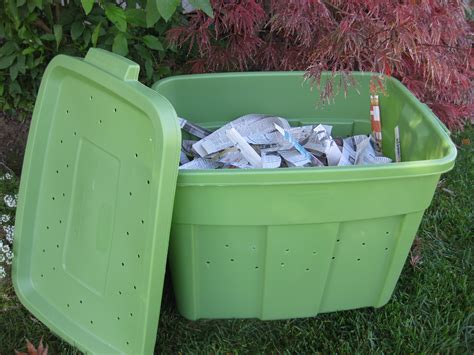
- Bedding: Fill the bottom tray with moist, shredded newspaper, cardboard, or coconut coir. This is the worms’ habitat.
- Add Worms: Introduce a pound or so of Red Wigglers to the bedding.
- Feeding: Bury small amounts of kitchen scraps (fruit/veg peels, coffee grounds) under the bedding. Start slowly, and increase feeding as the worms reproduce and process more.
- Harvesting: Once a tray is full of castings, stop feeding that tray and start feeding the one above it. The worms will migrate up, leaving behind rich compost for your garden.
Alternative Kitchen Scrap Composting Methods
Beyond traditional and vermicomposting, other methods cater to specific needs or preferences:
Bokashi Composting:
Originating from Japan, Bokashi is an anaerobic fermentation process that uses a special bran inoculated with effective microorganisms (EM). It can break down almost all food scraps, including meat and dairy, into a “pre-compost” that then needs to be buried in the garden or added to a traditional compost pile for final decomposition. It’s excellent for odor control and quick processing of difficult items.
Trench Composting:
This simple method involves digging a trench or hole directly in your garden bed, burying kitchen scraps, and covering them with soil. The scraps decompose underground, enriching the soil directly where plants will grow. It’s discreet and requires minimal equipment, but you’ll need rotating spots in your garden.
Tips for Successful Kitchen Scrap Composting
- Chop it Up: Smaller pieces decompose faster.
- Maintain Moisture: Keep your compost pile consistently moist, but not waterlogged.
- Aerate Regularly: Turning your compost provides vital oxygen for microorganisms.
- Balance Greens and Browns: This is key to a healthy, fast-working pile. Kitchen scraps are “greens.”
- Avoid Pests: Bury food scraps deep in outdoor piles or use enclosed bins.
Harvesting and Using Your Homemade Compost
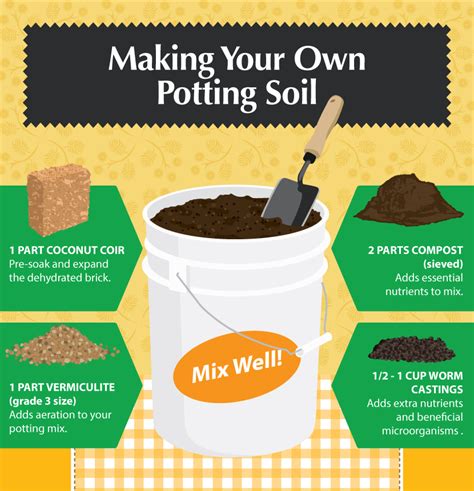
Once your compost is dark brown, crumbly, and smells like fresh earth, it’s ready! This “black gold” can be dug directly into garden beds, used as a top dressing, mixed into potting soil for containers, or sifted to create fine seed-starting mix. The benefits are immense: improved soil structure, enhanced water retention, reduced need for chemical fertilizers, and healthier, more resilient plants.
Turning kitchen scraps into compost is a rewarding journey that benefits both your garden and the planet. By adopting one of these methods, you’re not just disposing of waste; you’re actively participating in a natural cycle of renewal, creating a vibrant, fertile future for your green space.