


Best methods to preserve fresh garden herbs for winter cooking?
Introduction: Savoring Summer’s Bounty Year-Round
The vibrant flavors and aromas of fresh garden herbs are a true culinary delight, but as colder months approach, home gardeners often wonder how to extend their harvest. Preserving herbs not only prevents waste but also allows you to infuse your winter dishes with the essence of summer, bringing depth and freshness to soups, stews, roasts, and more. With a few simple techniques, you can enjoy your favorite basil, oregano, thyme, and rosemary long after the growing season ends.
Drying Herbs: A Classic Preservation Method
Drying is perhaps the oldest and most straightforward method for preserving herbs, concentrating their flavors. While some herbs, like rosemary, thyme, oregano, and bay leaves, dry exceptionally well, others with high moisture content, such as basil and mint, might lose some of their aromatic punch.
Air Drying
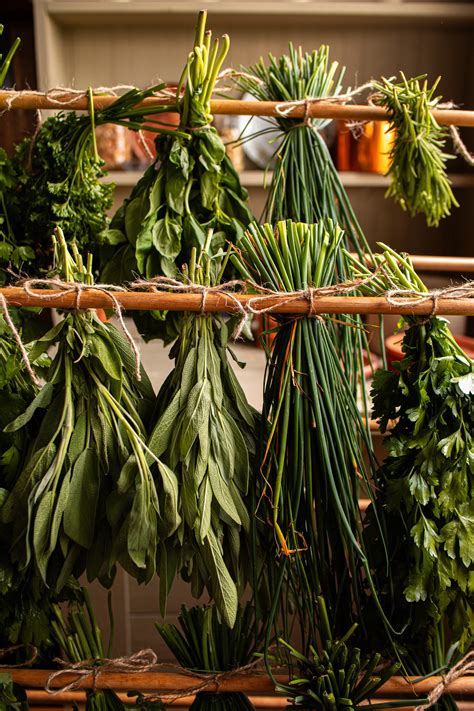
For sturdy, low-moisture herbs, air drying is ideal. Simply gather small bunches, tie them with twine, and hang them upside down in a warm, dark, well-ventilated area. A brown paper bag loosely placed over the herbs can protect them from dust and catch falling leaves. Depending on humidity and herb type, this can take one to three weeks. Once brittle, strip the leaves from the stems and store them in airtight containers.
Dehydrator or Oven Drying
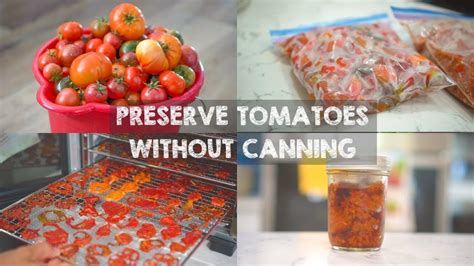
For faster results or for herbs with higher moisture content, a food dehydrator or a low-temperature oven is excellent. Spread a single layer of clean, dry herbs on dehydrator trays or baking sheets. Dehydrators should be set to 95-115°F (35-46°C) for several hours until crisp. If using an oven, set it to its lowest temperature (ideally 100-150°F / 40-65°C) with the door slightly ajar to allow moisture to escape. Check frequently, turning herbs as needed, until they are fully dry and crumble easily.
Freezing Herbs: Capturing Freshness
Freezing is an excellent method for preserving the vibrant color and fresh flavor of many herbs, especially those that don’t dry well, like basil, parsley, cilantro, chives, and mint. It’s perfect for adding a burst of fresh flavor to cooked dishes.
Ice Cube Tray Method
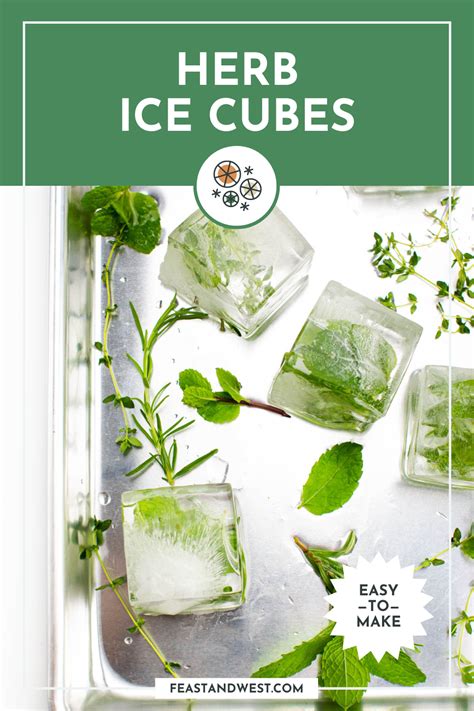
Chop your desired herbs finely and pack them into ice cube trays. You can then fill the trays with water, vegetable broth, or olive oil. Freezing with oil is particularly good for herbs like basil or oregano, as it prevents freezer burn and provides a ready-to-use flavor base for cooking. Once frozen solid, transfer the herb cubes to freezer bags or containers, labeling them clearly. These convenient cubes can be dropped directly into simmering soups, stews, or sauces.
Direct Freezing
Some herbs, like chives, dill, or parsley, can be chopped and frozen directly in freezer bags without liquid. Simply spread them in a thin layer, press out excess air, and seal. You can then break off portions as needed. For larger leaves like basil, blanching them briefly before freezing can help retain color and flavor, but it’s not strictly necessary for most applications.
Preserving Herbs in Oil, Vinegar, or Salt
Beyond drying and freezing, other creative methods can transform your fresh herbs into versatile pantry staples.
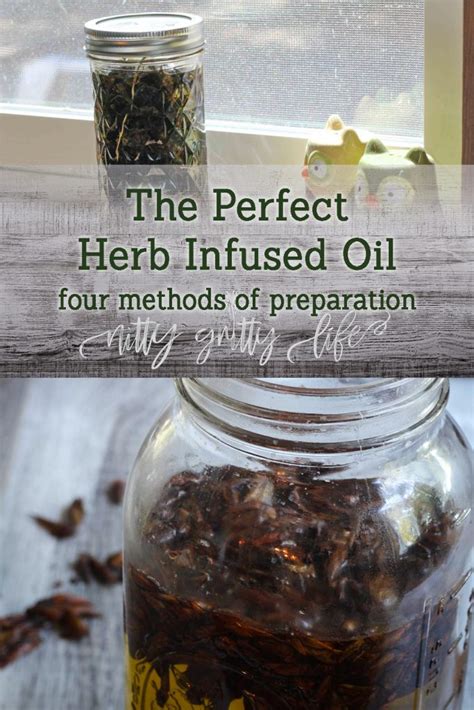
Herb-Infused Oils
Creating herb-infused oils is a popular way to capture flavors. However, it’s crucial to exercise caution due to the risk of botulism if fresh herbs (especially garlic, chives, or basil) are stored in oil at room temperature. For safe, long-term storage, always refrigerate infused oils and use them within a week, or freeze them. Alternatively, dry herbs completely before infusing them in oil for room-temperature storage.
Herb Vinegars
Infusing vinegar with herbs is a safer and delightful way to preserve their essence. Simply clean and lightly bruise herbs (like tarragon, rosemary, or thyme) and place them in a clean bottle. Cover with good quality white wine vinegar or apple cider vinegar, seal, and let steep in a cool, dark place for 2-4 weeks. Strain the herbs out and re-bottle for a flavorful salad dressing or cooking vinegar.
Herb Salts and Pestos
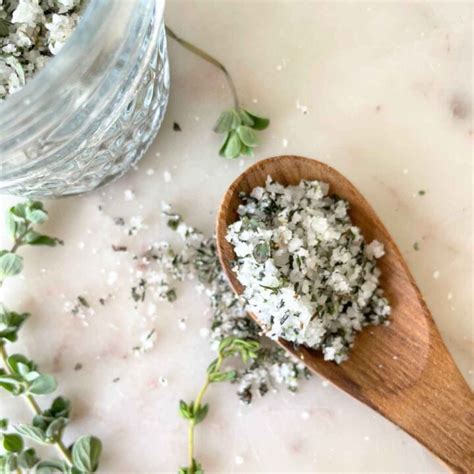
Mix finely chopped herbs with coarse salt for flavorful herb salts that can be used as a finishing salt or rub. Pesto, a classic blend of basil, pine nuts, garlic, Parmesan, and olive oil, freezes beautifully without significant loss of flavor. Spoon portions into small containers or ice cube trays and freeze for quick pasta sauces or sandwich spreads.
Storing Preserved Herbs
Proper storage is key to maintaining the quality of your preserved herbs.
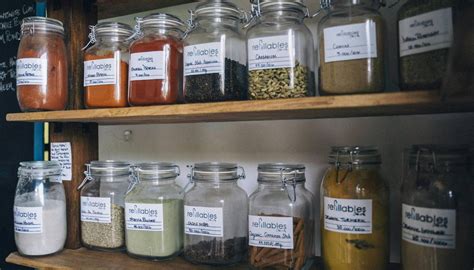
- Dried Herbs: Store in airtight containers away from direct sunlight and heat. Whole dried leaves retain flavor longer than crushed ones.
- Frozen Herbs: Keep in sealed freezer bags or containers to prevent freezer burn. Label with the herb name and date.
- Infused Oils/Vinegars: Refrigerate infused oils and use promptly. Herb vinegars can be stored in a cool, dark pantry once strained.
Conclusion: Enjoying Your Garden All Winter Long
With these diverse preservation methods, you can ensure that the fresh, vibrant flavors of your garden herbs are never far from reach, even in the depths of winter. Experiment with different techniques to find what works best for your favorite herbs and culinary needs. Happy preserving!