




Best methods to preserve garden excess using real food recipes?

Gardeners know the joy and challenge of a bountiful harvest. One moment, your plants are thriving; the next, you’re faced with an abundance that threatens to spoil before you can enjoy it all. This is where the art of food preservation, using real food recipes, becomes invaluable. Moving beyond complex chemical additives, we’ll explore time-honored methods that keep your garden’s goodness intact, bringing fresh, wholesome flavors to your table long after the growing season ends.
The Core Principles of Real Food Preservation
Preserving your garden’s surplus with real food in mind means focusing on minimal processing, natural ingredients, and methods that enhance rather than diminish nutritional value. It’s about capturing the essence of peak-season produce and ensuring your pantry is stocked with homemade goodness.
Canning: Sealing in Summer’s Flavors
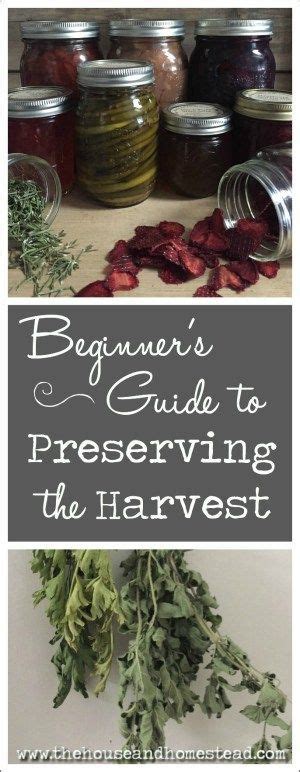
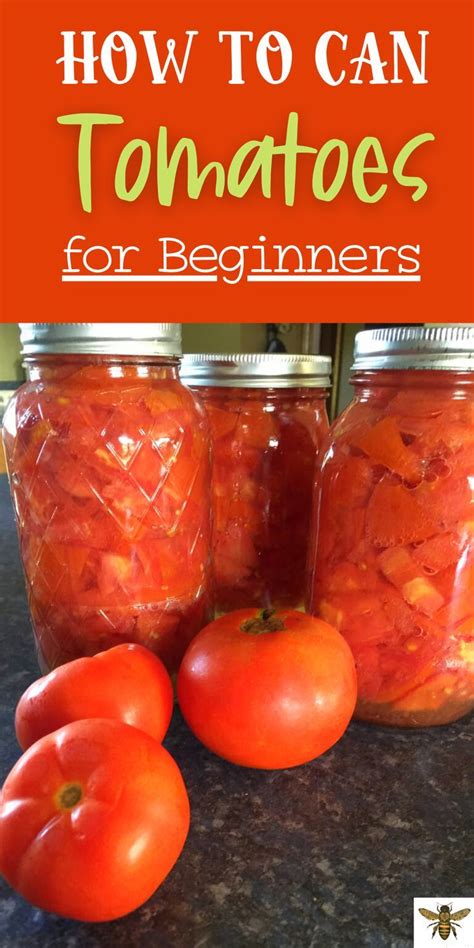
Canning is perhaps the most iconic method, perfect for acidic fruits and pickled vegetables. Water bath canning is ideal for jams, jellies, fruit pie fillings, and high-acid pickles. For low-acid foods like green beans, corn, or meat, a pressure canner is essential for safety.
Recipe Idea: Homemade Tomato Salsa
- Ingredients: Ripe tomatoes, onions, jalapeños, cilantro, lime juice, salt.
- Method: Chop ingredients, simmer, fill sterilized jars, water bath process according to tested recipes for safe sealing.
Freezing: Quick and Convenient Freshness
Freezing is one of the simplest ways to preserve a wide variety of fruits and vegetables, often requiring minimal effort. Blanching vegetables before freezing helps retain color, flavor, and nutrients. Fruits can often be frozen raw, either whole or sliced.
Recipe Idea: Frozen Berry Medley for Smoothies
- Method: Wash and dry various berries (strawberries, blueberries, raspberries). Spread them in a single layer on a baking sheet to freeze solid, then transfer to freezer bags. This prevents clumping.

Dehydrating: Concentrating Natural Sweetness and Flavor
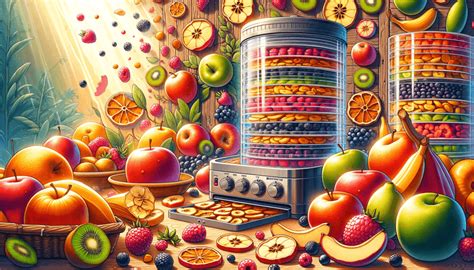
Dehydration removes moisture, inhibiting spoilage and concentrating flavors. It’s excellent for herbs, fruit leathers, sun-dried tomatoes, and even making vegetable powders. A food dehydrator or even a low oven can be used.
Recipe Idea: Homemade Dried Herb Blends
- Method: Harvest herbs like basil, oregano, thyme. Wash gently, pat dry. Hang in bundles in a warm, dry, well-ventilated area, or use a dehydrator on a low setting until brittle. Crumble and store in airtight jars.
Fermentation: Cultivating Gut-Healthy Goodness
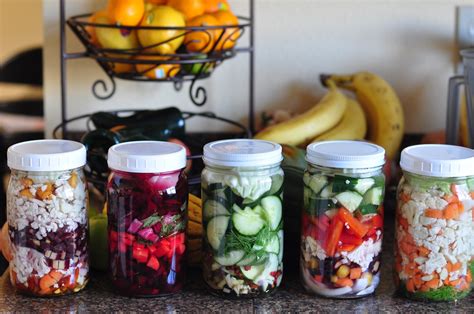
Fermentation not only preserves food but also enhances its nutritional profile and creates unique flavors through beneficial bacteria. Lacto-fermentation is a popular method for vegetables.
Recipe Idea: Classic Sauerkraut
- Ingredients: Cabbage, salt.
- Method: Shred cabbage, massage with salt until brine forms. Pack into a jar, ensuring cabbage is submerged. Seal with an airlock or cover loosely and ferment at room temperature for weeks, tasting periodically until desired sourness is achieved.
Other Smart Preservation Strategies
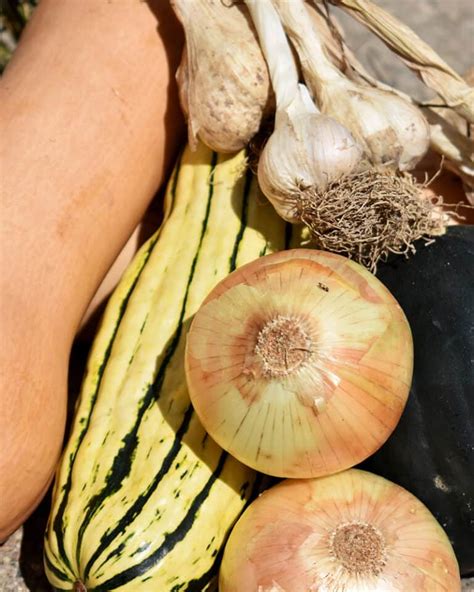
Beyond these core methods, consider making vinegars infused with garden herbs, creating delicious pestos with excess greens (like basil or kale) and freezing them in ice cube trays, or even creating infused oils. For certain root vegetables and winter squash, a cool, dark, and moderately humid storage area (like a root cellar or unheated basement) can keep them fresh for months without any processing.
Tips for Successful Real Food Preservation
- Start with Quality: Use only fresh, unblemished produce at its peak.
- Cleanliness is Key: Sterilize jars and equipment thoroughly to prevent spoilage.
- Follow Recipes: Especially for canning, adhere strictly to tested, safe recipes from reliable sources.
- Label Everything: Include contents and date to ensure proper rotation and freshness.
- Store Properly: Keep preserved foods in a cool, dark place away from direct sunlight and temperature fluctuations.
Conclusion
Preserving your garden’s excess with real food recipes is a rewarding journey that connects you more deeply with your food source. It empowers you to enjoy the peak flavors and nutritional benefits of your harvest year-round, reduce food waste, and fill your pantry with homemade delights free from artificial additives. Embrace these methods, experiment with flavors, and savor the fruits (and vegetables!) of your labor.