
Best methods to preserve garden produce using traditional country recipes?

Embracing the Harvest: Traditional Preservation Techniques
As gardeners, there’s immense satisfaction in nurturing plants from seed to harvest. But what do you do when your garden produces more than you can eat fresh? For generations, country kitchens have relied on ingenious, traditional methods to preserve the bounty, ensuring wholesome, flavorful produce is available long after the growing season ends. These time-tested techniques not only reduce waste but also infuse your pantry with unique tastes and a connection to culinary heritage.
Moving beyond modern refrigeration, these methods often require simple tools and basic ingredients, making them accessible and rewarding. Let’s explore some of the best traditional country recipes and techniques for preserving your garden’s treasures.

Canning: Jams, Jellies, and Pickles
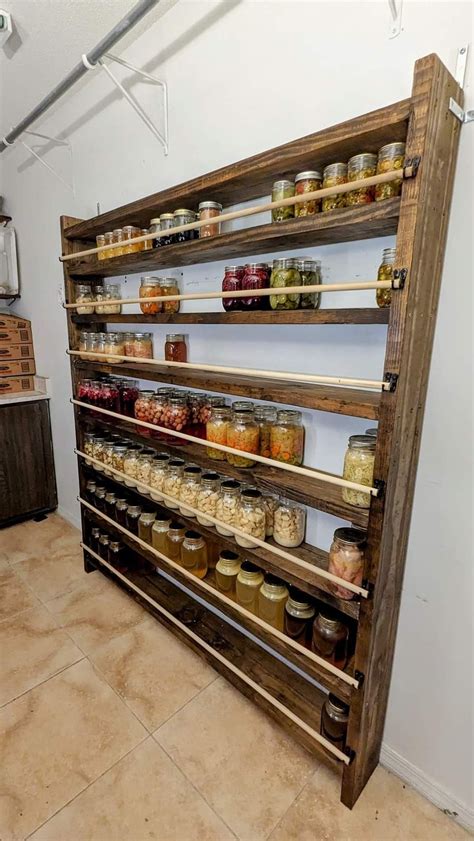
Canning is perhaps one of the most beloved and versatile preservation methods, transforming fresh fruits and vegetables into delicious jams, jellies, sauces, and pickles. It involves sealing food in sterile jars and heating them to a temperature that destroys microorganisms and creates a vacuum seal.
- Water Bath Canning: Ideal for high-acid foods like fruits, tomatoes (with added acid), pickles, and fruit-based jams and jellies. Think vibrant strawberry jam, tangy bread-and-butter pickles, or chunky apple sauce.
- Pressure Canning: Essential for low-acid foods such as most vegetables (green beans, corn, carrots), meats, and stews. This method reaches higher temperatures necessary to safely preserve these items.
Country recipes for canning often involve simple ingredients: the produce itself, sugar (for jams/jellies), vinegar and spices (for pickles), and sometimes a bit of pectin. The magic lies in the careful balance and the sealing process, yielding shelf-stable goods bursting with flavor.
Fermentation: The Art of Living Foods
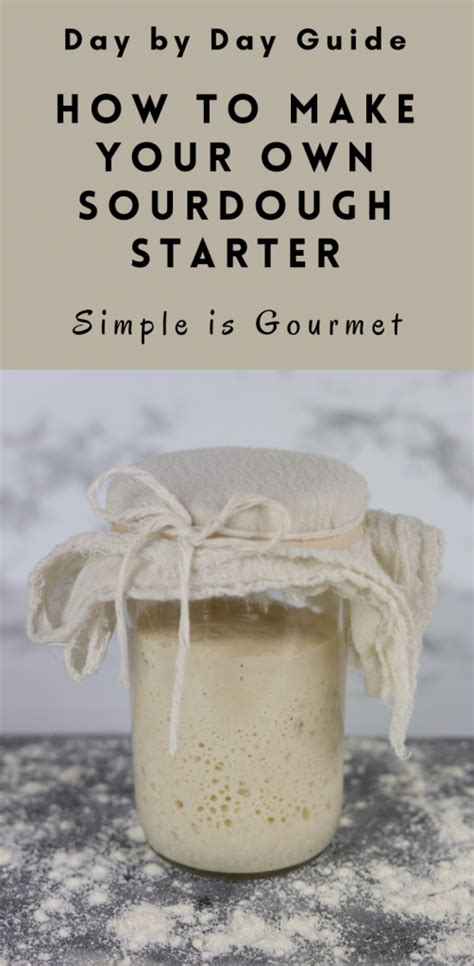
Fermentation is an ancient and powerful preservation method that uses beneficial bacteria to transform and preserve food, often enhancing its nutritional value and creating unique flavors. Think sauerkraut, kimchi, and traditional lacto-fermented pickles.
This process involves submerging vegetables in a brine (saltwater solution) or simply salting them, allowing naturally occurring lactic acid bacteria to thrive. These bacteria convert sugars into lactic acid, which acts as a natural preservative and gives fermented foods their characteristic tangy taste. Fermented foods are renowned for their probiotic benefits, supporting gut health.
Popular country recipes include:
- Sauerkraut: Finely shredded cabbage, massaged with salt, and allowed to ferment in a crock or jar.
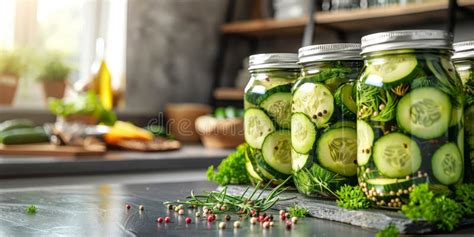
- Dill Pickles: Cucumbers submerged in a salty brine with garlic and dill.
- Beet Kvass: A probiotic-rich beverage made from fermented beets and water.
Drying and Dehydrating: Concentrated Flavors
Drying is one of the oldest preservation techniques, effectively removing moisture from food to inhibit spoilage. This concentrates flavors and nutrients, creating lightweight, shelf-stable ingredients perfect for snacks, trail mixes, or reconstituting in dishes.
From sun-drying tomatoes and herbs to using a food dehydrator for fruit leathers and vegetable chips, the methods vary but the principle remains the same. Common garden produce to dry includes apples, berries, apricots, herbs (oregano, thyme, basil), hot peppers, and even root vegetables like carrots and potatoes (often blanched first).
Dried herbs retain their potency for months, adding depth to winter stews, while dried fruit provides a healthy, naturally sweet snack. This method is particularly energy-efficient if you utilize passive sun-drying techniques, or a dehydrator for consistent results.
Root Cellaring and Cold Storage: Nature’s Refrigerator
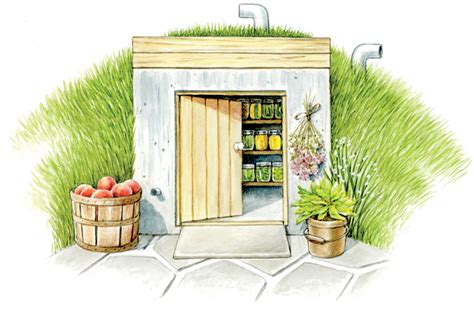
Before modern refrigeration, root cellars were vital for preserving root vegetables, fruits, and certain leafy greens throughout winter. A root cellar (or any cool, dark, and moderately humid space like a basement corner) mimics the conditions of underground storage, slowing down spoilage.
Ideal candidates for root cellaring include potatoes, carrots, beets, turnips, parsnips, onions, garlic, and winter squash. Apples can also be stored this way, often wrapped individually to prevent spoilage from spreading. The key is maintaining consistent cool temperatures (just above freezing) and appropriate humidity levels to prevent wilting or sprouting.
This method requires no energy input once the storage space is established and allows produce to retain its fresh texture and flavor for months, providing a true taste of the garden even in the depths of winter.
A Taste of Heritage for Your Modern Pantry
Incorporating these traditional country preservation methods into your routine is more than just a way to save food; it’s a way to reconnect with ancestral practices, develop new skills, and savor the unique flavors of your garden’s bounty all year long. Whether you’re making a batch of spicy pickled beans, fermenting a crock of sauerkraut, or simply drying your excess herbs, each jar and package holds a piece of summer’s sunshine and a testament to enduring culinary wisdom. So, roll up your sleeves, gather your harvest, and enjoy the delicious rewards of preservation!