




Best natural methods for long-term root cellar food storage?
The Timeless Art of Root Cellaring for Sustainable Food Preservation
Root cellars are a cornerstone of self-sufficiency, offering a natural, energy-efficient way to store homegrown produce for months, sometimes even year-round. Far from being an outdated practice, modern homesteaders and country living enthusiasts are rediscovering the profound benefits of these subterranean marvels. The key to successful long-term storage lies in understanding and manipulating the natural conditions within the cellar to suit the specific needs of different foods.
Unlike modern refrigeration, which can dry out produce and requires constant energy, a well-managed root cellar relies on stable cool temperatures, controlled humidity, and good ventilation to keep vegetables and fruits fresh. This article explores the best natural methods to maximize your root cellar’s potential.

Mastering the Essential Root Cellar Conditions
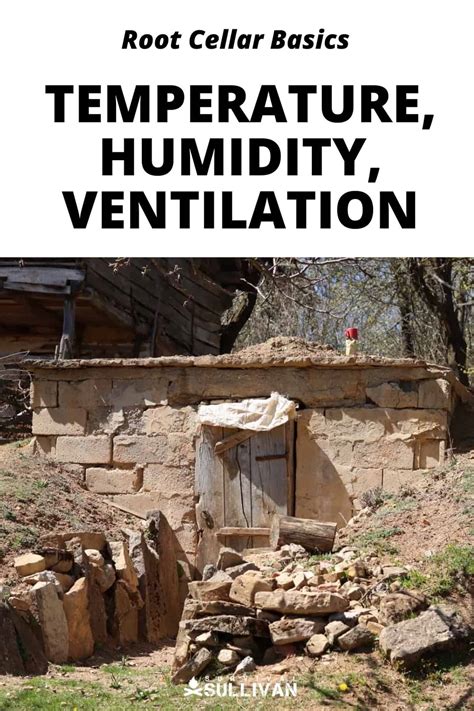
The success of any root cellar hinges on three primary environmental factors: temperature, humidity, and ventilation. Getting these right is crucial for preventing spoilage and maintaining quality.
Temperature: The Cooler, The Better (Mostly)
Most root cellar vegetables thrive in temperatures ranging from 35-50°F (2-10°C). Ideal temperatures hover around 35-40°F (2-4°C) for maximum longevity for many root crops. Fluctuations should be minimized, as they can trigger premature sprouting or spoilage. Underground construction naturally helps maintain stable temperatures, but proper insulation and a well-sealed door are also vital.
Humidity: Finding the Sweet Spot
Humidity levels are often overlooked but are paramount for successful storage. High humidity (85-95%) is generally preferred for most root vegetables, apples, and pears, as it prevents shriveling and moisture loss. A dirt floor or bins of damp sand/sawdust can help maintain these levels. Conversely, onions, garlic, and winter squash prefer lower humidity (50-70%) to prevent mold and rot.
Ventilation: The Breath of Fresh Air
Good air circulation is essential to prevent the buildup of ethylene gas (which can accelerate ripening and spoilage) and to deter mold growth. Proper ventilation typically involves an intake vent near the floor and an exhaust vent near the ceiling, creating a natural airflow. Screens on vents are necessary to keep pests out.
Preparation and Storage Techniques for Specific Produce
Not all produce is created equal, and specific preparation and storage methods are critical for maximizing their shelf life in a root cellar.
Root Vegetables (Carrots, Beets, Turnips, Potatoes)
- Preparation: Harvest carefully, brush off excess dirt (don’t wash unless necessary, and ensure they are completely dry), and trim tops, leaving about an inch of stem to prevent bleeding.
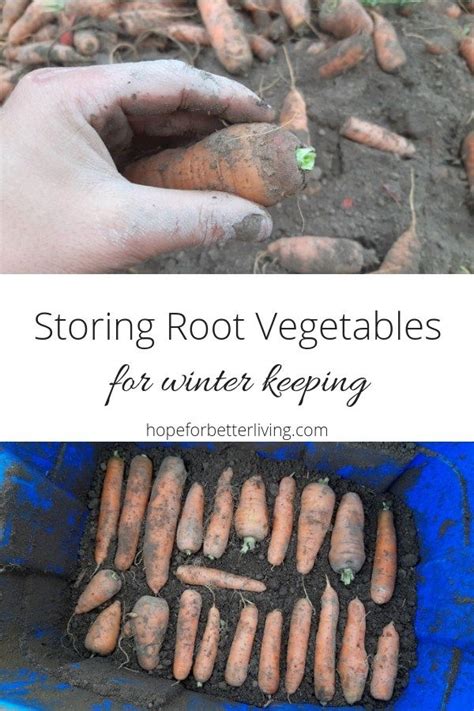
- Storage: Store in bins of damp sand, sawdust, or peat moss. This prevents moisture loss and provides a barrier against spoilage. Ensure good air circulation around bins. Potatoes should be stored in the dark to prevent greening.
Apples and Pears
- Preparation: Harvest when ripe but firm. Inspect carefully for bruises or imperfections; a single bad apple can spoil the bunch.
- Storage: Wrap each fruit individually in newspaper or tissue paper to prevent contact and slow down ethylene gas transfer. Store in shallow crates or boxes, ensuring good air circulation. Apples release ethylene, so store them away from root vegetables like potatoes, which can sprout prematurely in their presence.
Onions and Garlic
- Preparation: Cure them in a warm, dry, well-ventilated area for several weeks until their outer skins are papery dry.
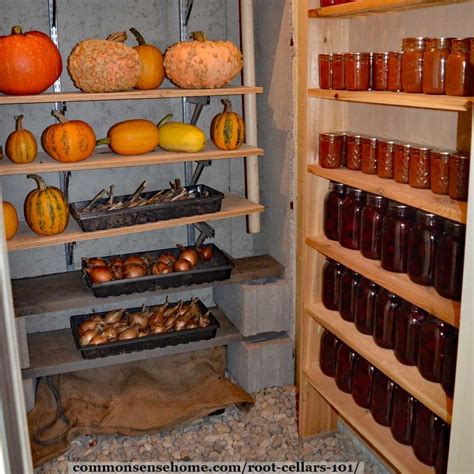
- Storage: Braid them or place them in mesh bags. They prefer cooler, drier conditions (50-60°F or 10-15°C with lower humidity) than most other root cellar crops. Good ventilation is critical to prevent mold.
Winter Squash and Pumpkins
- Preparation: Cure in a warm, sunny spot for 10-14 days after harvest to harden their skins.
- Storage: Store on shelves in a single layer, ensuring they don’t touch. They also prefer slightly warmer (50-60°F or 10-15°C) and drier conditions with good air circulation.

Beyond the Basics: Advanced Tips for Root Cellar Success
- Regular Inspection: Check your stored produce weekly. Remove any items showing signs of spoilage immediately to prevent it from spreading.
- Pest Control: Ensure your root cellar is sealed against rodents and insects. Wire mesh on vents and a tight-fitting door are essential.
- Labeling: Clearly label bins or shelves with the date of storage and contents to help track inventory and rotation.
- Utilize Shelving and Bins: Maximize space and airflow by using slatted shelves, wooden crates, or plastic bins designed for storage.
- Monitoring Tools: Invest in a reliable thermometer and hygrometer to continuously monitor temperature and humidity levels. This allows you to make adjustments as needed.

Conclusion: Embracing a Sustainable Storage Solution
Harnessing natural methods for long-term food storage in a root cellar is a rewarding practice that connects us to sustainable living principles. By meticulously managing temperature, humidity, and ventilation, and applying specific preparation techniques, you can enjoy a bounty of fresh, homegrown produce throughout the colder months. A well-stocked root cellar is more than just a storage space; it’s a testament to resilience, self-sufficiency, and a deeper connection to the land and its harvests.