


Best natural methods for preserving surplus garden tomatoes without canning?

As summer draws to a close, many gardeners find themselves with an abundance of ripe, juicy tomatoes. While canning is a traditional preservation method, it’s not the only way to safeguard your harvest. For those seeking simpler, less equipment-intensive, or simply different approaches, several natural methods allow you to enjoy your garden’s bounty all year long without ever touching a canning jar.
Freezing Tomatoes: The Easiest Method
Freezing is arguably the simplest and most straightforward way to preserve tomatoes. It requires minimal effort and no special equipment beyond freezer-safe bags or containers. This method is excellent for maintaining the fresh flavor of tomatoes, making them perfect for future sauces, soups, and stews.
Whole Frozen Tomatoes
- Preparation: Wash ripe tomatoes and pat them dry. For smaller varieties like cherry or grape tomatoes, you can freeze them whole. For larger varieties, you might score an ‘X’ on the bottom for easier peeling later.
- Process: Place tomatoes on a baking sheet in a single layer to freeze individually. Once solid, transfer them to freezer bags or containers, removing as much air as possible.
- Usage: When ready to use, simply run them under warm water, and the skins will slip right off. They’ll be soft once thawed, ideal for cooking.
Chopped or Puréed Tomatoes
If you know you’ll be using your tomatoes for sauces or cooking, freezing them already chopped or puréed can save significant time later. Blanch and peel the tomatoes, then chop them or blend them into a smooth purée. Portion into freezer bags, ice cube trays (for smaller portions), or rigid containers, leaving headspace for expansion. Frozen tomato purée or chopped tomatoes are incredibly versatile for recipes.

Drying Tomatoes: Concentrated Flavor
Drying tomatoes concentrates their sugars and flavors, resulting in intensely savory and chewy morsels perfect for salads, pasta dishes, and charcuterie boards. You can achieve this using the sun, an oven, or a food dehydrator.
Sun-Dried Tomatoes (Traditional Method)
This method requires several days of hot, dry, sunny weather (at least 85°F / 30°C with low humidity). Wash and slice tomatoes (roma or paste varieties work best) about 1/4 inch thick. Remove seeds if desired. Arrange slices on screens or racks, ensuring good airflow. Cover with cheesecloth to protect from insects. Flip daily until leathery and pliable, not brittle. Store in airtight containers or olive oil.
Oven or Dehydrator Drying
For more control or less ideal weather, an oven or dehydrator is reliable. Slice tomatoes as above.
- Dehydrator: Arrange slices on trays without overlapping. Dehydrate at 135-145°F (57-63°C) for 8-12 hours, or until leathery.
- Oven: Arrange slices on parchment-lined baking sheets. Bake at the lowest possible temperature (usually 175-200°F / 80-95°C) with the oven door slightly ajar to allow moisture to escape. This can take 6-12 hours, depending on thickness and oven.

Making and Freezing Tomato Sauces or Paste
Transforming your surplus into ready-to-use sauces or concentrated paste is another excellent, natural preservation method. This allows you to season your tomatoes to your liking before storage, saving even more time later.
Simple Tomato Sauce
Cook down your fresh tomatoes with herbs, garlic, and onions if desired, until thickened. Allow to cool completely, then portion into freezer-safe containers or bags. Freeze flat for easy stacking. This homemade sauce will elevate any weeknight meal.
Concentrated Tomato Paste
For a highly concentrated product, simmer your tomato purée for several hours until it reduces significantly into a thick, brick-red paste. Spread it thinly on a baking sheet and dehydrate further if needed, or portion into small containers (e.g., ice cube trays) and freeze. These small blocks of paste are fantastic for adding deep tomato flavor to dishes.

Tips for Success
- Choose Wisely: Always select ripe, unblemished tomatoes for preservation. The quality of your preserved product depends on the quality of the fresh produce.
- Proper Storage: Ensure all containers are airtight to prevent freezer burn or moisture absorption for dried tomatoes. Label everything with the date.
- Versatility: Don’t be afraid to experiment! Roasting tomatoes before freezing or drying adds another layer of flavor.
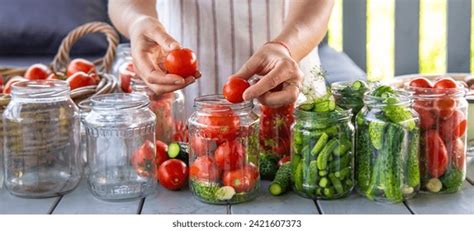
Preserving your garden’s tomato bounty doesn’t have to be a daunting task involving complex canning equipment. With these natural, straightforward methods—freezing, drying, and making sauces—you can enjoy the rich taste of summer tomatoes throughout the colder months, enhancing your home-cooked meals with your very own garden produce.