Best natural methods to combat common garden pests organically?

Embracing Nature’s Solutions for a Pest-Free Garden
Gardening is a deeply rewarding experience, connecting us with nature and providing fresh produce. However, the joy can quickly turn to frustration when common garden pests decide to make a meal out of your hard work. For those committed to country living and organic principles, resorting to harsh chemical pesticides is simply not an option. Fortunately, nature offers a plethora of ingenious methods to keep pests at bay, allowing your garden to flourish naturally.
Understanding Your Garden’s Ecosystem
Before launching into battle, it’s crucial to understand that a truly organic approach views the garden as an ecosystem. Pests are often a symptom of an imbalance. A healthy, diverse garden with rich soil and a variety of plants is inherently more resistant to widespread infestations than a monoculture. Encouraging biodiversity, both above and below ground, is your first line of defense.

Prevention is Key: Building a Resilient Garden
Companion Planting
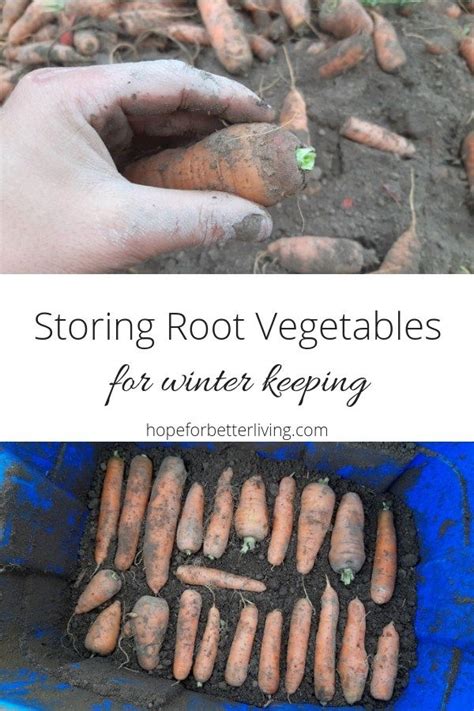
One of the oldest and most effective organic pest control methods is companion planting. Certain plants, when grown together, can deter pests, attract beneficial insects, or even improve the growth of their neighbors. For instance, marigolds are known to repel nematodes and other pests with their strong scent. Nasturtiums can act as a trap crop, luring aphids away from more desirable plants. Basil planted near tomatoes can repel tomato hornworms, while carrots benefit from rosemary’s ability to deter carrot rust flies.
Soil Health Matters
Healthy plants are less susceptible to pest attacks. And healthy plants start with healthy soil. Enriching your soil with compost, aged manure, and other organic matter creates a thriving environment for microorganisms, which in turn make nutrients more available to your plants. Strong, well-nourished plants are better equipped to withstand and recover from pest damage.
Harnessing Nature’s Allies: Beneficial Insects
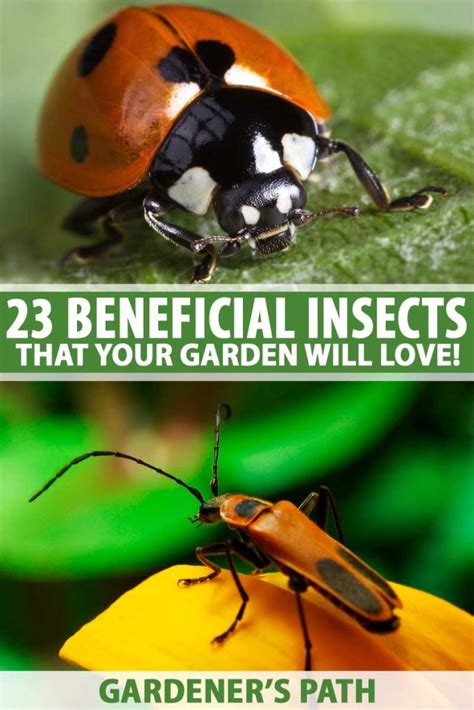
Not all insects are pests; many are vital predators that feast on the very creatures trying to destroy your crops. Ladybugs are famous for their appetite for aphids, while lacewings, hoverflies, and parasitic wasps also play crucial roles in keeping pest populations in check. You can attract these beneficial insects by planting a diverse range of flowers, especially those with small blooms like dill, parsley, and yarrow, which provide nectar and pollen.
DIY Organic Pest Control Remedies
When prevention isn’t quite enough, simple homemade concoctions can offer targeted relief without harming the environment or beneficial creatures.
Neem Oil Spray
Derived from the neem tree, neem oil is a powerful natural insecticide, fungicide, and miticide. It works by disrupting the feeding and reproductive cycles of many pests. Mix it according to package directions with water and a small amount of mild soap (as an emulsifier) and spray thoroughly on affected plants.
Soapy Water Solution
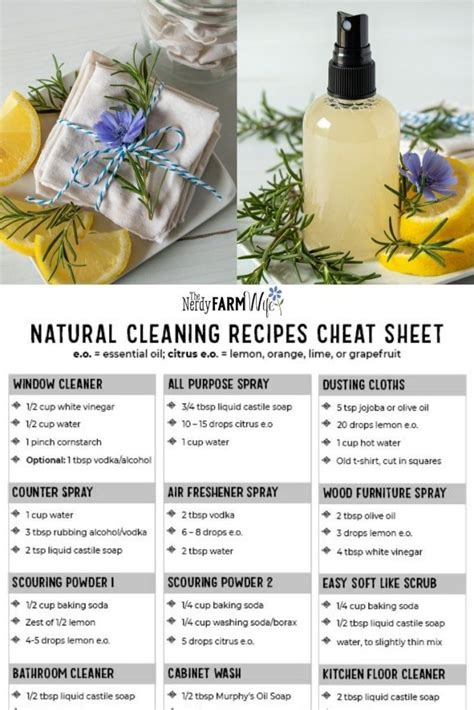
A simple solution of mild liquid soap (like Castile soap) and water can be remarkably effective against soft-bodied insects such as aphids, spider mites, and whiteflies. The soap dissolves their protective outer layer, causing dehydration. Mix 1-2 tablespoons of soap per gallon of water and spray directly on pests, making sure to hit the undersides of leaves.
Garlic and Chili Spray
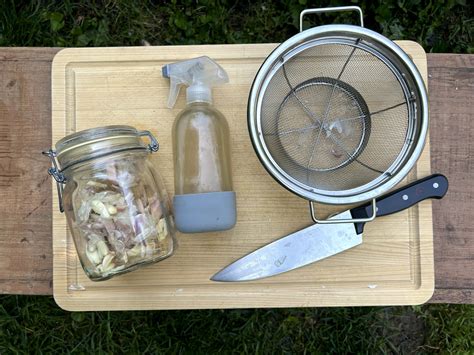
The potent aromas and compounds in garlic and chili can deter a wide range of pests. Blend several cloves of garlic and a few hot peppers with water, let it steep, strain, and then dilute with more water and a squirt of soap. This creates a powerful, repellant spray.
Physical Barriers and Traps
Sometimes, the simplest solutions are the best. Physical barriers and traps can prevent pests from reaching your plants.
Row Covers
Lightweight row covers, often made of fine mesh fabric, can be draped over plants or supported by hoops to create a physical barrier against flying insects like cabbage moths, squash bugs, and cucumber beetles. Ensure they are secured to the ground to prevent pests from crawling underneath.
Hand-Picking Pests
For larger pests like slugs, snails, hornworms, and potato beetles, good old-fashioned hand-picking can be incredibly effective. Make it a routine part of your garden inspection, especially in the early morning or evening. Drop collected pests into a bucket of soapy water.
Sticky Traps and Beer Traps
Yellow sticky traps can catch flying pests like whiteflies and fungus gnats. For slugs and snails, shallow dishes of beer sunk into the soil near affected plants can act as an irresistible trap.

Regular Monitoring and Patience
Organic pest control is an ongoing process that requires observation and patience. Regularly inspect your plants for early signs of pest activity. The earlier you spot an issue, the easier it is to manage with natural methods. Remember, a completely pest-free garden is often an unhealthy one; the goal is balance, not eradication. Embrace the journey of learning about your garden and working with nature, not against it.

By integrating these natural methods into your gardening practices, you’ll not only combat common pests organically but also cultivate a more vibrant, resilient, and healthy garden that truly thrives in harmony with its surroundings.