




Best natural methods to deter garden pests from edible plants?

Embrace Eco-Friendly Pest Control for Your Edible Garden
Gardening is a rewarding hobby, but few things are as frustrating as discovering your prized edible plants under attack from hungry pests. While chemical pesticides offer a quick fix, they pose risks to your family’s health, beneficial insects, and the environment. Fortunately, a wealth of natural, DIY methods can effectively deter pests, allowing you to enjoy a bountiful, chemical-free harvest.

The Power of Companion Planting
One of the oldest and most effective natural pest control strategies is companion planting. Certain plants, when grown together, can repel pests, attract beneficial insects, or even improve the growth of their neighbors. This symbiotic relationship creates a natural defense system.
For instance, planting marigolds near tomatoes or beans can deter nematodes and other harmful insects with their strong scent. Nasturtiums act as a trap crop, luring aphids away from more valuable plants. Herbs like basil, rosemary, and mint not only enhance the flavor of your meals but also repel various pests, including mosquitoes, flies, and tomato hornworms.
Physical Barriers and Manual Removal
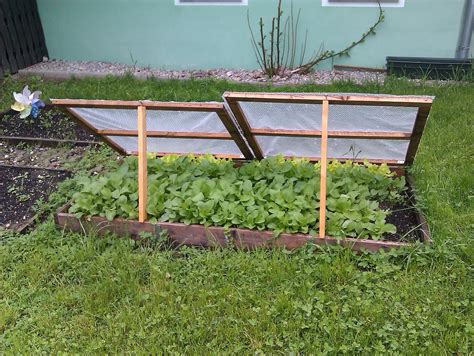
Sometimes the simplest solutions are the best. Physical barriers can prevent pests from reaching your plants in the first place. Fine mesh row covers, for example, can protect young seedlings from flying insects and larger critters like birds or rabbits. Ensure the covers are securely anchored to the ground to prevent access underneath.
For larger pests or when you spot an infestation early, manual removal is highly effective. Hand-picking slugs, snails, and larger caterpillars (like hornworms) can significantly reduce their population. Drop them into a bucket of soapy water. A strong spray from your garden hose can dislodge aphids and spider mites from leaves.
Homemade Sprays and Solutions
If physical barriers aren’t enough, consider crafting your own non-toxic sprays. A simple insecticidal soap spray, made from a few drops of mild liquid dish soap mixed with water, can be effective against soft-bodied insects like aphids, mealybugs, and spider mites. Remember to test on a small area first to ensure it doesn’t harm the plant.
Garlic and chili pepper sprays are also potent deterrents. The strong odors and capsaicin irritate pests. Neem oil, derived from the neem tree, is a natural insecticide and fungicide that disrupts pest feeding and reproduction cycles without harming beneficial insects. Always follow dilution instructions for neem oil.

Diatomaceous earth (DE), a fine powder made from fossilized diatoms, works by scratching the exoskeletons of crawling insects, causing them to dehydrate. Sprinkle food-grade DE around the base of plants or directly onto affected leaves to control slugs, snails, and various crawling insects. Avoid applying when plants are wet or when beneficial insects are active.
Attracting Beneficial Insects
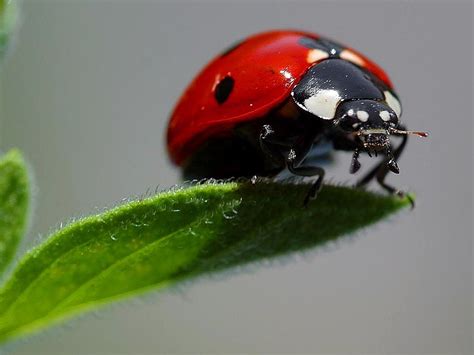
Not all insects are foes; many are your garden’s best allies. Ladybugs, lacewings, and predatory wasps feast on common garden pests. Create a welcoming environment for these beneficial insects by planting flowering herbs and native plants that provide nectar and pollen. Dill, fennel, cilantro, cosmos, and sunflowers are excellent choices.
Avoid broad-spectrum pesticides that could harm these helpful allies. By fostering a diverse ecosystem, you build a natural pest control army right in your backyard.
Good Garden Hygiene and Crop Rotation
Preventative measures are key to minimizing pest problems. Regularly inspect your plants for early signs of trouble and promptly remove any diseased or heavily infested foliage to prevent spread. Keep your garden beds free of weeds and debris, which can harbor pests and their eggs.
Practicing crop rotation is another vital strategy. Planting the same crop in the same spot year after year can lead to a buildup of specific pests and diseases in the soil. By rotating crops, you break pest cycles and reduce their populations. For instance, if you grew tomatoes in one bed this year, plant beans or leafy greens there next year.

Cultivating a Resilient Edible Garden
Embracing natural pest deterrence methods is a sustainable and rewarding approach to gardening. It might require a bit more observation and proactive effort than simply spraying chemicals, but the payoff is a healthier garden, safer food, and a thriving ecosystem. By combining companion planting, physical barriers, homemade solutions, beneficial insects, and good hygiene, you can cultivate a resilient edible garden that flourishes naturally.