Best natural methods to deter squash bugs in a country garden?

Embracing Natural Defenses Against Squash Bugs
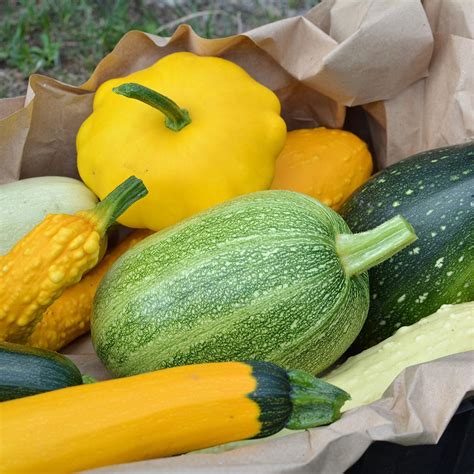
For country gardeners, the dream of a bountiful harvest of squash, pumpkins, and zucchini can quickly turn into a nightmare when squash bugs arrive. These sap-sucking pests can devastate plants, leaving them wilted, stunted, and unproductive. While chemical solutions exist, many rural gardeners prefer to maintain a healthy, chemical-free ecosystem. The good news is that numerous natural and organic strategies can effectively deter these persistent invaders.
Understanding Your Enemy: The Squash Bug
Before implementing deterrents, it’s crucial to know your adversary. Squash bugs (Anasa tristis) are flat, grayish-brown insects about 5/8 inch long when mature. They lay distinctive clusters of oval, bronze-colored eggs, usually on the undersides of leaves. Nymphs hatch and are light green with black legs, gradually darkening as they mature. Both nymphs and adults feed by piercing plant tissue and sucking out vital sap, leading to yellowing leaves, wilting, and ultimately, plant death. Early detection is key to successful management.
Cultural Practices for Prevention and Deterrence
Prevention is often the best medicine in the garden. Implementing smart cultural practices can make your squash patch less appealing to these pests.
- Crop Rotation: Avoid planting squash in the same spot year after year. Squash bugs can overwinter in garden debris, so rotating crops away from previously infested areas reduces their immediate access to food sources.
- Garden Hygiene: Keep your garden beds tidy. Remove old plant debris, fallen leaves, and weeds, as these provide excellent hiding and overwintering spots for squash bugs. A clean garden reduces places for them to hide and lay eggs.
- Companion Planting: Some plants naturally deter squash bugs. Try planting nasturtiums, radishes, marigolds, or mint near your squash plants. While not a foolproof solution, the strong scents or chemical compounds from these companions can confuse or repel pests.
- Resistant Varieties: If available, choose squash varieties known for their resistance or tolerance to squash bugs. While no variety is completely immune, some may fare better than others.

Physical Barriers and Manual Removal
Sometimes, getting hands-on is the most effective natural method, especially in smaller garden settings.
- Row Covers: Install floating row covers over your young squash plants immediately after planting. These fine mesh barriers prevent adult squash bugs from landing on plants to feed and lay eggs. Ensure the edges are securely weighed down or buried to prevent access. Remove covers when plants begin to flower to allow for pollination.
- Hand-Picking: Regularly inspect your squash plants, especially the undersides of leaves. Manually pick off adult squash bugs and nymphs and drop them into a bucket of soapy water. Crush egg clusters or scrape them off leaves with duct tape or a stiff brush. Do this daily in the early morning or late evening when the bugs are less active.
- Mulching: While mulch can offer benefits, heavy mulching with organic materials can sometimes provide hiding spots for squash bugs. Consider using a reflective mulch which can deter some pests, or ensure your mulch layer isn’t excessively thick right around the plant base.

Natural Sprays and Deterrents
When physical methods aren’t enough, some natural sprays can help manage infestations.
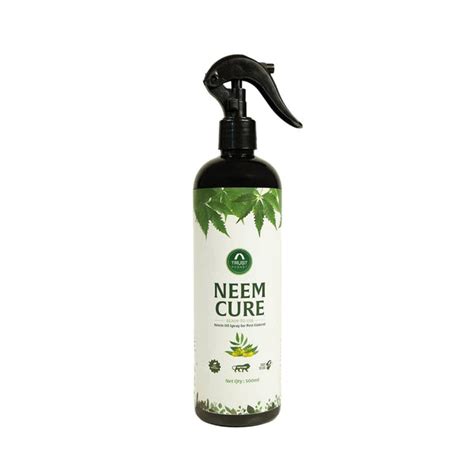
- Neem Oil: Derived from the neem tree, neem oil acts as an antifeedant, repellent, and growth disruptor for many insects, including squash bugs. Mix according to package directions and spray thoroughly, focusing on leaf undersides, in the early morning or late evening.
- Insecticidal Soap: A simple insecticidal soap spray can be effective against nymphs, but less so against adults. Mix a few tablespoons of mild liquid dish soap (avoid harsh detergents) with a gallon of water and spray directly onto the bugs, ensuring good coverage. The soap suffocates the insects.
- Diatomaceous Earth (DE): Food-grade diatomaceous earth is a fine powder made from fossilized diatoms. It’s abrasive to insects, cutting their exoskeletons and causing dehydration. Sprinkle it lightly on leaves when dry, especially around the base of plants. Reapply after rain. Be mindful that DE can also harm beneficial insects if applied indiscriminately.
Encouraging Beneficial Insects
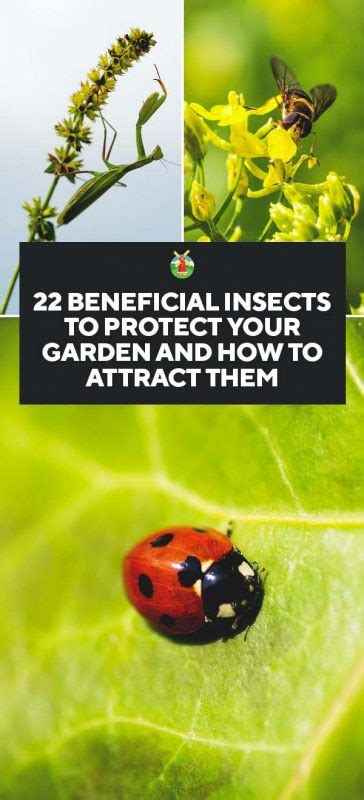
A healthy garden ecosystem includes natural predators that can help keep pest populations in check.
- Tachinid Flies: These beneficial flies are natural enemies of squash bugs. They lay their eggs directly on the squash bugs, and their larvae then parasitize the host. Plant dill, parsley, and other umbelliferous flowers to attract tachinid flies and other helpful predators.
- Parasitic Wasps: Certain tiny parasitic wasps target squash bug eggs. Create a diverse garden habitat with a variety of flowering plants to attract and support these beneficial insects.
By integrating a combination of these natural methods, country gardeners can significantly reduce squash bug damage, ensuring a healthier and more productive harvest without compromising the natural balance of their beloved garden. Patience and consistency are key to successfully managing these common garden pests.