

Best natural methods to preserve summer garden bounty without canning?

Embracing the Bounty: Canning-Free Preservation for Your Garden
As summer peaks, so too does the yield from our gardens. Tomatoes ripen, beans burst, and herbs flourish, presenting a delightful challenge: how to enjoy this fresh bounty all year long without resorting to the time-intensive and often intimidating process of canning? Fortunately, nature offers a wealth of simple, traditional, and highly effective methods to preserve your harvest, keeping those homegrown flavors alive through colder months. These techniques are not only practical but also connect us more deeply with our food and the seasons.
1. Dehydration: The Ancient Art of Drying
Drying is one of the oldest and simplest forms of food preservation, effectively removing moisture to inhibit spoilage. It’s excellent for herbs, fruits, and many vegetables.
- Herbs: Tie herb bundles and hang them upside down in a warm, dry, well-ventilated area away from direct sunlight. Alternatively, use a dehydrator or a very low oven setting. Once crisp, crumble and store in airtight containers.
- Fruits: Thinly slice apples, pears, peaches, or berries and spread them on dehydrator trays or baking sheets. Dehydrate until leathery and pliable.
- Vegetables: Tomatoes, bell peppers, zucchini, and kale can all be dried. Blanch tougher vegetables like carrots or green beans before drying for best results.
2. Freezing: Locking in Freshness
Freezing is perhaps the easiest way to preserve the closest thing to fresh produce. Most fruits and vegetables freeze beautifully, retaining much of their flavor and nutritional value.
- Berries: Simply wash, dry thoroughly, and spread in a single layer on a baking sheet. Freeze until solid, then transfer to freezer bags or containers. This prevents them from clumping together.
- Vegetables: Many vegetables (like green beans, peas, corn, broccoli, and cauliflower) benefit from blanching (briefly boiling, then plunging into ice water) before freezing. This stops enzyme action that can degrade flavor and texture. After blanching, pat dry, spread on a baking sheet to flash freeze, then bag.
- Herbs: Chop fresh herbs and mix with a little water or olive oil in ice cube trays. Once frozen, transfer the herb cubes to freezer bags.
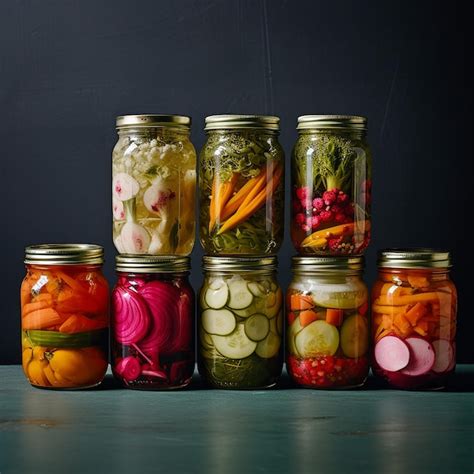
3. Fermentation: Probiotic Powerhouses
Fermentation is a transformative process that not only preserves food but also enhances its flavor and boosts its nutritional profile with beneficial probiotics. It’s surprisingly simple to get started with basic ferments.
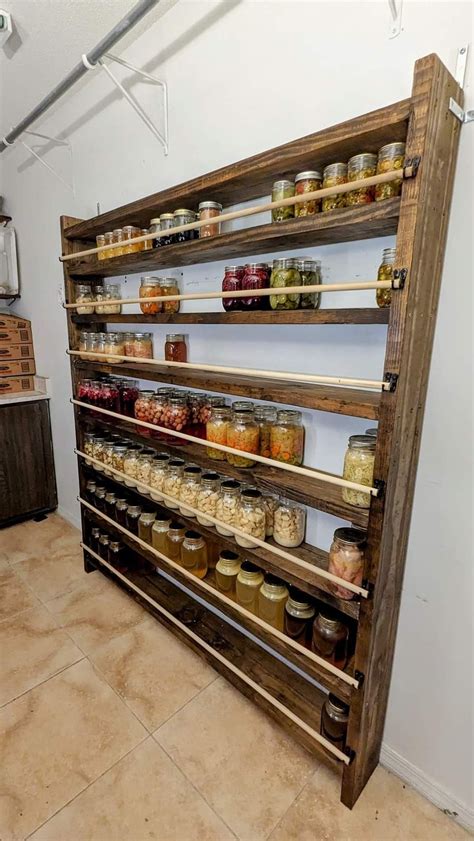
- Sauerkraut & Kimchi: Cabbage is the star here. Shred it, massage with salt, pack tightly into a jar, and submerge under its own brine (or added salt water) using a weight. Let it sit at room temperature for several days to weeks.
- Lacto-Fermented Pickles: Cucumbers, green beans, carrots, and other vegetables can be brined in a saltwater solution with spices. The beneficial bacteria convert sugars into lactic acid, preserving the vegetables and giving them a tangy flavor.
4. Root Cellaring and Cool Storage: Nature’s Refrigerator
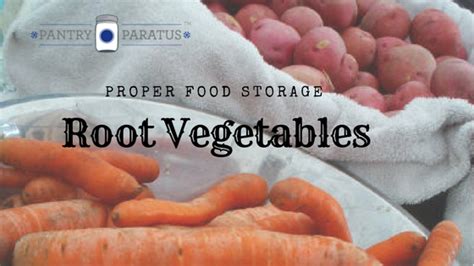
Before refrigeration, root cellars were vital. Even without a dedicated cellar, many root vegetables, squashes, and some fruits can be stored for extended periods in a cool, dark, and humid environment.
- Root Vegetables: Potatoes, carrots, beets, parsnips, and turnips thrive in cool, dark conditions. Store them unwashed in bins of damp sand, sawdust, or peat moss to maintain humidity.
- Winter Squash: Butternut, acorn, spaghetti, and other winter squashes prefer a cool, dry place (50-60°F / 10-15°C) with good air circulation. Don’t wash them until ready to use.
- Apples: Store firm, unblemished apples in a cool, dark place, ideally wrapped individually in newspaper to prevent spoilage from spreading.
5. Oil and Vinegar Infusions: Flavorful Preserves
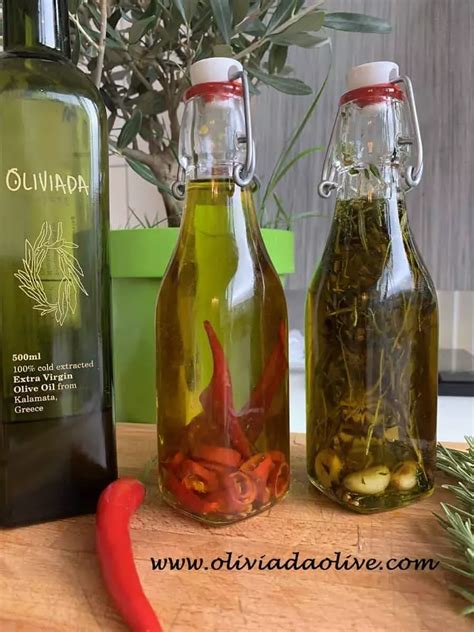
While not for long-term preservation of the produce itself, infusing oils and vinegars captures the essence of your garden’s herbs and chilies, creating flavorful condiments that last for months.
- Herbal Vinegars: Pack clean, dry herbs (like rosemary, thyme, oregano, basil) into sterilized bottles and cover with warm vinegar (apple cider or white wine). Let steep for 2-4 weeks, then strain and bottle.
- Infused Oils: Garlic, chili, and woody herbs like rosemary can be infused into olive oil. Ensure all ingredients are completely dry to prevent botulism risk. For safety, homemade infused oils should be refrigerated and used within 1-2 weeks, or consider pasteurization methods for longer storage.
Beyond Canning: A Sustainable Approach
These natural preservation methods offer fantastic alternatives to traditional canning, allowing you to extend your garden’s generosity throughout the year. They are often less energy-intensive, require less specialized equipment, and can even enhance the nutritional value and flavor of your food. Experiment with different techniques, find what works best for your harvest and lifestyle, and enjoy the taste of your summer garden, one delicious bite at a time.