
Best natural pest control for a beginner’s organic vegetable garden?

Starting Your Organic Garden Pest-Free
Embarking on the journey of organic vegetable gardening is incredibly rewarding, but it often comes with the inevitable challenge of garden pests. For beginners, the thought of an infestation can be daunting. Thankfully, maintaining a healthy, vibrant garden doesn’t require harsh chemicals. Natural pest control methods are not only effective but also align perfectly with organic principles, promoting a balanced ecosystem right in your backyard. Let’s explore the best beginner-friendly strategies to keep your green space thriving.
Build a Strong Foundation: Prevention is Key
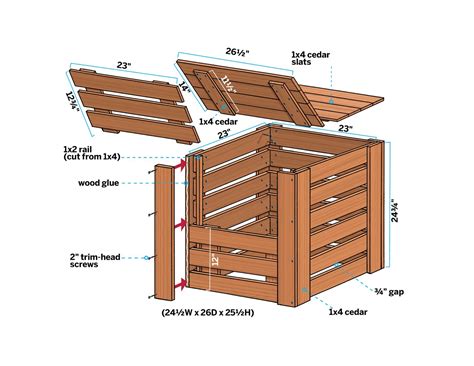
A robust garden starts with prevention. Just like humans, healthy plants are more resilient to disease and pests. Focus on enriching your soil with compost and organic matter, ensuring good drainage and proper pH. Choose plant varieties known to be disease and pest-resistant, and always select plants suited to your local climate and sun exposure. Stress-free plants are less attractive targets for hungry insects.
Embrace Physical Barriers and Manual Removal
One of the simplest and most direct ways to protect your plants is through physical barriers. Lightweight floating row covers can shield young seedlings from a wide range of flying insects and larger critters like birds or rabbits, while still allowing light and water to penetrate. For larger pests like slugs and snails, consider simple beer traps or barriers made of copper tape or crushed eggshells. And don’t underestimate the power of your own two hands – hand-picking larger pests like tomato hornworms or squash bugs early in the morning or late evening can be incredibly effective.

Invite Nature’s Allies: Beneficial Insects
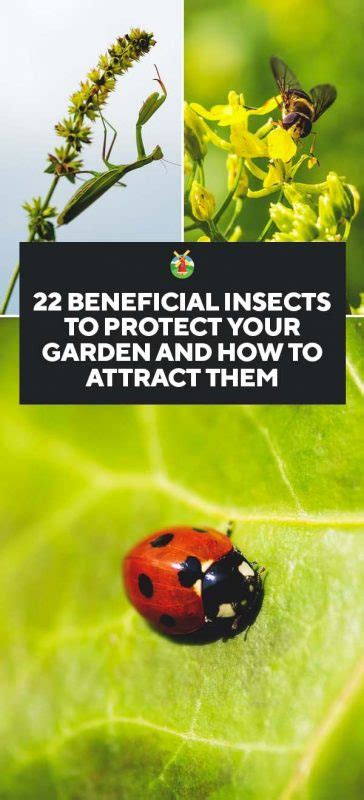
Not all insects are foes! Many are powerful allies in your fight against pests. Ladybugs devour aphids, lacewing larvae feast on various soft-bodied insects, and certain predatory wasps parasitize caterpillars. You can actively invite these beneficial insects to your garden by planting a diverse range of flowers, especially those with small, open blooms like dill, cilantro, sweet alyssum, marigolds, and coneflowers. Providing a water source can also make your garden more welcoming.
The Power of Companion Planting
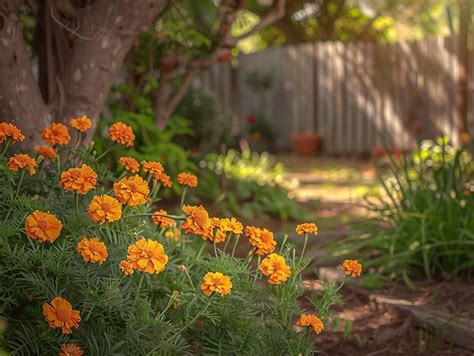
Companion planting is an ancient practice that leverages the natural properties of different plants to benefit each other. Some plants repel pests, others attract beneficial insects, and some even improve soil health for their neighbors. For instance, marigolds are well-known for deterring nematodes and other soil pests. Nasturtiums can act as a trap crop, drawing aphids away from more valuable vegetables. Planting garlic or onions near carrots can help deter carrot rust flies. Research specific companion planting combinations for the vegetables you plan to grow.
Simple DIY Sprays for Direct Intervention
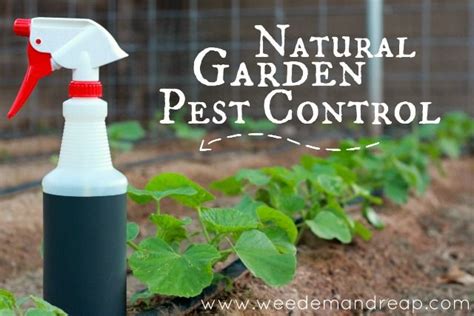
Sometimes, despite your best preventative efforts, a pest outbreak occurs. Before reaching for harsh chemicals, consider effective DIY organic sprays.
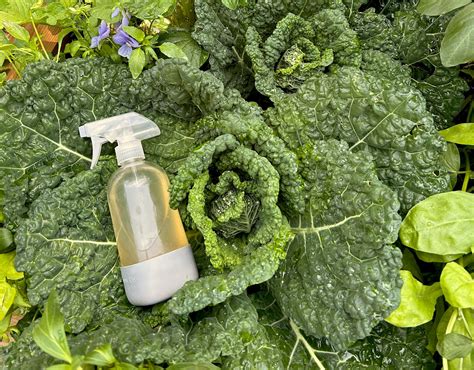
- Neem Oil: Derived from the neem tree, this oil disrupts insect feeding and growth cycles. Mix according to package directions and spray on affected plants, especially undersides of leaves, usually in the evening to avoid harming beneficial insects.
- Insecticidal Soap: A simple solution of mild liquid soap and water can suffocate soft-bodied pests like aphids, spider mites, and whiteflies. Use about 1-2 tablespoons of soap per gallon of water. Test on a small area first.
- Garlic/Chili Spray: A pungent concoction made from blended garlic cloves or chili peppers steeped in water can deter a variety of pests with its strong odor and taste. Strain and spray as needed.
Always remember to apply sprays in the late evening or early morning to minimize stress on plants and to protect beneficial insects that are typically active during the day.
Conclusion
Natural pest control for a beginner’s organic vegetable garden is all about observation, patience, and working with nature, not against it. By implementing these simple, environmentally friendly strategies – from building healthy soil and inviting beneficial insects to using physical barriers and occasional organic sprays – you can enjoy a bountiful harvest while fostering a thriving, balanced ecosystem in your backyard. Happy gardening!