
Best natural pest control for a diverse home garden to ensure a good harvest for canning?

Cultivating a Pest-Resistant Garden for Your Canning Pantry
For country living enthusiasts, a diverse home garden isn’t just a hobby; it’s a vital source of fresh produce, especially when it comes to canning. Ensuring a robust harvest free from unsightly pest damage is paramount for successful preservation. While chemical pesticides might offer quick fixes, they can compromise the health of your soil, plants, and ultimately, the food you consume. Embracing natural pest control methods creates a resilient ecosystem that thrives, providing an abundant and safe yield perfect for filling your pantry shelves.

Building a Resilient Garden Ecosystem
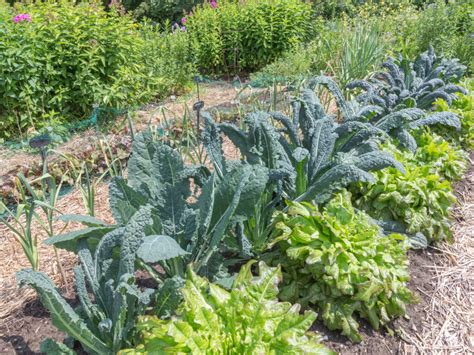
The foundation of natural pest control lies in prevention. A healthy garden is inherently more resistant to pests. Start with rich, organic soil that supports strong plant growth. Good air circulation through proper plant spacing helps deter fungal diseases and makes it harder for pests to spread. Diversity is key; planting a variety of vegetables, herbs, and flowers mimics natural ecosystems, confusing pests and attracting their natural predators.
Your Allies in the Garden: Beneficials & Companions
One of the most effective natural pest control strategies is working with nature. Companion planting involves strategically placing different plants near each other to deter pests or attract beneficial insects. Marigolds, for example, are known to repel nematodes and other harmful insects, while nasturtiums can act as a ‘trap crop,’ drawing aphids away from more valuable plants. Herbs like basil, mint, and rosemary also have pest-repelling qualities.
Attracting beneficial insects is another cornerstone of a healthy garden. Ladybugs feast on aphids, lacewings consume a variety of soft-bodied insects, and predatory wasps parasitize caterpillars. You can encourage these garden heroes by planting flowers rich in nectar and pollen, such as dill, cilantro, sweet alyssum, and cosmos, which provide food and habitat for adult beneficials.

Hands-On & Homemade Solutions
Sometimes, a more direct approach is needed. Regular garden patrols allow you to catch pest infestations early. Hand-picking larger pests like tomato hornworms or slugs is a satisfying and chemical-free method. Drop them into a bucket of soapy water for disposal. For smaller pests, a strong blast of water from a hose can dislodge aphids and spider mites.
Physical barriers can also be invaluable. Row covers made of fine mesh protect young plants from flying insects like cabbage moths and cucumber beetles, especially during vulnerable stages. Fencing can deter larger critters like rabbits and deer from feasting on your produce before you get a chance to harvest.

When infestations persist, homemade sprays offer a gentle alternative to harsh chemicals. A simple soap solution (a few drops of mild dish soap in a spray bottle of water) can smother soft-bodied insects. Neem oil, derived from the neem tree, disrupts insect feeding and growth cycles, and garlic or hot pepper sprays can act as repellents. Always test any homemade spray on a small section of a plant first to ensure it doesn’t cause damage, and apply in the evening to avoid burning foliage in the sun.
Garden Hygiene & Crop Rotation
Maintaining a clean garden environment significantly reduces pest and disease pressure. Promptly remove any diseased or heavily infested plants to prevent problems from spreading. Clear away fallen leaves, fruit, and weeds, which can harbor pests or disease spores. Proper watering, at the base of plants rather than overhead, minimizes fungal issues.
Crop rotation is essential for long-term pest management. Planting the same crop in the same spot year after year can lead to a build-up of specific pests and diseases in the soil. By rotating crops annually, you break pest cycles and give your soil a chance to recover. For example, follow a heavy feeder like corn with a legume that enriches the soil, or move solanaceous crops (tomatoes, peppers, eggplant) to a new bed each season.
Ensuring a Canning-Ready Harvest
Natural pest control not only keeps your garden healthy but directly contributes to a better harvest for canning. Produce free of holes, spots, and blemishes from pests is higher quality, safer, and more appealing for preservation. By implementing these integrated, natural strategies, you’ll cultivate a vibrant garden that yields abundant, unblemished fruits and vegetables, ready to be transformed into delicious, home-canned goodness for your family to enjoy all year long.