
Best natural pest control for a small homestead veggie garden?

For small homesteaders, nurturing a thriving vegetable garden without resorting to harsh chemicals is often a core value. Natural pest control isn’t just about battling unwelcome visitors; it’s about creating a balanced, resilient ecosystem where your veggies can flourish. This guide explores the best eco-friendly strategies to protect your harvest, ensuring your garden remains a healthy, productive haven.
Embracing a Holistic Approach
Natural pest management is fundamentally different from conventional methods. Instead of eradicating every perceived threat, it focuses on prevention, promoting biodiversity, and understanding the delicate balance of your garden environment. This approach minimizes harm to beneficial insects, pollinators, and ultimately, your family’s health.
Success lies in proactive measures and a keen eye. By understanding the life cycles of common pests and their natural predators, you can intervene effectively and sustainably, turning your garden into a self-regulating system.
The Power of Prevention: Building a Resilient Garden
1. Companion Planting
One of the oldest and most effective natural pest control techniques is companion planting. Certain plants, when grown together, can deter pests, attract beneficial insects, or even improve the growth of their neighbors. For example, marigolds are known to repel nematodes and other soil pests, while nasturtiums can act as a trap crop, drawing aphids away from your prized vegetables.

2. Attracting Beneficial Insects
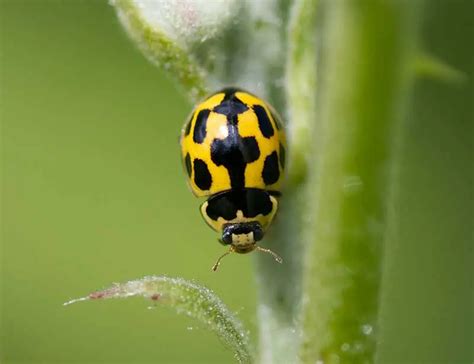
Not all insects are foes; many are your garden’s best allies! Ladybugs, lacewings, parasitic wasps, and hoverflies are voracious predators of aphids, spider mites, and other soft-bodied pests. To encourage these helpful creatures, plant a variety of flowering herbs and flowers like dill, fennel, cilantro, cosmos, and sweet alyssum. Providing water sources and undisturbed areas also helps.
Creating a diverse habitat with plants that offer nectar, pollen, and shelter will turn your garden into a welcoming home for these natural pest controllers, allowing them to do the hard work for you.
3. Physical Barriers and Traps
Sometimes, the simplest solutions are the best. Physical barriers can prevent pests from reaching your plants in the first place. Row covers made of fine mesh netting can protect young seedlings from flea beetles, cabbage worms, and squash bugs. Hand-picking larger pests like tomato hornworms or slugs is also an effective, albeit hands-on, method. Beer traps can lure and drown slugs, while sticky traps can monitor and reduce populations of flying insects.
Garden Hygiene and Crop Rotation
Maintaining a clean garden goes a long way in preventing pest infestations. Remove diseased leaves, fallen fruit, and weeds that can harbor pests or diseases. Proper crop rotation—planting different crops in different areas each season—breaks pest and disease cycles that are specific to certain plant families. This simple practice denies pests a consistent food source and helps maintain soil health.
DIY Natural Pest Sprays
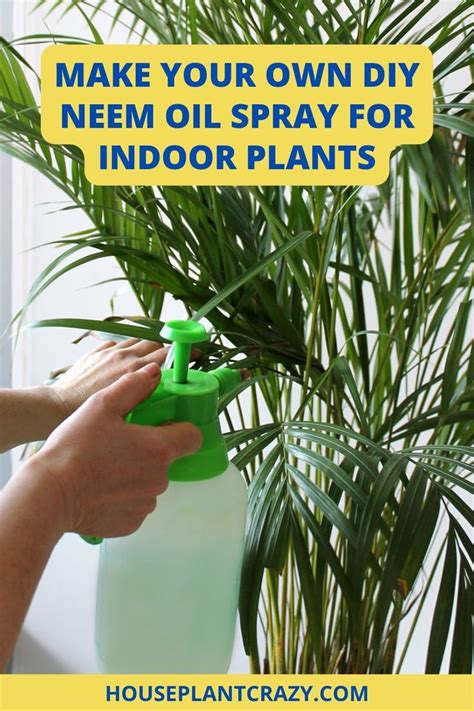
For localized outbreaks, homemade sprays can provide a natural solution. Neem oil, derived from the neem tree, acts as an insect growth regulator and repellent for a wide range of pests. Insecticidal soap sprays can smother soft-bodied insects without harming most beneficial insects once dry. Garlic or chili pepper sprays can also deter pests with their strong odors and irritating properties. Always test any homemade spray on a small part of a plant first to ensure it doesn’t cause damage.
Observation is Key
Regularly inspecting your plants is crucial. Early detection of pests allows for targeted intervention before an infestation gets out of hand. Look under leaves, examine stems, and check for any signs of damage or unusual activity. The sooner you identify a problem, the easier it is to address it naturally.
Conclusion: A Thriving, Chemical-Free Garden
Creating a naturally pest-resistant homestead veggie garden is an ongoing journey of learning and observation. By combining companion planting, attracting beneficial insects, utilizing physical barriers, practicing good garden hygiene, and employing DIY remedies, you can cultivate a vibrant, productive space free from harmful chemicals. Embrace these sustainable practices, and enjoy the bounty of your healthy, chemical-free harvest.