

Best natural pest control for organic vegetable gardens?

Embracing Nature’s Solutions for a Pest-Free Garden
Cultivating a thriving organic vegetable garden is a rewarding endeavor, connecting us with nature and providing fresh, healthy produce. However, the joy of gardening often comes with the challenge of managing unwelcome pests. For organic growers, chemical pesticides are not an option, making natural pest control not just a preference, but a necessity. Fortunately, Mother Nature offers a rich toolkit of strategies to keep your garden robust and productive without synthetic interventions.
Understanding Your Garden’s Ecosystem
The first step in effective natural pest control is to view your garden as a living ecosystem. A healthy garden starts with healthy soil, rich in organic matter and beneficial microorganisms. Robust plants grown in fertile soil are naturally more resistant to pests and diseases. Regular observation is key; identify pests early and understand their life cycles to choose the most appropriate intervention.
Proactive Prevention Strategies
Companion Planting
One of the most charming and effective natural pest control methods is companion planting. Certain plants, when grown together, can deter pests or attract beneficial insects. For example, marigolds are known to repel nematodes and other harmful insects, while basil can deter flies and mosquitoes, protecting nearby tomatoes. Nasturtiums act as a trap crop, luring aphids away from more valuable plants.
Crop Rotation
Rotating your crops annually prevents pests specific to certain plant families from building up in the soil. If you grow tomatoes in the same spot every year, tomato hornworms or blight spores are more likely to overwinter and reappear. By moving crops to different areas, you break the pest cycle and improve soil health.
Physical Barriers
Sometimes, the simplest solutions are the best. Physical barriers can prevent pests from ever reaching your plants. Row covers made of lightweight fabric can protect young seedlings from a wide range of flying insects, slugs, and birds. Ensure the covers are secured to prevent pests from crawling underneath.
Inviting Beneficial Allies
Attracting Good Bugs
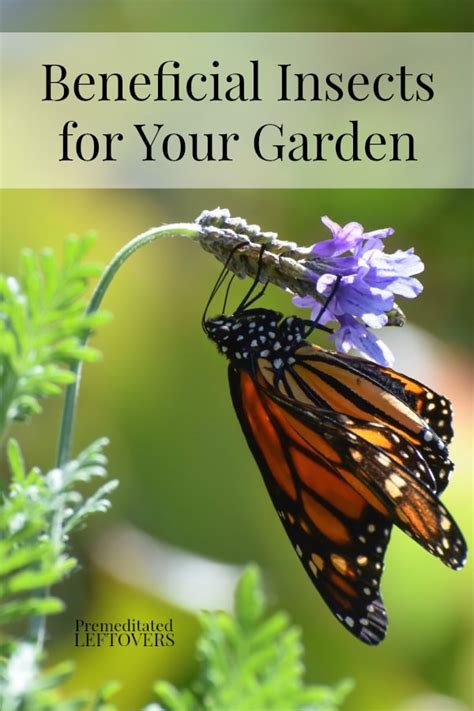
Your garden isn’t just for vegetables; it’s also a habitat. Many insects are allies, not enemies. Ladybugs, lacewings, parasitic wasps, and hoverflies are predatory insects that feast on aphids, mites, and other common garden pests. You can attract these beneficial insects by planting a diverse range of flowering plants, especially those with small, open flowers like dill, fennel, cilantro, cosmos, and sweet alyssum.
Hands-On & Organic Solutions
Manual Removal
For larger pests like slugs, snails, and tomato hornworms, good old-fashioned manual removal can be highly effective. Inspect your plants regularly, especially in the early morning or evening, and pick off pests by hand. Drop them into a bucket of soapy water. This method is labor-intensive but ensures immediate results without any sprays.
DIY Organic Sprays
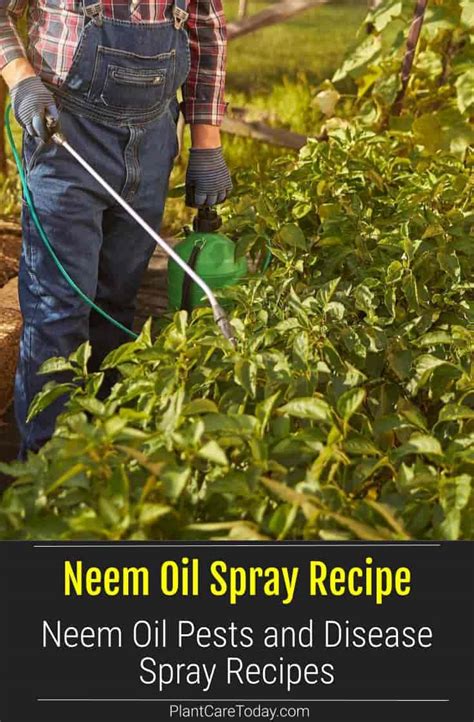
When infestations are more widespread, gentle organic sprays can help. Neem oil, derived from the neem tree, is a natural insecticide, fungicide, and miticide that disrupts pest feeding and growth cycles. Insecticidal soap, a mixture of mild soap and water, smothers soft-bodied insects like aphids and whiteflies. Always test any spray on a small area of the plant first to ensure it doesn’t cause damage, and apply in the cooler parts of the day to avoid leaf burn and protect beneficial insects.
Traps and Lures
Simple traps can also be effective. Yellow sticky traps can catch flying insects like whiteflies and fungus gnats. Beer traps can lure and drown slugs and snails. Pheromone traps target specific pests by mimicking their mating signals, helping to monitor and reduce populations.
Garden Hygiene and Maintenance
A clean garden is a healthy garden. Remove weeds regularly, as they can harbor pests and compete with your vegetables for nutrients. Clear away any diseased or infested plant material promptly to prevent the spread of problems. Proper watering and adequate air circulation also contribute to plant health, making them less susceptible to stress and pest attraction.
Conclusion: A Holistic Approach
The best natural pest control for organic vegetable gardens is not a single solution, but a holistic approach that integrates multiple strategies. By fostering a diverse and healthy ecosystem, practicing preventative measures, inviting beneficial insects, and employing hands-on organic remedies when needed, you can enjoy abundant harvests and a thriving garden. It’s about working with nature, not against it, to create a sustainable and productive growing space that truly reflects the spirit of country living.