
Best natural soil amendments for a productive homestead vegetable patch?

For any homesteader, a productive vegetable patch is a cornerstone of self-sufficiency. The secret to lush greens, bountiful root vegetables, and juicy fruits lies not just in planting the right seeds, but fundamentally in nurturing the soil. Healthy soil is a living ecosystem, teeming with microbes that make nutrients available to plants. Opting for natural amendments enhances this ecosystem, avoiding synthetic chemicals and fostering long-term fertility.
The Foundation: Understanding Your Soil
Before applying any amendment, it’s beneficial to understand your soil’s current condition. A simple soil test can reveal its pH level, nutrient deficiencies, and texture. Armed with this knowledge, you can choose the most effective natural amendments to address specific needs, leading to more targeted and successful improvements.
Top Natural Amendments for Thriving Vegetables
Compost: Black Gold for Your Garden
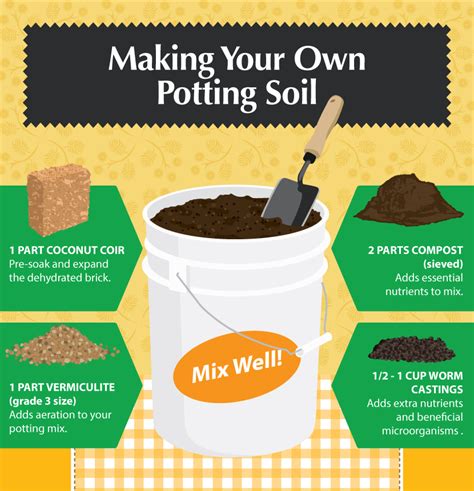
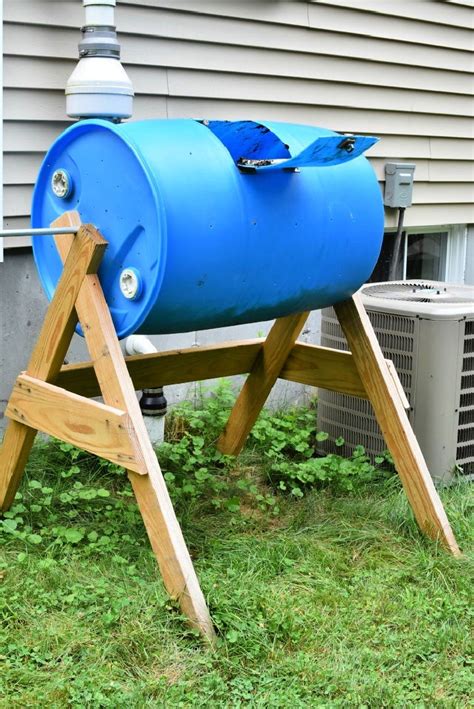
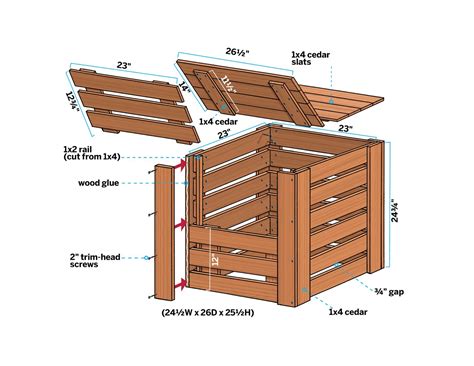
Compost is arguably the most valuable amendment for any garden. Made from decomposed organic matter like kitchen scraps, leaves, and grass clippings, it improves soil structure, water retention, and aeration, while providing a slow release of essential nutrients. Regular application of compost enriches the soil’s microbial life, making nutrients more accessible to plants and suppressing diseases.
Aged Manure: Nutrient Powerhouse
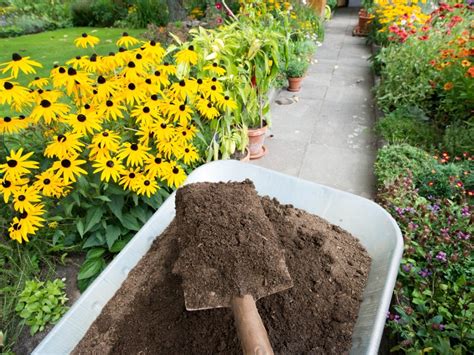
Manure from herbivores like cows, horses, chickens, or rabbits is a fantastic source of nitrogen, phosphorus, and potassium, along with numerous micronutrients. It’s crucial to use aged or composted manure to avoid burning plants with excessive nitrogen and to eliminate potential pathogens or weed seeds. Fresh manure should be composted for several months before being incorporated into the garden.
Cover Crops: Green Mulch and Soil Builders
Cover crops, such as clover, vetch, rye, or buckwheat, are plants grown specifically to benefit the soil rather than for harvest. They protect bare soil from erosion, suppress weeds, add organic matter when tilled in (green manure), and some, like legumes, fix atmospheric nitrogen into the soil. Planting cover crops in off-seasons is an excellent long-term strategy for building soil health.

Worm Castings: Concentrated Goodness
Often referred to as “vermicompost,” worm castings are the nutrient-rich excrement of earthworms. They are a potent, non-burning amendment that improves soil structure, aeration, and water retention, while delivering a highly bioavailable form of nutrients and beneficial microbes. A little goes a long way, making them excellent for boosting seedlings or as a top-dressing.
Bone Meal: Phosphorus for Roots and Blooms
Derived from ground animal bones, bone meal is an excellent natural source of phosphorus, which is vital for strong root development, flowering, and fruiting. It also provides calcium, essential for plant cell wall formation. Bone meal has a slow-release action, making it a reliable amendment for long-term nutrient supply, particularly beneficial for root crops and flowering plants.
Blood Meal: Nitrogen Boost for Leafy Growth
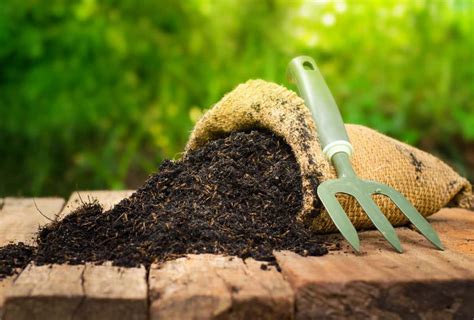
Blood meal, a dried and powdered animal blood product, is a fast-acting, high-nitrogen amendment. It’s ideal for promoting vigorous leafy growth in plants like lettuce, spinach, and brassicas. Due to its potent nature, use blood meal sparingly and avoid direct contact with plant roots. It also acts as a deterrent for some pests.
Rock Dust/Greensand: Micronutrients and Structure
Various forms of rock dust (like glacial rock dust, basalt dust) and greensand offer a broad spectrum of trace minerals and micronutrients that often get depleted over time. Greensand also has a unique ability to improve soil structure in both sandy and clay soils, enhancing water and nutrient retention. These amendments provide slow, steady nutrient release and contribute to overall soil vitality.

Wood Ash: Potassium and pH Adjustment
Hardwood ash from untreated wood can be a good source of potassium and calcium, and it helps raise soil pH. Use it cautiously, as excessive application can make soil too alkaline. It’s best used in small quantities, particularly in acidic soils, and not near acid-loving plants.
Implementing Your Amendment Strategy
Successful soil amendment is an ongoing process. Start with a soil test, then incorporate compost and aged manure annually. Consider cover crops during fallow periods. Use targeted amendments like bone meal and blood meal based on plant needs and growth stages. Regular observation of your plants and soil will guide your strategy, ensuring continuous improvement and robust yields.
By consistently nourishing your soil with these natural amendments, you’ll not only achieve a highly productive vegetable patch but also build a resilient, sustainable homestead ecosystem for years to come.