


Best natural ways to improve clay soil for a productive country garden?

Conquering Clay: Transforming Challenging Soil into a Garden Oasis
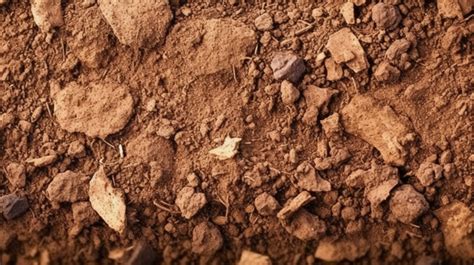
Clay soil, often characterized by its dense, sticky nature when wet and hard, brick-like consistency when dry, presents a unique set of challenges for any gardener. While it’s rich in nutrients, its poor drainage and tendency to compact can stifle root growth and lead to waterlogged plants. For those dreaming of a productive country garden, understanding and naturally improving clay soil is the first crucial step towards success.
Understanding Your Clay Soil
Before diving into solutions, it’s helpful to understand why clay soil behaves the way it does. Its tiny, flat particles pack together tightly, reducing pore space for air and water. This leads to slow drainage, waterlogging, and difficulty for roots to penetrate. However, with consistent effort and the right natural approaches, you can transform this seemingly stubborn soil into a highly productive medium.
The Power of Organic Matter: Your Best Ally
The single most effective natural way to improve clay soil is by incorporating abundant organic matter. This acts as a ‘glue’ that binds small clay particles into larger aggregates, creating a more open, crumbly structure. This improves drainage, aeration, and makes the soil easier to work, while also boosting its microbial life and nutrient-holding capacity.
Compost: The Gold Standard
Regularly adding well-rotted compost is paramount. It introduces a diverse range of beneficial microorganisms and slowly releases nutrients. Aim to spread a layer of 2-4 inches over your garden beds annually, working it gently into the top few inches of soil or letting earthworms do the work.
Well-Rotted Manure
If available, well-aged animal manure (from cows, horses, chickens) is another fantastic amendment. Ensure it’s fully decomposed to avoid burning plants with excess nitrogen. Its rich organic content and beneficial biology are excellent for breaking down clay.
Leaf Mold and Other Green Waste
Leaf mold, created from decomposed leaves, significantly improves soil structure and water retention. Shredded leaves, grass clippings (in moderation), and other green wastes can also be incorporated or used as mulch to gradually break down and enhance the soil below.

Embrace Cover Crops and Green Manures
When garden beds are not in active use, planting cover crops (also known as green manures) is an excellent natural strategy. These plants are grown specifically to be tilled back into the soil, adding organic matter, suppressing weeds, and preventing erosion. More importantly for clay soil, their root systems actively work to break up compaction and create channels for air and water.
Good choices for clay soil include clovers, winter rye, buckwheat, and vetch. Plant them in fall or spring, let them grow, and then chop and drop or lightly incorporate them before they go to seed.

Consider Raised Beds for Immediate Results
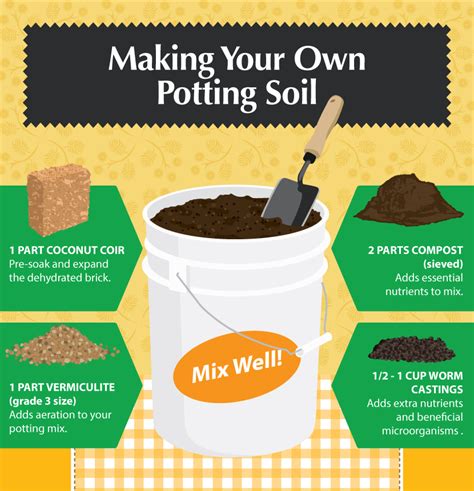
If you’re looking for a quicker fix or have particularly severe clay challenges, building raised beds offers an excellent solution. You can fill them with a custom blend of good quality topsoil, compost, and other amendments, bypassing the native clay entirely for a productive growing environment from day one. Over time, the soil in your raised beds will also help improve the surrounding native soil through drainage and root activity.

Smart Cultivation and Management Techniques
Avoid Compaction
One of the biggest mistakes with clay soil is working it when it’s wet. This severely compacts the soil, destroying any progress made in improving its structure. Wait until the soil is crumbly and no longer sticky. Establish permanent pathways in your garden to avoid walking on planting areas, further minimizing compaction.
Proper Watering and Drainage
While clay soil retains water well, it drains slowly. Water deeply and infrequently, allowing the topsoil to dry out slightly between waterings to encourage roots to grow deeper. Consider incorporating French drains or swales in larger areas if drainage is a persistent problem, though extensive organic matter addition usually mitigates this.
Deep Rooting Plants
Certain plants can actually help break up clay naturally with their robust root systems. Consider planting daikon radishes, comfrey, or tap-rooted vegetables directly into your clay areas. Their roots will penetrate the dense soil, creating channels that improve aeration and drainage when they decompose.

Long-Term Strategies for Lasting Fertility
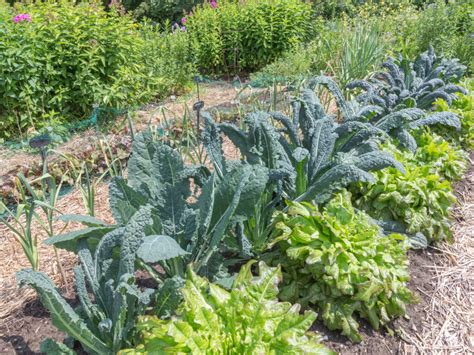
Improving clay soil is not a one-time event but an ongoing process. Continue to add organic matter annually, practice no-till gardening where possible, and mulch your beds consistently. Mulch not only conserves moisture and suppresses weeds but also slowly breaks down, feeding the soil life and further enhancing its structure. With patience and consistent application of these natural methods, your challenging clay soil will transform into a rich, friable, and highly productive foundation for a thriving country garden.